Retinoids, such as tretinoin, are widely used in dermatology to treat acne and photoaging. Let’s find out why dermatologists approved it for long-term skin repair.
Introduction
If you have been searching through skincare blogs, chances are you have read about tretinoin, the one product everyone from dermatologists to skincare enthusiasts can’t stop discussing. Well, when it comes to skincare ingredients, only a few have earned the level of trust and clinical backing that topical tretinoin has for decades. Often called the gold standard of skincare, tretinoin is widely accepted by dermatologists not just for treating acne vulgaris but also for tackling fine lines, pigmentation, and overall skin texture. The topical product is effective for long-term skin repair and rejuvenation. Moreover, consistency leads to visible results over time.
Understanding tretinoin gel
Topical tretinoin is a first-generation vitamin A derivative with well-established effectiveness in acne and photoaging. Health experts also refer to it as a retinoid, which is a common ingredient in prescription-strength acne treatments. Tretinoin gel may also offer additional dermatological benefits, such as improving fine wrinkles and dark spots caused by sun damage. Unlike over-the-counter retinol (retinol-containing products) that promise quick fixes, tretinoin gel works at the cellular level to gradually improve overall skin health, making it a perfect option for managing multiple skin issues.
Retinol is a milder alternative to tretinoin that may benefit individuals with milder skin concerns when used for a prolonged period. Tretinoin gel is less likely to clog pores, making it especially suitable for oily and acne-prone skin. Its lightweight, water-based formula absorbs quickly for results. It may sound counterintuitive, but the retinoid formulation functions by irritating the skin and speeding up the life cycle of skin cells. This causes them to divide and shed more quickly, allowing newer, healthier cells to replace them.
Tretinoin’s response: How does tretinoin respond?
Dermatologists trust tretinoin because it directly targets the skin cells. With age, almost everyone experiences sun damage, and the rate of skin cell turnover slows down. Dead skin cells accumulate on the skin’s surface, leading to blocked pores, dullness, roughness, and fine lines. Tretinoin stimulate the generation of skin cells, which means they grow and divide quickly. This accelerates the removal of dead skin cells and keeps skin pores free of bacteria and other irritants. Also, tretinoin increases collagen production, thereby stimulating skin cell turnover. These effects help reduce fine lines and wrinkles. It is also believed that retinoids, such as tretinoin, block several inflammatory pathways involved in acne, helping clear existing acne and prevent future breakouts.
As mentioned above, by encouraging damaged cells to shed quickly and replacing them with healthier, all-new cells, tretinoin supports continuous skin repair over the long term rather than providing temporary results.
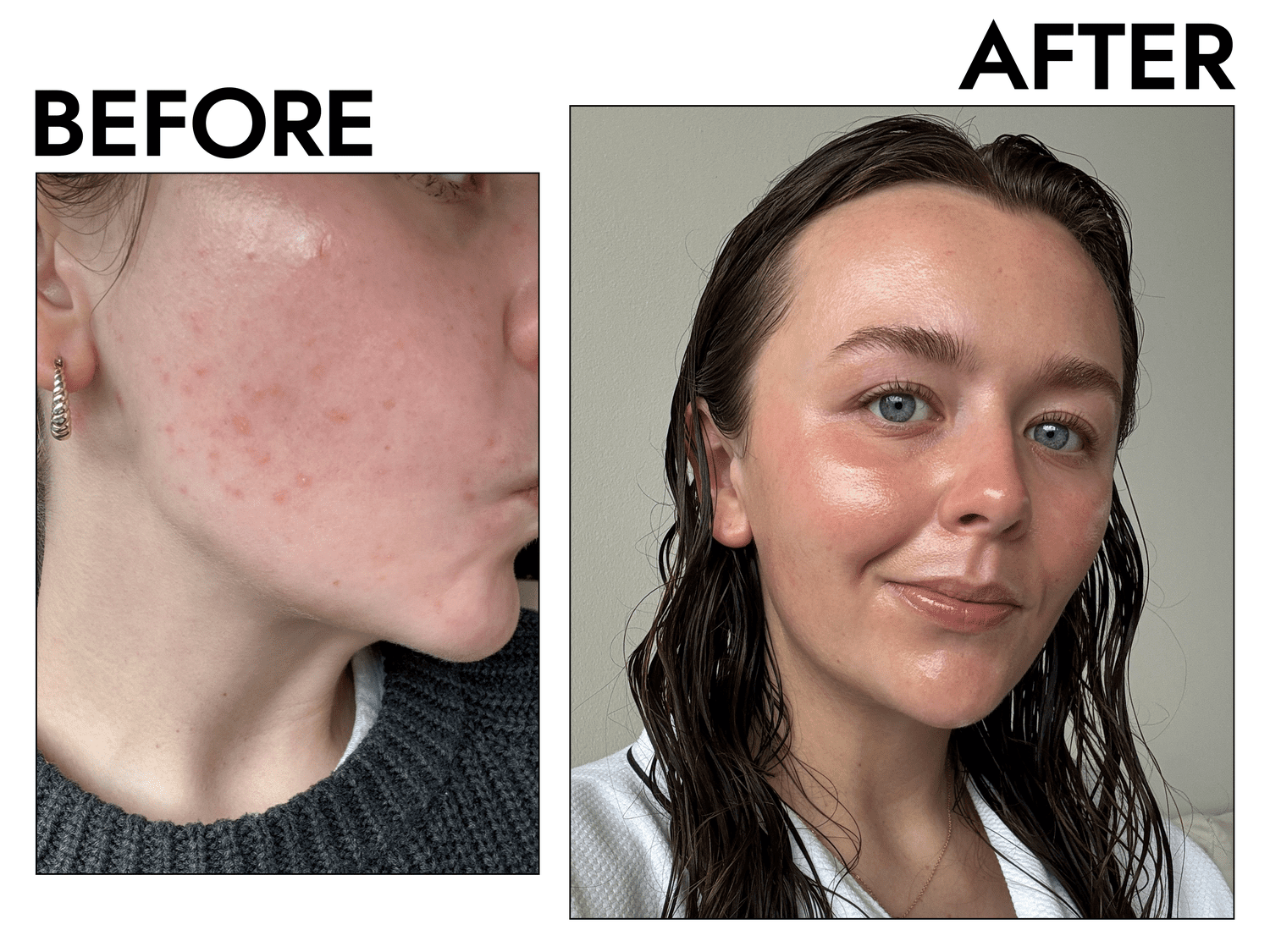
A proven treatment for acne and beyond
One of the major reasons skin care specialists recommend tretinoin gel is its effectiveness in treating multiple skin concerns, including acne, sun-damaged skin, and fine wrinkles. The powerful retinoid shows strong efficacy in addressing it at its root by preventing pore clogging and reducing inflammation. Consistent use may help reduce blackheads and whiteheads, decrease inflammatory lesions, fade acne scars, and improve overall skin texture.
Tretinoin gel for long-term anti-ageing benefits
In addition to its anti-acne properties, applying tretinoin also provides other cosmetic benefits, such as reducing visible signs of ageing. The efficacy of this topical agent in reversing photodamage and improving the skin’s clinical appearance has since been demonstrated in numerous clinical trials. A visible reduction in fine lines, mottled hyperpigmentation, and roughness can be seen as early as 2 weeks after starting topical therapy. These beneficial effects can be sustained with continued use. Long-term treatment for around 2 years with a tretinoin formulation has been shown to increase collagen production, reducing the frequency of application from daily to three times a week, as maintained, further enhancing the reduction of photodamage. Long-term use helps soften fine lines and wrinkles and improve skin firmness and texture. Discontinuing treatment for 6 months, however, reversed the beneficial effects achieved after 48 weeks of treatment. These antiaging effects are not superficial; they show structural improvement within the skin. This is why results continue to improve over time.
Relief in hyperpigmentation
Tretinoin is equally effective in addressing certain pigmentation disorders. By speeding up skin cell turnover, the retinoid formulation fades dark spots, including those left by acne (post-inflammatory hyperpigmentation), as well as uneven skin tone. The topical agent has also been found effective for uneven pigment patches, such as those seen in melasma, a pigmentary disorder. Hormonal disturbances and sun exposure are usually the triggers of melasma. At the same time, retinoids alone may not be sufficient to eliminate melasma and other forms of hyperpigmentation. Generally, a dermatologist may prescribe a skin-lightening agent such as hydroquinone, along with tretinoin and sometimes a steroid cream, to combat melasma from multiple angles.
The role of tretinoin is to exfoliate discoloured skin and allow other topical treatments to penetrate more effectively. With regular use over several months, this can cause significant improvement in hyperpigmented areas, lightened spots, blotchy skin, and a more even skin tone. If anyone is struggling with persistent dark spots or blotchy pigmentation, discuss with the dermatologist whether tretinoin is appropriate as part of yoru treatment regimen.
Managing side effects for long-term success
Like any other pharmaceutical agent, tretinoin can also cause side effects. These may include dry skin peeling and mild irritation. Dermatologists are aware of these unwanted effects of topical retinoid, which is why they always suggest these management strategies while prescribing tretinoin:
- A pea-sized amount of application is always sufficient
- Once the nightly application works
- Pairing treatment with a moisturiser to reduce dryness, and a skin peeling
- Regular application of sunscreen in the morning is a must
These measures will definitely help patients maintain consistency with the formulation, which is essential for long-term skin repair and visible results.
Dermatologists trust tretinoin for its multiple benefits and long-lasting overall skin improvements.