




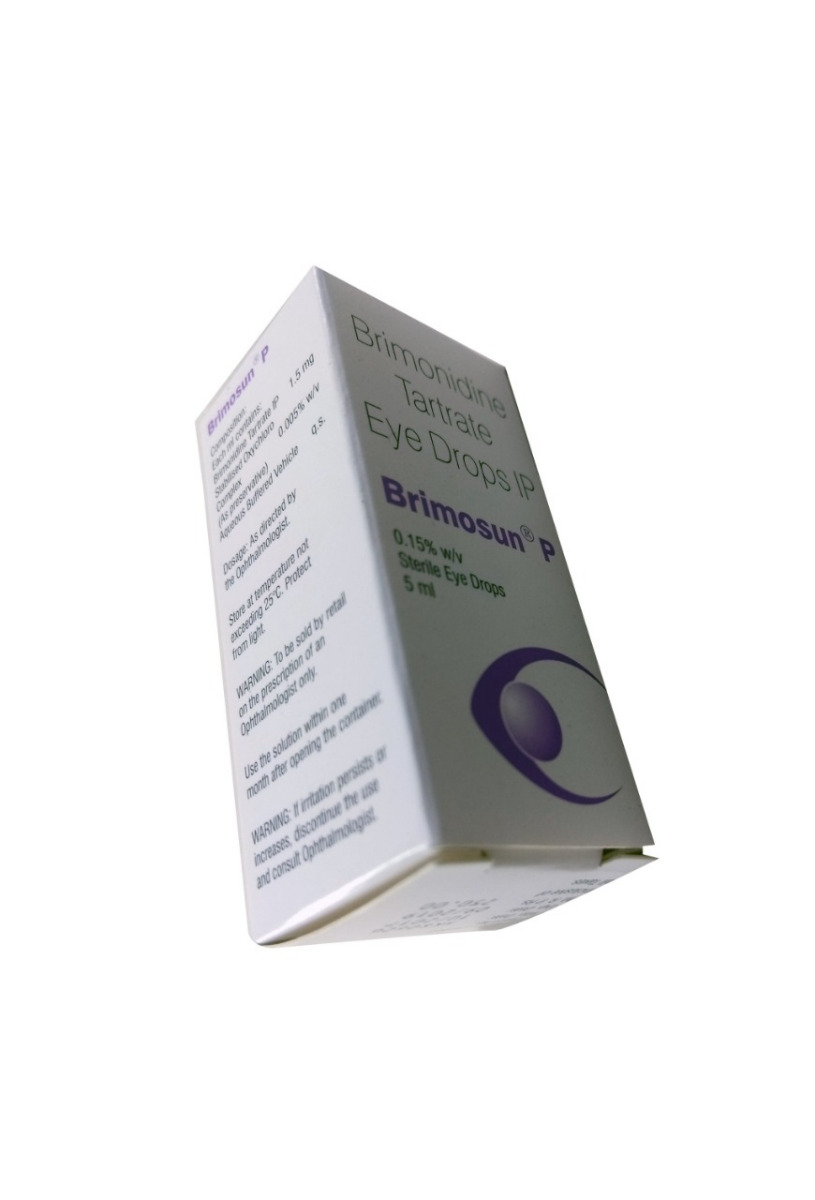
Brimosun P Eye Drop 1.5mg 5ml
| SKU | 1480 |
|---|---|
| Generic For | Alphagan-P |
| Manufacturer | Sun Pharma, India |
| Active Ingredient | Brimonidine |


Out Of Stock

Brimosun P 0.15% (Brimonidine) – Affordable Alphagan-P Alternative
Brimosun P 0.15%
Brimosun P 0.15% is a prescription ophthalmic solution for lowering intraocular pressure (IOP) in patients with open-angle glaucoma or ocular hypertension. It contains the active ingredient Brominidine, which reduces fluid flow into the eye. This causes a significant reduction in the pressure within the eye. The IOP-lowering effects of the eye medication diminish over time in some patients. This loss of effect occurs with a variable onset time in each patient and should be closely monitored.
How to use
The suggested dose is one drop in the affected eye thrice daily after every eight hours. Brimosun P 0.15% may be used concomitantly with other ophthalmic medicine to lower intraocular pressure. If more than one eye medicine is to be used, make sure you instil the other product at least five minutes apart. Avoid touching the tip of the bottle to the eye or any surface, as this may contaminate the eye medicine.
Follow the steps given below to use Brimosun P ophthalmic solution:
- Wash your hands before handling the medicine.
- Pull down the lower eyelid and gently release a drop of medication. If a drop misses, try again.
- Leave the lid and close your eyes for 30 seconds.
- Repeat the steps in the other eye if both eyes need treatment.
Precautions
Brimosun P is contraindicated in neonates and infants who are under the age of two years. It should not be used in patients who are hypersensitive to any of the components of this medicine. The ophthalmic solution should be used with caution in patients with brain disorders, coronary insufficiency, depression, Raynaud’s phenomenon (circulation problems that make fingers and toes numb and pale), orthostatic hypotension, or thromboangitis obliterans (a condition in which blood vessels of the hands and feet become blocked). Use Brimosun P ophthalmic solution with caution in small children.
To help avoid adverse effects and ensure proper use, speak to your ophthalmologist before you use Brimosun. Speak about any health issues, including if you have eye surgery or develop an eye condition due to infection or injury. Brimonidine ophthalmic solution may cause fatigue, drowsiness, or blurred vision. Avoid driving, using heavy machinery, or doing dangerous activities that require complete alertness until these effects resolve.
Possible drug interactions:
- Antihypertensives may lower blood pressure.
- Concomitant use with central nervous system depressants (barbiturates, alcohol, opiates, anaesthetics, or sedatives may cause an additive effect.
- Use of monoamine oxidase inhibitors may result in increased hypotension.
- Concurrent use of tricyclic antidepressants (medicines to treat depression) with Brimosun P can interfere with IOP lowering effect.
Side effects
The most common side effects in patients receiving brimonidine eye drops included ocular hyperemia, headache, stinging and burning, foreign body sensation, drowsiness, ocular allergic reactions, conjunctival follicles, fatigue, and ocular pruritus.
What is Brimonidine and what condition does it treat?
Brimonidine is an alpha-2 adrenergic agonist medication primarily used to lower intraocular pressure in patients with open-angle glaucoma or ocular hypertension. Brimosun P 0.15% contains brimonidine as its active ingredient and works as an eye pressure reducer to help prevent vision loss. This ophthalmic solution is classified as a glaucoma medication that helps protect the optic nerve by decreasing fluid production in the eye and improving drainage. It's particularly effective for patients whose eye pressure isn't adequately controlled with other glaucoma treatments alone.
How does Brimonidine work to lower eye pressure?
Brimonidine works through a dual-action mechanism to reduce intraocular pressure effectively. As an alpha-2 adrenergic receptor agonist, it decreases the production of aqueous humor—the fluid inside your eye—while simultaneously increasing the outflow of this fluid through the uveoscleral pathway. Brimosun P 0.15% eye drops bind to specific receptors in eye tissues, triggering these pressure-lowering effects. This eye pressure medication typically begins working within two hours of application, helping maintain healthy pressure levels throughout the day and protecting your vision from glaucoma-related damage.
How long does Brimosun P 0.15% take to start working?
Brimosun P 0.15% typically begins lowering intraocular pressure within 2 hours after application, with maximum pressure reduction occurring around 3 hours post-dose. This brimonidine eye drop formulation maintains its glaucoma treatment effects for approximately 8 to 12 hours, which is why it's usually prescribed two or three times daily. While you won't feel the medication working, regular eye pressure monitoring by your ophthalmologist will confirm its effectiveness. Most patients experience significant pressure reduction within the first few days of consistent use of this ocular hypertension medication.
When and how should I apply Brimosun P 0.15% eye drops?
Brimosun P 0.15% is typically applied as one drop in the affected eye(s) two or three times daily, approximately 8 to 12 hours apart. Wash your hands before use, tilt your head back, pull down your lower eyelid to create a pocket, and apply the brimonidine drop without touching the dropper to your eye. Close your eye gently for 1-2 minutes and press the inner corner to prevent drainage. If using multiple eye medications, wait at least 5 minutes between applications. Your doctor will determine the exact dosing schedule for your glaucoma treatment needs.
Is Brimosun P 0.15% safe for long-term glaucoma treatment?
Brimosun P 0.15% is generally considered safe for long-term use in managing chronic open-angle glaucoma and ocular hypertension. Clinical studies have demonstrated that brimonidine maintains its pressure-lowering effectiveness over extended periods without significant loss of efficacy. Many patients use this glaucoma eye drop continuously for years as part of their vision preservation strategy. Regular follow-up appointments allow your eye care specialist to monitor treatment response, check for any tolerance issues, and ensure the medication continues providing optimal intraocular pressure control without adverse effects on your ocular health.
Can I use Brimosun P 0.15% with other glaucoma medications?
Brimosun P 0.15% is frequently used alongside other glaucoma treatments like prostaglandin analogs, beta-blockers, or carbonic anhydrase inhibitors for enhanced pressure control. Brimonidine's mechanism as an alpha-agonist complements other eye pressure medications well, making combination therapy effective for difficult-to-control glaucoma. Always inform your healthcare provider about all eye drops and systemic medications you're taking, including blood pressure medicines and antidepressants, as interactions can occur. Space different eye medications at least 5 minutes apart, and discuss any new prescriptions with your ophthalmologist to ensure safe, coordinated ocular hypertension management.
How does Brimosun P 0.15% compare to other alpha-agonist eye drops?
Brimosun P 0.15% offers comparable efficacy to other brimonidine formulations and alpha-2 agonist eye drops like Alphagan in lowering intraocular pressure. At 0.15% concentration, this glaucoma medication provides effective pressure reduction while potentially causing fewer side effects than higher-strength formulations. Compared to alternative alpha-agonists like apraclonidine, brimonidine demonstrates longer-lasting effects with less tachyphylaxis (tolerance development). Many ophthalmologists prefer Brimosun P and similar brimonidine products for their reliable pressure-lowering capability, favorable dosing schedule, and established safety profile in treating open-angle glaucoma and ocular hypertension.
Is generic Brimonidine as effective as branded glaucoma drops?
Generic brimonidine formulations like Brimosun P 0.15% contain the same active ingredient in identical concentrations as branded versions and undergo rigorous testing to ensure bioequivalence. These generic eye pressure medications must demonstrate they deliver the same therapeutic effects, safety profiles, and intraocular pressure reduction as original brand-name products. Many ophthalmologists confidently prescribe generic brimonidine options for glaucoma treatment, as they provide clinically equivalent results at more affordable prices. The active pharmaceutical ingredient works identically regardless of brand name, making generic alternatives a cost-effective choice without compromising your vision protection.
Why do patients choose PremiumRxDrugs for Brimosun P 0.15% purchases?
Patients prefer PremiumRxDrugs for Brimosun P 0.15% because it combines pharmaceutical authenticity with practical convenience. As a licensed pharmacy, we guarantee manufacturer-sourced brimonidine medications at competitive prices, helping patients manage glaucoma treatment costs effectively. Easy prescription management and reorder systems simplify ongoing ocular hypertension care, while discreet packaging ensures privacy. With worldwide shipping including free delivery options to the USA, UK, Australia, Canada, and beyond, patients receive their glaucoma eye drops reliably. Over ten years of service demonstrates PremiumRxDrugs's commitment to quality, making it a dependable source for essential vision-preserving medications like Brimosun P.
What are the common side effects of Brimonidine eye drops?
Common side effects of brimonidine include eye redness, burning or stinging sensation upon application, blurred vision, dry mouth, and eye itching. Some patients experience drowsiness, fatigue, or headaches when using this alpha-agonist glaucoma medication. Allergic conjunctivitis develops in approximately 10-15% of users, sometimes requiring discontinuation. Less common effects include dizziness, dry eyes, and watering. Most side effects are mild and temporary, diminishing as your eyes adjust to the medication. Severe reactions like significant vision changes, eye pain, or allergic symptoms warrant immediate medical attention to ensure your ocular health remains protected.
Who should avoid using Brimonidine for glaucoma treatment?
Brimonidine should be avoided by individuals allergic to the medication or its components, infants and young children under two years due to serious CNS depression risks, and patients taking monoamine oxidase inhibitors (MAOIs). Those with severe cardiovascular disease, depression, cerebral or coronary insufficiency, or orthostatic hypotension should use this alpha-agonist cautiously. Pregnant or breastfeeding women should discuss alternatives with their healthcare provider, as brimonidine's effects aren't fully established in these populations. People with Raynaud's phenomenon or thromboangiitis obliterans may experience worsened circulation. Always disclose your complete medical history before starting any glaucoma medication.
Login
Sign Up
Login
Sign Up