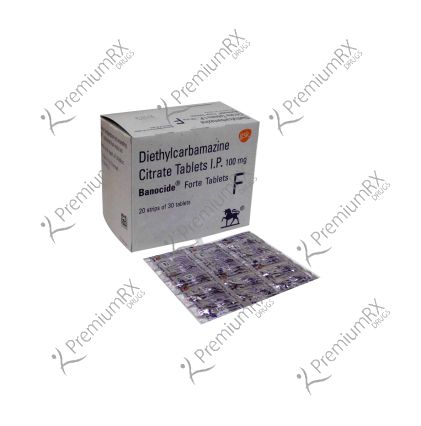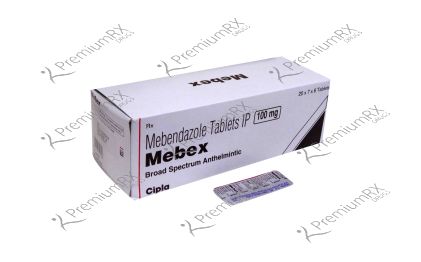
Worms are parasites that enter the body and can live and bolster off the individual they have entered. The most widely recognized worm disease in the UK is threadworms. Medications to treat worms are here and there called anthelmintic. Worms (in some cases called helminths) are parasites that enter the body and can live and bolster off the individual they have entered. There are numerous sorts of worms in humans and they are typically partitioned into three gatherings:
Worms, or helminths, are parasites that live inside the human body and feed off their host. They generally fall into three groups:
Worm infections are most common in warm, tropical, or developing regions where food and water sanitation is limited, and hundreds of millions of people worldwide are infected at any given time. In many higher-income countries, threadworm is the most common worm infection and spreads through close contact with an infected person. Other types of worm infections are less common there and are usually linked to travel to regions where they're widespread.
Worm infections can present with a range of symptoms, including:
Good hygiene and food safety practices reduce the risk of most worm infections:
Diagnosing a worm infection may involve stool sample analysis, blood tests (including eosinophil counts and antibody testing), imaging, or endoscopic procedures depending on the suspected parasite and affected organ system.
Treatment
Treatment depends on the type of parasite involved:
In regions where helminth infections are widespread, the World Health Organization has supported mass deworming programs, particularly among school-age children, who are at higher risk. These programs have been associated with improved school attendance, though their broader health and nutritional benefits are still debated among researchers.
All anthelmintic medications, including ivermectin, are prescription drugs. A healthcare provider should diagnose the specific type of infection and determine the appropriate medication, dose, and treatment length before use.
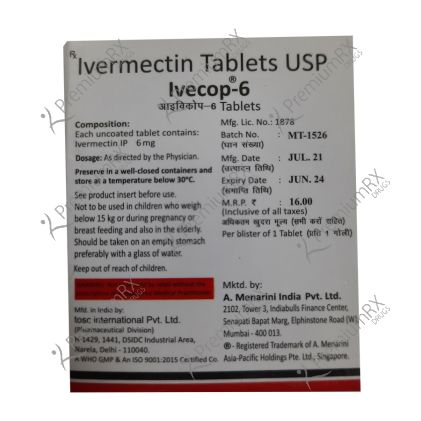
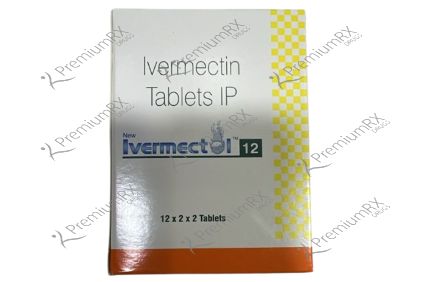
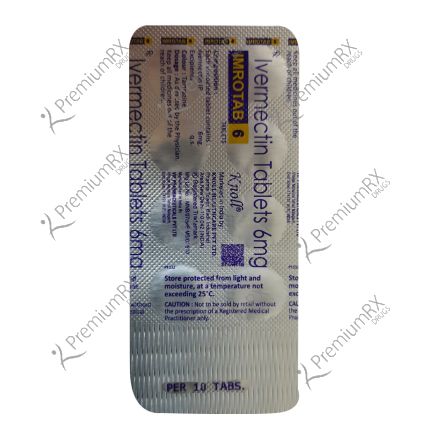
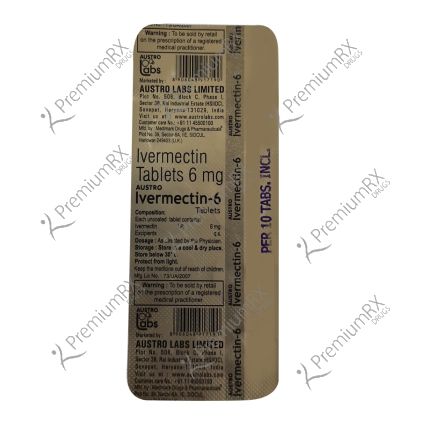
What it is: Ivermectin is an antiparasitic medication belonging to the macrocyclic lactone class. It works by binding to specific channels in a parasite's nerve and muscle cells, causing paralysis and death of the parasite, which the body then clears naturally.
Approved uses: Ivermectin is prescribed for certain parasitic infections, including:
The 6mg strength is commonly used as a building-block dose, since ivermectin is typically dosed based on body weight — a prescriber determines the number of tablets needed for a given patient.
Important safety information:
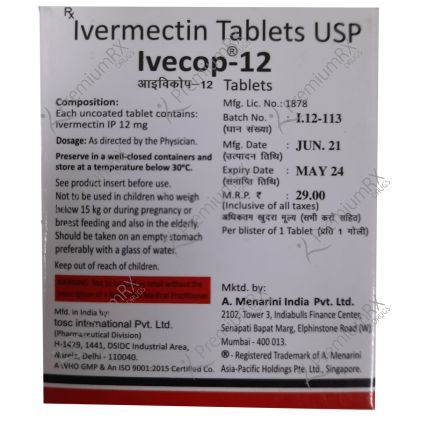
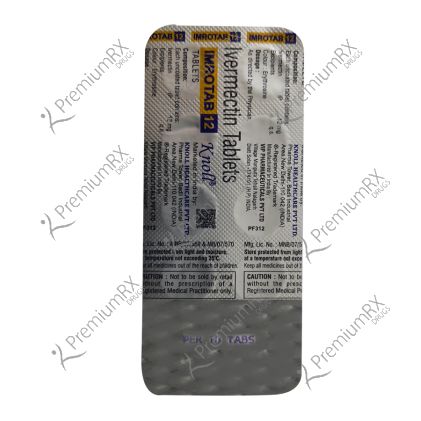
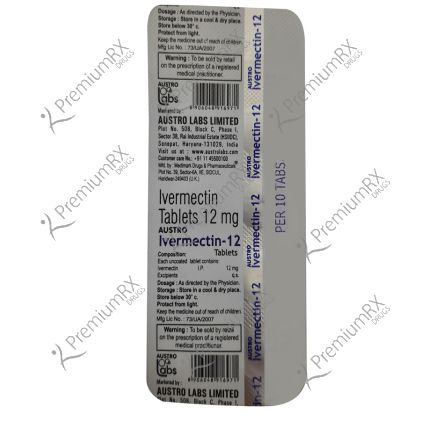
What it is: Same active compound and mechanism as above; the 12mg strength is a higher-dose tablet, generally intended for adult patients where a provider has calculated that dose based on body weight and the condition being treated.
Approved uses: Same indications as the 6mg strength — strongyloidiasis, onchocerciasis, and other helminth infections as determined by a physician.
Important safety information:
Ivermectin isn't prescribed as a single fixed dose for everyone — the right amount depends on several factors that only a healthcare provider can properly assess:
1. Body weight Ivermectin dosing is primarily weight-based. A prescriber calculates the appropriate amount using the patient's current weight, which is why tablet strengths (like 6mg and 12mg) exist — they allow flexible combinations to reach the right total dose for a given person, rather than a one-size-fits-all amount.
2. The specific infection being treated Different parasitic infections may call for different treatment durations or repeat dosing schedules. For example, some conditions respond to a single dose, while others require follow-up doses spaced weeks apart, or multiple courses over time.
3. Individual health factors A provider also considers:
4. Confirmed diagnosis Before dosing is calculated at all, a provider typically confirms the type of parasite involved — often through stool testing, blood work, or other diagnostic methods — since the wrong medication or dose for a given parasite may not be effective and could delay proper treatment.
5. Monitoring For some patients, especially those with additional risk factors, follow-up monitoring is part of the treatment plan to watch for side effects or confirm the infection has cleared.
The bottom line: because dosing depends on this combination of weight, diagnosis, and individual health factors, ivermectin treatment plans are built for each patient individually by a licensed healthcare provider — not selected by the patient from a general chart. This is also why the product pages should route customers toward "consult a doctor / upload a prescription" rather than presenting a dose calculator or self-selected quantity.
Anthelmintic or anti-worm medicines are drugs used to treat infections caused by parasitic worms (helminths). These medications work by either killing the worms or paralyzing them so they can be expelled from the body.
Anthelmintic medicines are used to treat different types of worm infections, including roundworms, tapeworms, and flukes. These parasites can affect the intestines, blood, liver, lungs, and other organs.
These medicines typically act by disrupting the parasite’s metabolism or nervous system, causing paralysis or death. This allows the body to eliminate the worms naturally through bowel movements.
Commonly used anti-worm medications include albendazole, mebendazole, ivermectin, praziquantel, and pyrantel. Each drug targets specific types of parasites and infections.
Symptoms may vary but often include abdominal pain, diarrhea, cough, fever, skin irritation, and in severe cases, nutritional deficiencies or organ-related complications.
The duration of treatment depends on the type and severity of infection. Some infections may require a single dose, while others may need repeated or longer treatment courses.
Most anthelmintic drugs are generally safe when used as prescribed. However, mild side effects such as nausea, dizziness, or abdominal discomfort may occur in some individuals.
Preventive measures include maintaining good hygiene, washing hands regularly, consuming clean food and water, avoiding undercooked meat, and keeping surroundings clean to reduce exposure to parasites
Drugs used to treat infections caused by parasitic worms. They work by killing the worms directly or paralyzing them so the body can expel them naturally
Roundworm, tapeworm, and fluke infections affecting the intestines, blood, liver, lungs, or other organs.
Most disrupt the parasite's metabolism or nervous system, causing paralysis or death, after which the worms are eliminated through bowel movements.
Albendazole, mebendazole, ivermectin, praziquantel, and pyrantel — each targeting specific parasites.
Good hygiene, safe food and water practices, avoiding undercooked meat, and reducing contact with contaminated soil, water, or infected individuals.
Abdominal pain, diarrhea, cough, fever, skin irritation, and in more severe or prolonged cases, nutritional deficiencies or organ complications.
This depends on the infection type and severity — some resolve with a single dose, others need repeated or extended courses under medical supervision.
Generally safe when used as prescribed and monitored by a healthcare provider. Mild side effects like nausea, dizziness, or abdominal discomfort can occur; a doctor should be consulted about individual risk factors before use.