Free Shipping on Orders above US$125, or Apply Premium10 coupon to get 10% discount. Maximum discount US$20.
Free Shipping on Orders above US$125, or Apply Premium10 coupon to get 10% discount. Maximum discount US$20.

Parkinson disease is a term used to describe a progressive nervous system disorder that affects a person’s movement including how a person write and speak. The symptoms of the disease developed gradually and may start with tremors in one hand. Those suffering from the disease experience stiffness and can’t make rapid movement just like they used to do before. The muscle of the person becomes weaker and they may also assume an unusual posture.
Causes of Parkinson disease
The disease is caused due to progressive deterioration or impairment of neurons in the brain area known as substantial nigra. If that area of the brain functions properly, the neurons produce vital brain chemical known as dopamine. Dopamine acts as a chemical messenger and does the job of ensuring proper communication between the substantial nigra and the corpus striatum. This communication helps in balanced and smooth muscle movement. When there is lack of dopamine it results in abnormal nerve functioning. This in turn results in loss in the ability to control body movements.
It is however not clear about the cause of Parkinson's disease. While in small number of population the disease occurs due to genetic abnormalities. In some cases scientist have suggested internal or external toxins may destroy dopaminergic neurons resulting in the disease. Some of the toxins that may be linked to the disease include carbon disulfide, carbon monoxide, manganese and some other pesticides as well. Oxidative stress is known to be another cause of Parkinson's disease. Though rare, atherosclerosis and stroke can cause symptoms that are similar to Parkinson's disease.
There are certain drugs which when intake can cause symptoms that resemble Parkinson's disease. Drugs such as antipsychotics used to treat severe paranoia and schizophrenia, MPTP, a synthetic heroin contaminant and so on are such drugs which can cause such symptoms.
Signs and Symptoms
Some of the common sign and symptoms that may indicate that you are suffering from Parkinson's disease are:
Preventive measures
As the cause of the disease is unknown, ways to prevent the disease also remain a mystery. However, as per some research undertaken caffeine which is mostly found in tea, coffee, cola and the likes may reduce the risk of developing the disease. Green tea may also reduce the risk of developing the disease. Regular aerobic exercise may also be done so as to reduce the risk of Parkinson's disease.
Myths and facts:
Myths: Parkinson disease only causes movement related symptoms such as stiffness, tremor and slowness.
Fact: There are many symptoms of Parkinson disease that are not related to movement. Nonmotor symptoms such as impaired sense of smell, constipation, sleep disorder, bladder symptoms, cognitive symptoms, sexual dysfunction, pain, fatigue, tingling, depression, anxiety are common in case of Parkinson disease.
Myth: You can blame Parkinson disease for everything
Fact: There are certain symptoms which should not be attributed to Parkinson disease. Fever is not an example of Parkinson disease. Similarly vision loss, headache, vertigo, loss of muscle strength, loss of sensation are not symptoms of Parkinson disease.
Myth: If someone with Parkinson disease looks good they feel good too.
Fact: The symptoms associated with Parkinson disease may vary. Even when a patient with the disease looks good, they may not be feeling so because of nonmotor symptoms.
Diagnosis of disease
There is no test that can be conducted to confirm that the person is suffering from Parkinson's disease. However symptoms and response to treatment can be used to guide diagnosis. The symptoms may vary from person to person. But they tend to get worse overtime. Doctors specialized in nervous system conditions generally diagnose such disease based on medical history, review of symptoms and sigs and a neurological and physical examination.
Doctors may take the step of conducting certain blood tests to rule out other conditions that may be causing the symptoms. Imaging tests such as ultrasound of the brain, MRI, PET scans, SPECT may be used to rule out other disorders. However, such tests are not very helpful for diagnosing the disease.
Sometimes doctors may also resort to giving antiparkinsonian medication for a certain period of time. If after taking the dose for the certain period your condition improves significantly, it leads to the conclusion that you are suffering from the disease and need further treatment. Antiparkinson agents are prescribed to replace dopamine and halt or treat the symptoms such as tremor, hypokinesia and so on.
Often it takes lot of time to diagnose Parkinson's disease. During that period doctors may suggest regular appointments with neurologists trained in movement disorders so as to evaluate symptoms and conditions.
Treatment of Parkinson's disease
Parkinson's disease is not curable but medicines can keep the symptoms under control. In some cases surgery may also be required. Doctor may also recommend some lifestyle changes such as indulging in activities. Physical therapy that focuses in stretching and balancing is of great help sometimes. In case of speech problem, speech-language pathologist may be able to help you in many ways.
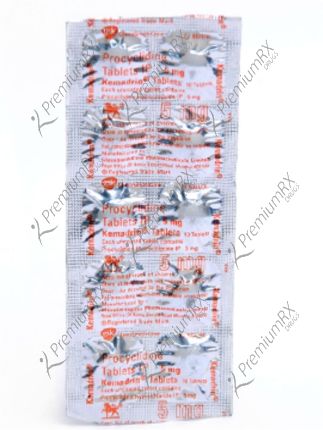
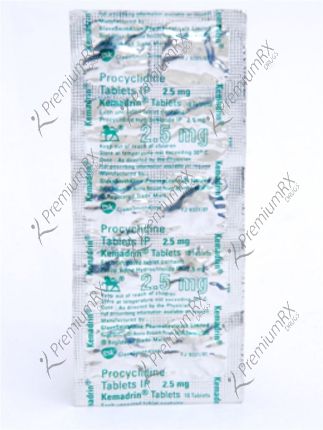
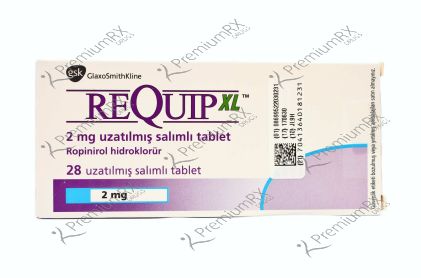
Here is the antiparkinson drugs list which may be prescribed by the doctor for treating the disease:
Steps to improve the health
Some of the action plans that can be implemented to improve the health while suffering from Parkinson’s disease are discussed below.
Important things to know
Some of the most important things to know about Parkinson's disease are:
Treatment includes levodopa (most effective), dopamine agonists (pramipexole, ropinirole), MAO-B inhibitors (rasagiline, selegiline), COMT inhibitors, and anticholinergics for specific symptoms.
Levodopa converts to dopamine in the brain, replenishing the depleted dopamine that causes Parkinson's symptoms. It is usually combined with carbidopa to prevent peripheral side effects.
Common side effects include nausea, dizziness, involuntary movements (dyskinesias), impulse control disorders (with dopamine agonists), and low blood pressure upon standing.
Current Parkinson's medications control symptoms but do not stop disease progression. Research into neuroprotective and disease-modifying therapies is ongoing.
PremiumRxDrugs offers genuine antiparkinsonian medications at significantly reduced prices. Shop with a valid prescription and benefit from our worldwide shipping service.
Levodopa can cause nausea (take with food), dyskinesia (involuntary movements) with long-term use, and postural hypotension. Dopamine agonists (pramipexole, ropinirole) can cause impulse control disorders and excessive daytime sleepiness. All Parkinson's medications require gradual dose adjustment.
High-protein meals (meat, dairy, legumes) compete with levodopa for absorption across the gut and blood-brain barrier. Take levodopa 30–45 minutes before meals or with a low-protein snack. Consistent meal timing throughout the day helps maintain stable drug levels and motor control.
Yes. PremiumRxDrugs stocks a full range of anti-Parkinsonian medications, including levodopa/carbidopa, pramipexole, and rasagiline at discounted prices. Order online with confidence and benefit from worldwide delivery at PremiumRxDrugs.