A viral infection is a disease that can be caused by various kinds of virus. Such infection can take place in different parts of the body. While some viruses can be found in the intestine there are other viruses that can be found in airways and lungs.
It is difficult to treat viral infection as the viruses live inside the body cells. Antibiotics are not used to treat viral infection as it does not work for such infections. It needs to be treated with the help of several antiviral drugs available. Virus causes infectious diseases such as flu, common cold and warts. They can also cause serious illness such as small pox, HIV/AIDS and hemorrhagic fevers.
Causes of Viral infection
Viruses are often compared with hijackers. They invade normal, living cells and then they use those cells to produce and multiply other viruses like themselves. This ultimately leads to killing of the cell and result in making you feel sick
Signs and Symptoms
The sign and symptoms commonly associated with viral infection are:
Preventive measures
Preventing viral infections such as flu or cold is very important older as it may result in some serious health issues such as dehydration or pneumonia. Some of the preventive measures include:
Myths and facts:
Myths: If immunity system is healthy immunization is not required.
Fact: Vaccines are necessary as it will help fight against several virus infections. Vaccines are quite effective and safe and can be used successfully in protecting against many infections.
Myth: Taking antibiotics will help when having flu or cold
Fact: Antibiotics do not work when suffering from virus infections. Most earaches, coughs, colds, flu, sore throats are caused due to viruses. Antibiotics won’t help you recover from these.
Diagnosis of disease
In order to detect if a person is suffering from viral infection, a viral test needs to be done. Virus grows in living cells and causes diseases by damaging or destroying the cells they infect. They even end up damaging the immune system of the body and change the genetic material i.e. DNA of the cells they infect.
Viral tests may be done for several viruses such as
Other tests which may also be used to check for viruses are:
Different types of samples such as urine, blood, stool, spinal fluid, organ tissue and saliva are used for a viral test. The type of sample used may depend on the type of infection that is present.
Treatment for viral infection
When there is a viral infection, the body's immune system begins to respond. A process RNA inference starts on its own. Because of the process viral genetic material degrades and enables cells to survive the infection.
Specific antibodies are also produced by the immune systems that are capable of binding to viruses and making them non-infectious. Body's T cells are also sent to destroy the virus.
However, viruses such as HIV evade the immune system using various techniques. Neurotropic viruses also infect nerve cells and are responsible for diseases including rabies, polio, measles and mumps. Vaccines can help prevent you from getting such viral diseases.
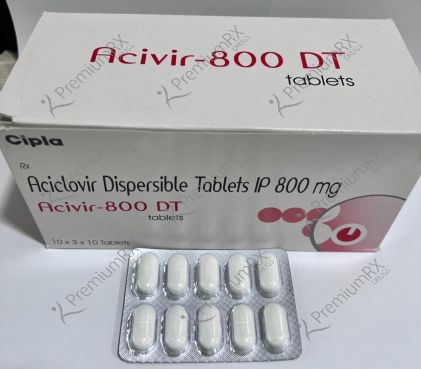
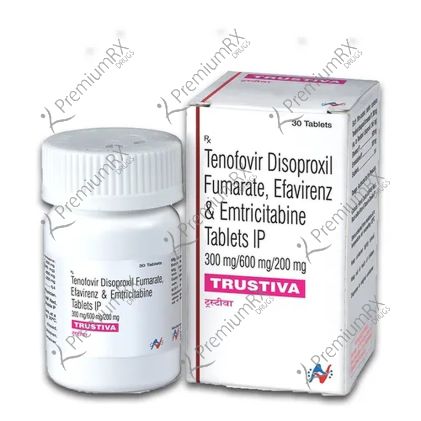
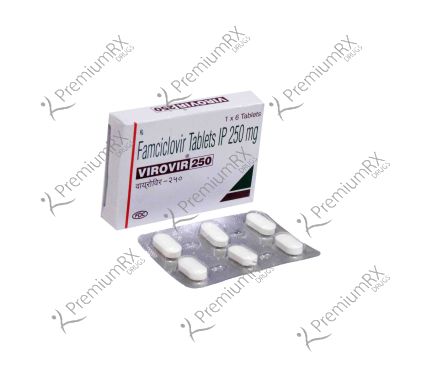
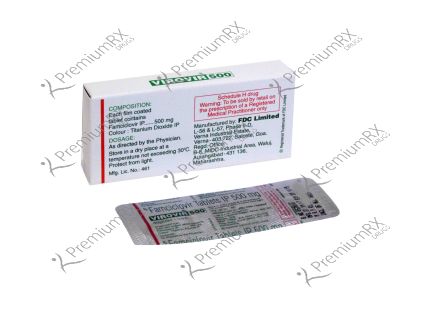
Viral infection cannot be treated with antibiotics. It is to be treated with antiviral drugs. Antiviral treatments have been developed to treat AIDS along with various other viral infections. When using such medicines it does not destroy the pathogen but it inhibits there development. There are antiviral medications for treatment of hepatitis C, hepatitis B, chicken pox, influenza and shingle as well.
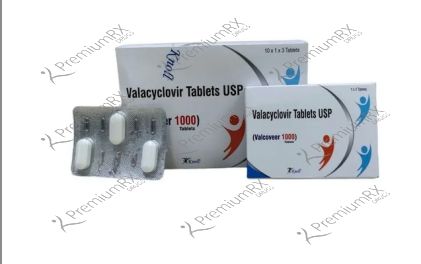
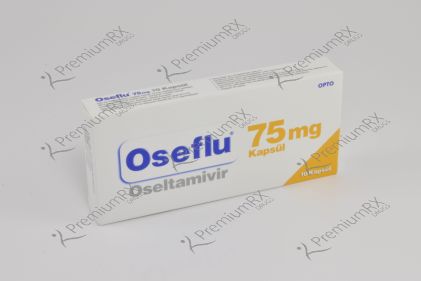
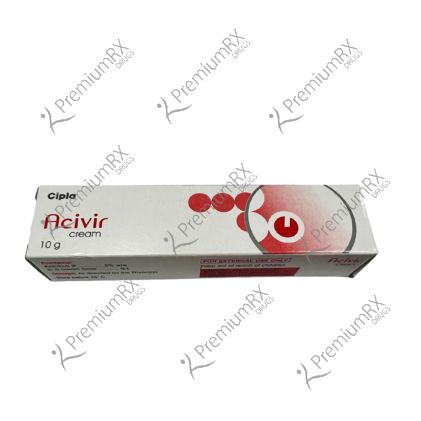
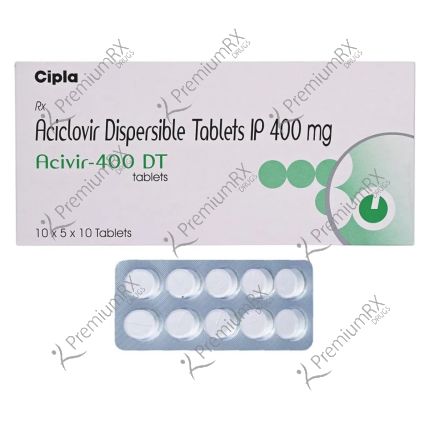
Antiviral drugs list that are commonly used to treat viral infections are Brivudine, Acyclovir, Docosanol, Idoxuridine, Famciclovir, Penciclovir, Valacyclovir, Trifluridine, Amantadine, Oseltamivir, Rimantadine, Zanamivir. This is not a complete list of antiviral medicines. There may be others too.
Most of the viral infection resolves in their own without any treatment. The treatment that is provided usually focuses on symptom relief such as fever, pain and cough.
Steps to improve the health
Several steps if take will lead to improvement in health after suffering from viral infection:
Important things to know
Everyone has bad cold or flu once in a while. Not all viral infection is serious. However, contact a doctor if:
Antivirals treat viral infections including herpes (acyclovir, valacyclovir), influenza (oseltamivir), HIV (antiretrovirals), hepatitis B & C, and COVID-19 (nirmatrelvir).
Antivirals interfere with specific stages of the viral lifecycle, preventing virus entry, replication, or release from cells without harming normal cells.
Yes. Some antivirals are used prophylactically (preventively), such as oseltamivir for influenza prevention and tenofovir for HIV pre-exposure prophylaxis (PrEP).
No. Each antiviral is effective against specific viruses. Antibiotics are not effective against viral infections, misusing them contributes to antibiotic resistance.
Yes. PremiumRxDrugs offers a comprehensive range of antiviral medications at affordable prices with a valid prescription. We ensure authentic drugs and worldwide delivery.
Acyclovir and valacyclovir are generally well-tolerated. Common side effects include headache, nausea, and diarrhoea. High-dose or long-term use can occasionally affect kidney function, stay well-hydrated. Oseltamivir (Tamiflu) commonly causes nausea and vomiting, which is reduced by taking with food.
For genital herpes outbreaks, treatment is typically 5–10 days. Suppressive herpes therapy continues daily for months to years. Shingles treatment is 7 days. Influenza treatment with oseltamivir is 5 days. Always complete the prescribed course even if symptoms resolve earlier.
Yes. PremiumRxDrugs offers a full range of antiviral medications, including acyclovir, valacyclovir, and oseltamivir at discounted prices with worldwide shipping. Order online securely and receive your antivirals promptly at your door.