Alcohol and drug dependence are chronic medical conditions, not lifestyle choices. Effective treatment combines behavioural support with pharmacotherapy — medications that reduce cravings, ease withdrawal symptoms, or create a deterrent to drinking. This page lists prescription medications for alcohol use disorder and opioid dependence, sourced from licensed manufacturers and available at significantly lower prices than local pharmacies. All medications require a valid prescription from a qualified physician.
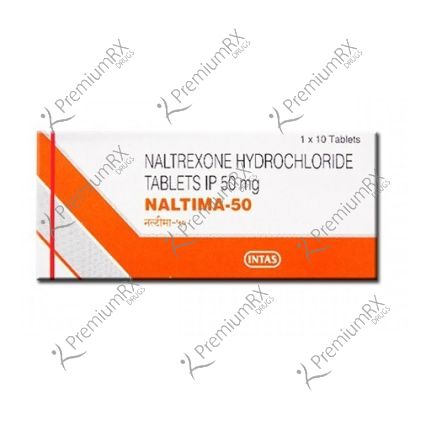
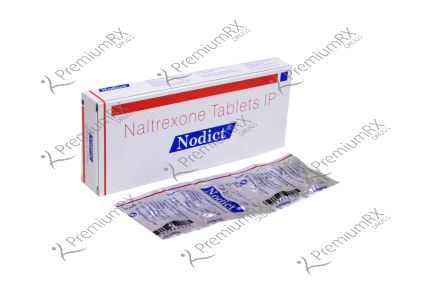
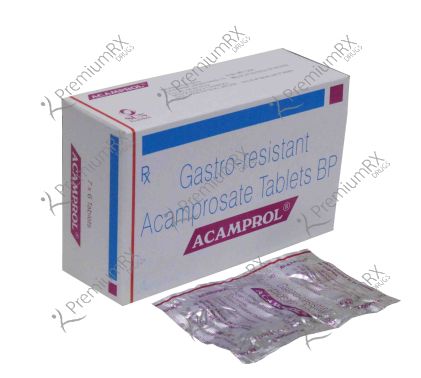
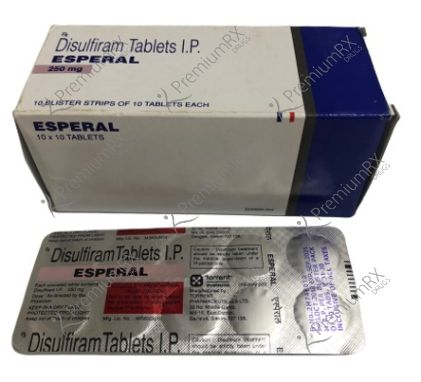
Available treatments include naltrexone (Naltima, Nodict) for craving reduction, acamprosate (Acamprol) for relapse prevention after detox, and disulfiram (Esperal) for alcohol aversion therapy.
Causes of alcohol and drug abuse:
The reason for liquor addiction is still obscure. Liquor reliance creates when you drink so much that compound changes in the cerebrum happen. These progressions increment the pleasurable sentiments you get when you drink liquor, which makes you need to drink all the more regularly, regardless of the fact that it causes hurt. In the end, much the same as different medications of misuse, the pleasurable sentiments connected with liquor use leave and individual with liquor reliance will take part in drinking to avert withdrawal side effects, which can be entirely disagreeable and even unsafe. Liquor abuse normally grows bit by bit after some time, and it's likewise known not in families.
Symptoms of alcohol and drug abuse:
People who experience the ill effects of liquor misuse don't generally display the same indications. The sort of manifestations experienced by an individual will rely on upon various components, for example, the individual's experience and restorative history. While liquor misuse side effects do change, there are signs and manifestations that can show an issue. Indications of liquor misuse include:
Individuals with liquor abuse may likewise encounter the accompanying physical manifestations:
Myths and Facts:
Myth: Natural drugs are safer to consume
Facts: Some natural drugs like marijuana are well-known to alter the brain functionality
Myth: If you have high tolerance to alcohol, you can never have alcohol addiction
Facts: Drinking alcohol constantly every day definitely keeps one in the category of drug addictive patient.
Preventive measures:
You can anticipate liquor abuse by constraining your liquor admission. As indicated by the National Institute on Alcohol Abuse and Alcoholism, ladies ought not to drink more than one beverage for each day, and men ought not to drink more than two beverages for every day. See your specialist on the off chance that you start to take part in practices that are indications of liquor abuse or on the off chance that you imagine that you may have an issue with liquor. You ought to likewise think about going to as a neighbourhood AA meeting or taking an interest in a self-improvement program, for example, Women for Sobriety.
Diagnosis of alcohol and drug abuse:
Your specialist or human services supplier can analyse liquor abuse. They will do a physical exam and get some information about your drinking propensities. Your specialist may inquire as to whether you:
Treatment for alcohol and drug abuse:
People who wish to beat a liquor misuse issue have various choices. As indicated by the National Institute on Alcohol Abuse and Alcoholism, more than 700,000 individuals are dealt with for liquor addiction consistently. Large portions of the people who are dealt with for liquor addiction and liquor manhandle regularly look for outside assistance from alcoholism treatment focuses and treatment sessions. Liquor treatment focuses are intended to help people who are dependent or who misuse liquor in various ways. Regularly, treatment focuses require a person to stay at the middle for a particular measure of time. Numerous focuses offer both long-and transient treatment alternatives. Amid treatment, people experience detoxification. Detoxification is the way toward expelling liquor from the body and disposing of any physical reliance to the substance. For somebody battling with liquor abuse to effectively finish a treatment program, he should leave the inside with a full comprehension of his issue. Treatment focuses are intended to give support as individual treatment, and in addition bunch treatment. Amid treatment sessions, liquor abusers can investigate their explanations behind manhandling the substance, and additionally what they can do to beat their harsh conduct. Instructors and advisors at treatment focuses are prepared to furnish liquor abusers with helpful thoughts and contrasting options to drinking. Amid treatment, liquor abusers are additionally furnished with the devices expected to proceed onward from mishandling liquor and into a more profitable way of life.
Choosing the right treatment medication
| Naltrexone (Naltima / Nodict) | Acamprosate (Acamprol) | Disulfiram (Esperal) | |
|---|---|---|---|
| Mechanism | Blocks opioid receptors; reduces reward | Restores GABA/glutamate balance | Inhibits alcohol metabolism; causes aversion reaction |
| When to start | Can start while still drinking | After detox only | 12–48 hours after last drink |
| Goal | Reduce cravings & drinking | Maintain abstinence | Deter drinking through aversion |
| Works if patient drinks | Yes — reduces reward | Yes — no reaction | No — triggers unpleasant reaction |
| Liver safety | Caution in hepatitis | Safe | Caution in liver disease |
| Suitable for opioid users | Used for opioid dependence too | Alcohol only | Alcohol only |
| Typical duration | 3–12 months | 6–12 months | Long-term, ongoing |
Steps to improve the health
Common medications include naltrexone (reduces cravings), disulfiram (causes unpleasant reactions to alcohol), and acamprosate (reduces withdrawal discomfort and relapse risk).
Medications work best as part of a comprehensive treatment plan that includes counseling and behavioral therapy. Medications like buprenorphine and methadone are effective for opioid use disorder.
Naltrexone blocks opioid receptors in the brain, reducing the euphoric effects of alcohol and diminishing cravings, making it easier for patients to maintain abstinence.
No. All alcohol and drug treatment medications require a valid prescription. PremiumRxDrugs provides these at affordable prices with a valid prescription from your doctor.
Treatment duration varies per individual. Naltrexone is often prescribed for 3–12 months. Your doctor will determine the appropriate duration based on your recovery progress.
Alcohol and drug treatment options include detoxification, inpatient rehabilitation, outpatient programs, counseling, and behavioral therapies.
There is no easy way to cure addiction, but it can be effectively managed with proper treatment and long-term support. The cure for addiction depends on the patient willpower.
The three main medications prescribed for alcohol use disorder are naltrexone (reduces cravings by blocking the brain's reward response to alcohol), acamprosate (reduces anxiety and discomfort during abstinence), and disulfiram (creates an unpleasant physical reaction when alcohol is consumed, acting as a deterrent). On this page, these are available as Naltima, Nodict, Acamprol, and Esperal.
Naltrexone can be started while the patient is still drinking and works by reducing the rewarding effect of alcohol and cravings. Acamprosate is only started after detoxification is complete; it works by restoring neurotransmitter balance disrupted by chronic alcohol use, making it easier to stay sober during early recovery.
Disulfiram blocks the enzyme that breaks down acetaldehyde — a toxic by-product of alcohol metabolism. When a person taking disulfiram drinks alcohol, acetaldehyde accumulates, causing flushing, nausea, vomiting, and palpitations. This aversion reaction acts as a powerful deterrent to drinking.
Naltrexone and acamprosate have relatively few drug interactions. Disulfiram has more significant interactions, including with warfarin, phenytoin, metronidazole, and isoniazid. Always provide your doctor with a complete list of your current medications before starting any addiction treatment.
A: Treatment duration varies. Naltrexone is typically prescribed for 3–12 months. Acamprosate is usually prescribed for 6–12 months following detox. Disulfiram may be used long-term as a commitment device. Your doctor will review progress and adjust duration based on your individual recovery.
No — abrupt alcohol cessation can be medically dangerous. In people with heavy, long-term alcohol dependence, sudden stopping can trigger withdrawal seizures, confusion, and delirium tremens (DTs), which are life-threatening. Always consult a doctor before reducing or stopping alcohol intake.
Yes. Naltrexone (Naltima, Nodict) is approved for both alcohol use disorder and opioid use disorder. For opioid dependence, it must be started only after the patient is fully detoxified from opioids — typically 7–10 days after the last opioid dose — to avoid precipitating withdrawal.
Medication significantly improves outcomes but works best as part of a comprehensive treatment plan that includes counselling, behavioural therapy, and peer support. Addiction is a chronic brain condition — not a question of willpower. Most people benefit from a combination of pharmacological and psychosocial support.