Free Shipping on Orders above US$125, or Apply Premium10 coupon to get 10% discount. Maximum discount US$20.
Free Shipping on Orders above US$125, or Apply Premium10 coupon to get 10% discount. Maximum discount US$20.

More Information on ACNE
Skin problems like acne are disorders that affect the skin's oil organs. The little gaps in your skin (pores) are associated with oil organs under the skin. These organs make a slick substance called sebum. The pores associate with the organs by a channel called a follicle. Oil conveys dead skin cells inside the follicles to the skin's surface. A dainty hair likewise goes through the follicle and out to the skin. At the point when the follicle of a skin organ stops up, a pimple develops. Most pimples are found on the face, neck, back, midsection, and shoulders.
Skin inflammation is not a health danger, but it can certainly bring facial scars that could significantly impact a person's self-confidence. Pimples and scars are the most widely recognized skin illnesses. Individuals of all races and ages get skin breaks. Be that as it may, it is most normal in adolescents and youthful grown-ups. Surprisingly, an expected 80 percent of people between the ages of 11 and 30 have skin breakout flare-ups sooner or later. A few people in their forties and fifties still get skin breakouts.
Causes of Acne:
Skin inflammation, acne signs, and side effects shift depending on the seriousness of your condition:
Preventive measures:
Once your skin acne and scars enhance, you may need to proceed with your skin breakout prescription or other treatment to counteract new breakouts. You may need to utilize a topical prescription on skin inflammation-inclined ranges, take oral contraceptives, or go to continuous light treatment sessions. Talk to your dermatologist about how you can keep your skin clear. You can likewise follow these simple tips:
Myth: Your diet has nothing to do with acne
Fact: Oily food should be avoided to prevent the occurrence of scars and pimples
Myth: Chocolates can worsen the condition of your acne
Facts: Though excess of anything is bad still chocolate does not affect and worsen acne
Myth: Acne occurs only at a young age and particularly in teenage
Facts: Acne occurs whenever there is a hormonal imbalance in the body
Myth: Makeups make acne worse
Facts: The right amount of makeup and good quality makeup products never affect acne and scars
Myth: It is good to apply toothpaste on your acne and scars
Facts: Toothpaste is rich in chemicals and never meant to be used on your skin
A dermatologist can determine what causes acne by examining your skin. Be that as it may, your specialist may pose a few questions to guarantee an appropriate skin acne conclusion and to preclude other skin issues. These incorporate inquiries regarding:
Now and again, skin pimples can imitate other related skin issues, for example, rosacea.
Skin acne is dealt with by specialists who work with skin issues (dermatologists). Treatment tries to:
Early treatment is an ideal approach to avert acne scars. Your specialist may propose the best acne treatment or physician-recommended drugs. Some skin breakout solutions are put right on the skin. Some acne medications are pills that you swallow. The specialist may instruct you to utilize more than one drug. The best acne creams are tretinoin cream, tretinoin gel, benzoyl peroxide, etc.
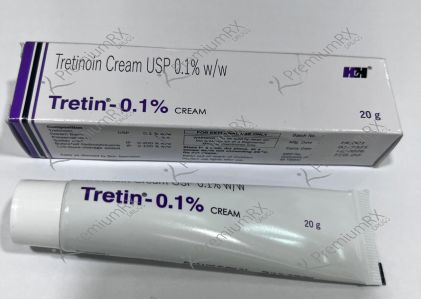
Topical retinoid · Vitamin A derivative
Tretinoin is the gold-standard topical retinoid. It works by accelerating skin cell turnover — pushing dead cells out of pores before they can block follicles. Over time it also thickens the dermis, fades post-acne hyperpigmentation, and reduces fine lines.
Side effects to expect: Dryness, peeling, and a temporary "purge" of new breakouts in the first 2–4 weeks. Always apply at night and use SPF in the morning. Avoid during pregnancy. Tretin Cream 0.1%, A Ret-HC Cream, A ret Gel
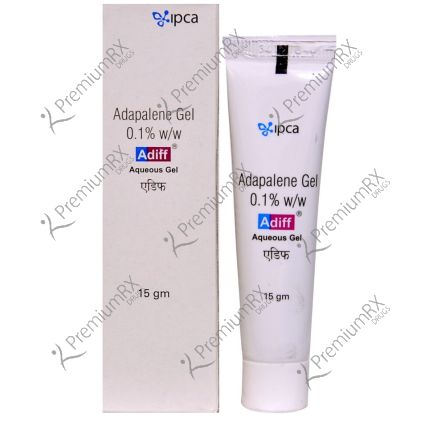
Third-generation retinoid · Gentler than tretinoin
Adapalene targets specific retinoic acid receptors in the skin, giving it retinoid-level efficacy with significantly less irritation. It normalises skin cell differentiation, prevents comedone formation, and has mild anti-inflammatory properties — making it the go-to first retinoid for beginners or those with sensitive skin types
Tretinoin vs. Adapalene: Adapalene is more stable in sunlight and causes less peeling, making it easier to tolerate daily. Tretinoin is more potent for stubborn or severe acne. Many dermatologists start patients on adapalene before stepping up to tretinoin. Adaferin Gel 1%, Adiff Gel 1%, Deriva MS Aqueous Gel
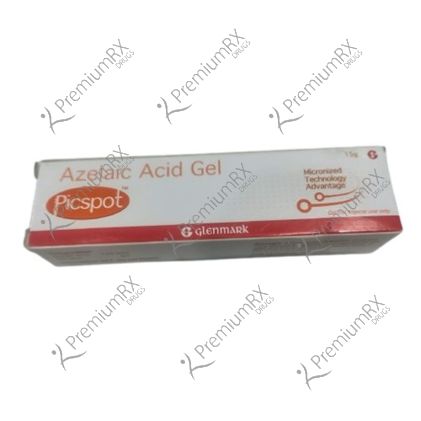
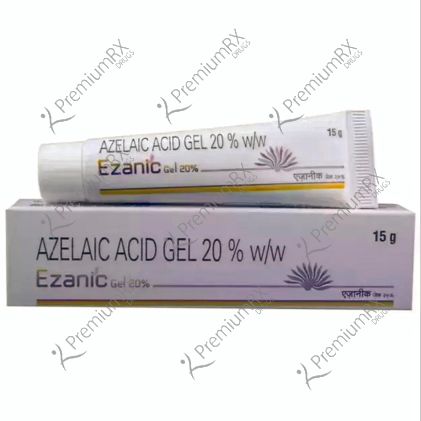
Dicarboxylic acid · Antibacterial + anti-inflammatory
Azelaic acid works through three mechanisms simultaneously: it kills C. acnes bacteria, reduces keratin buildup that blocks pores, and inhibits the enzyme tyrosinase — which is responsible for melanin overproduction. This triple action makes it uniquely effective for acne with concurrent post-inflammatory hyperpigmentation (PIH), and it is one of the few acne ingredients safe to use during pregnancy.
Who benefits most: Patients with Fitzpatrick skin types IV–VI who are prone to PIH after breakouts, and those with rosacea-acne overlap. Can be safely combined with retinoids by applying each on alternate nights to minimise irritation. Aziderm Cream 20%, Ezanic Gel 20%
Clindamycin alone is a lincosamide antibiotic that disrupts bacterial protein synthesis in C. acnes. However, long-term monotherapy risks antibiotic resistance. Combining it with benzoyl peroxide — which kills bacteria through oxidation and does not cause resistance — produces a dual-action treatment that is both more effective and resistant-proof. This is why most guidelines now recommend the combination over clindamycin alone.
Pairing tip: This combination works especially well alongside a retinoid. Apply clindamycin + BPO in the morning and your retinoid at night. Avoid using BPO immediately before or after tretinoin — they can deactivate each other if applied simultaneously. Peroclin Gel 5%
Synthetic retinoid · Strongest topical option
Tazarotene is a receptor-selective retinoid, meaning it binds to specific retinoid receptors (RARβ and RARγ) responsible for normalising skin cell differentiation, without activating receptors linked to systemic effects. It is the most potent topical retinoid available, working faster than tretinoin for many patients but with a higher likelihood of initial irritation. It also has a strong evidence base for psoriasis alongside acne.
Important warnings: Absolutely contraindicated in pregnancy. Avoid application to eczema-affected or sunburned skin. Begin with every-other-night application to build tolerance. A moisturiser barrier before application significantly reduces irritation. Tazret Forte Cream 0.1%
This information is for educational purposes only. Always consult a licensed dermatologist before starting or changing any prescription acne treatment. Individual results may vary based on skin type, acne severity, and adherence to the prescribed regimen.
Retin-A and retinol are not the same, although they are closely related and both belong to the retinoid (vitamin A) family.
| Feature | Retinol | Retin-A (Tretinoin) |
|---|---|---|
| Availability | Over-the-counter | Prescription only |
| Strength | Milder | Much stronger |
| Active Form | Must be converted by the skin | Already active |
| Results | Gradual (3–6 months) | Faster (6–12 weeks) |
| Irritation Risk | Lower | Higher |
| Best For | Beginners, mild aging concerns | Acne, wrinkles, sun damage |
Important things to do
Eat meals at regular times. Add more fruit, vegetables, and whole-meal bread to your diet. Try to drink several cups of water in the morning. Consult your physician if you don't get relief from acne after using home remedies.
Available options include topical retinoids (tretinoin, adapalene), oral antibiotics (doxycycline, clindamycin), hormonal treatments, and isotretinoin for severe or cystic acne.
Isotretinoin is the most effective for severe cystic acne. For mild to moderate acne, a combination of topical retinoids and antibiotics typically delivers the best results.
Topical treatments usually show noticeable improvement in 6–8 weeks. Oral medications may require 3–6 months for full effectiveness. Consistency is key.
Most effective acne medications require a valid prescription. PremiumRxDrugs offer prescriptions medicines at competitive discounted prices.
Yes. Generic acne medications contain the same active ingredients as branded versions, are equally effective, and are often available at significantly lower prices.
No, acne is not contagious and cannot be spread from person to person.
Hormonal acne is linked to hormonal fluctuations, especially androgens, and is common during puberty, menstruation, pregnancy, or conditions like Polycystic ovary syndrome.
Acne treatment depends on severity. Some often prescribed acne treatments may include topical products, oral medications, and proper skincare. Ingredients such as benzoyl peroxide and salicylic acid are commonly used.
Yes — completely. Generic acne medications contain the same active ingredients at identical concentrations as their branded counterparts. Tretin Cream is the generic equivalent of Retin-A (Tretinoin), and Adaferin/Adiff Gel is the generic equivalent of Differin (Adapalene). They are manufactured to the same pharmaceutical standards and deliver the same clinical results, often at a fraction of the branded price.
Both are retinoids that treat acne by regulating skin cell turnover and preventing pore blockages, but they differ in potency and tolerance. Tretinoin (Tretin Cream, A-Ret Gel) is the stronger, faster-acting option — ideal for moderate to severe acne and stubborn breakouts. Adapalene (Adaferin Gel, Adiff Gel) is a third-generation retinoid that is more stable in sunlight and significantly gentler on skin, making it the preferred starting point for beginners or those with sensitive skin. Many dermatologists begin patients on Adapalene before stepping up to Tretinoin if needed.
Azelaic Acid (Aziderm Cream 20%, Ezanic Gel 20%) is one of the only acne treatments considered safe to use during pregnancy and is often recommended by dermatologists for pregnant patients dealing with acne or pigmentation. All retinoids — including Tretinoin, Adapalene, and Tazarotene — are contraindicated during pregnancy and must be avoided. A-Ret-HC Cream contains Hydroquinone, which should also be used with caution during pregnancy. Always consult your doctor before starting or continuing any acne medication if you are pregnant or planning to conceive.
No — they're related but not the same. Both are retinoids (Vitamin A derivatives), but Retin-A is the brand name for tretinoin, which is prescription-strength retinoic acid. Retinol is an over-the-counter ingredient that your skin must first convert into retinoic acid before it becomes active.