




Retino A Cream .05%
Available Dosages
| SKU | 1145 |
|---|---|
| Generic For | Retin A Cream |
| Strength | 20gm |
| Manufacturer | Encube Ethicals Pvt. Ltd |
| Active Ingredient | Tretinoin |


Out Of Stock

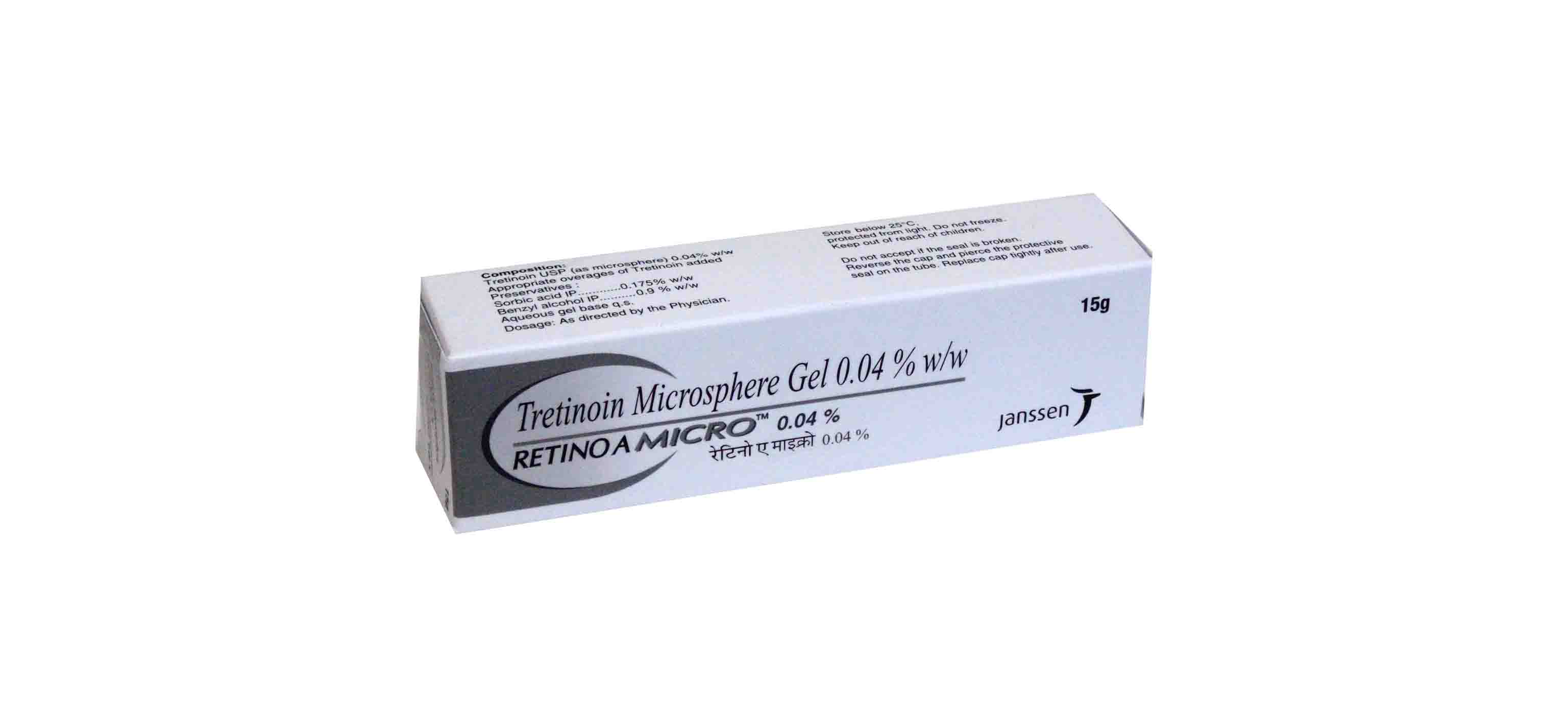
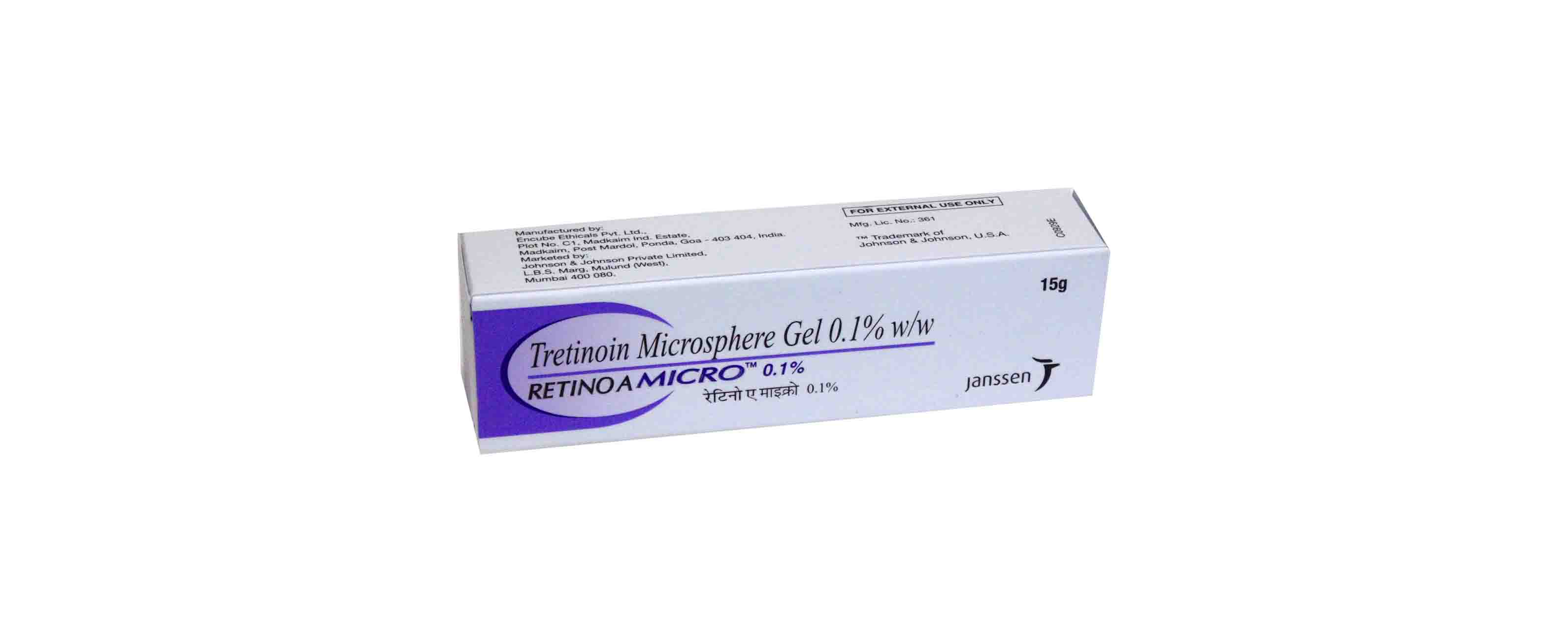
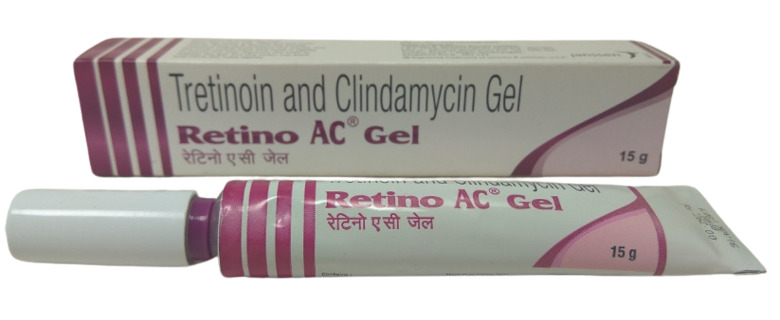
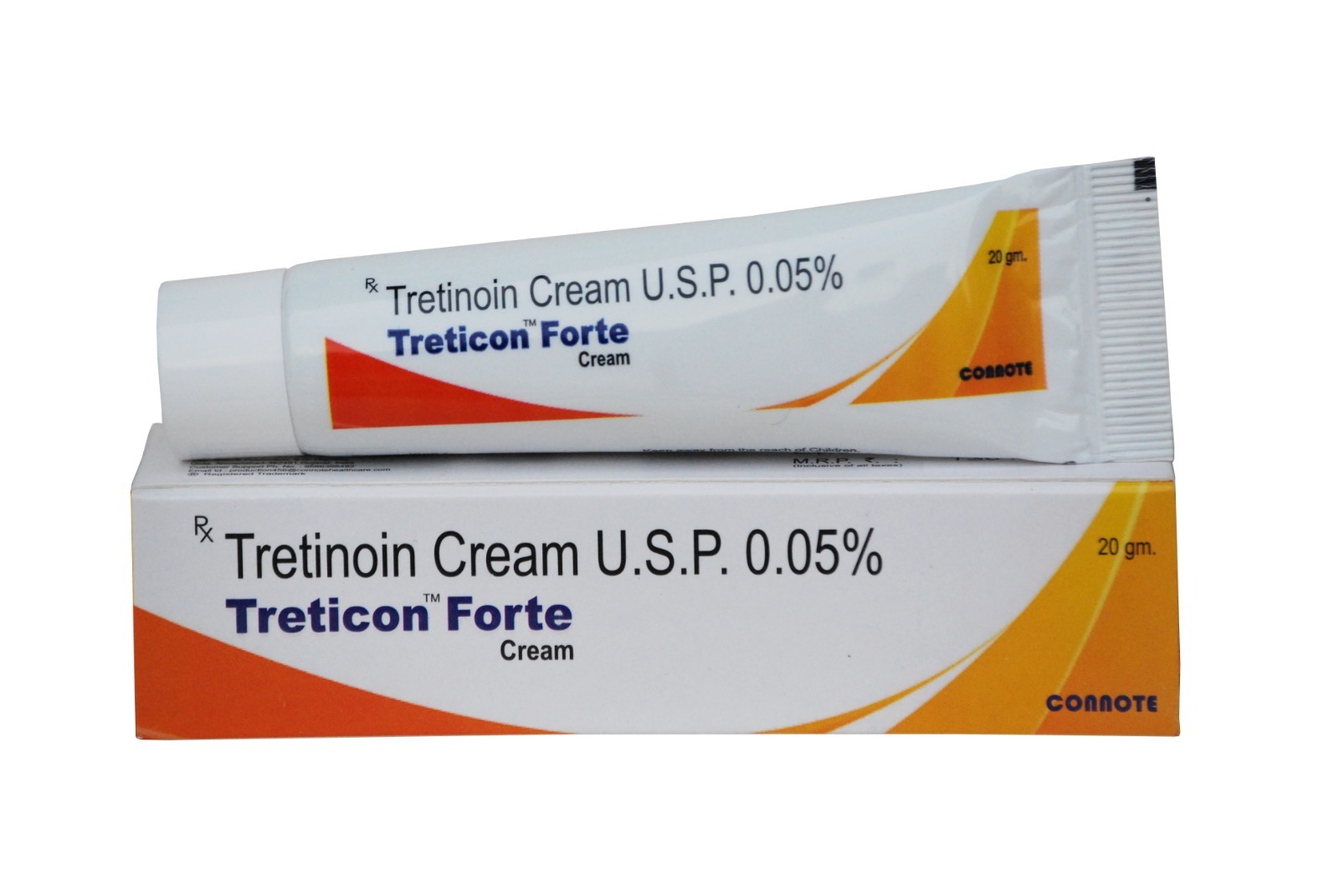
Retino A Cream .05% – Retin A Cream Alternative for Acne & Anti-Aging
Retino a 0.05% cream contains the active ingredient Tretinoin .05, a carboxylic acid form of vitamin A, is a first generation topical retinoid. It is commonly used to treat acne and keratosis pilarisis (a harmless skin condition that causes rough, dry patches and tiny bumps, usually on the cheeks, upper arms, buttocks, and thighs). Tretinoin is on the WHO list of essential medicines, a list of the most important medicines required in a basic health system.
What is Retino-A 0.05% used for?
Retino-A is indicated for topical use in the treatment of acne vulgaris, in which blackheads, papules, and pustules predominate. It is not recommended as monotherapy in case of acne conglobata (a highly inflammatory disease with blackheads, nodules, pustules, and draining sinus tracts).
How does Retino-A 0.05% work?
Retino-A cream contains the active ingredient Tretinoin. The drug being a metabolite of retinol, is both structurally and pharmacologically related to vitamin A, which regulates the cell growth and regenerates the outer layer of the skin. It makes the surface layer of the skin thinner and pores less likely to become blocked, reducing the occurrence of blackheads, whiteheads, and pimples.
What are the different doses of Retino-A 0.05%?
Retino-A is available to order online from premiumrxdrugs.com in 20g strength. Buy Retino-A 0.05% online far cheaper than other local pharmacies.
What does Retino-A-0.05% contain?
Retino-A contains the active pharmaceutical ingredient Tretinoin, which is the acid form of vitamin A. Each 20g tube contains 0.05% of Tretinoin.
What are the side effects of Retino-A- 0.05%?
- Retino-A is well tolerated after nightly application. Side effects have been limited to mild irritation, peeling, and erythema, especially in the early stage of treatment. Some patients may experience a temporary sensation of warmth or slightly stinging after the application of the medicine.
- If immoderate reactions occur, the frequency of application may be reduced, or treatment discontinued temporarily till the reactions become less intense. The frequency or dose may then be adjusted to a level, which the patient can tolerate.
- Transitory hypopigmentation or hyperpigmentation has been reported with the repeated topical use of the drug.
- Some individuals have also been reported to have heightened susceptibility to sunlight during the treatment with Retino-A.
What medications interact with Retino-A- 0.05%?
Concomitant topical medication, abrasive soaps and cleansers, cosmetics that have a strong drying effect, and products with high concentration of astringents, alcohol, spices or lime should be used with caution because of the possible drug interaction with Retino-A. Particular caution should be taken while using preparations containing keratolytic agents such as benzoyl peroxide, salicylic acid, or sulfur with Tretinoin.
When should Retino-A- 0.05% (20g) not be used?
- Retino-A should not be used in patients with hypersensitivity to Tretinoin or to any of the ingredients in this formulation.
- Do not use the cream on sunburned, wind burned, irritated, dry, peeled, or scaly skin as well as on wounds. Apply it only after the area is completely healed of the condition.
- While using Retino-A cream, your skin may become sensitive to sunlight and UV radiations. Therefore, you must avoid unnecessary exposure to sunlight and artificial UV rays (tanning beds or sunlamps). If you do venture out in the sun, use a good sunscreen and wear protective clothing.
How should Retino-A- 0.05% (20g) be used?
- Retino-A should be applied once daily, before retiring, to the skin areas where lesions appear. Clean the area before you apply the cream and pat dry with a soft cotton cloth. Use enough quantity to cover the entire affected area lightly. Don’t forget to wash your hands properly after the application.
- Don't let this topical medication come in contact with the delicate parts of your face like eyes, nose, or lips. Wash them thoroughly with water if they are exposed to the medication accidently.
- After using the medicine, a temporary feeling of warmth or slight stinging may occur. In this case, it is necessary to reduce the frequency of the application or to discontinue the treatment. The frequency of application may be increased, or treatment may be resumed when the patient becomes able to tolerate the treatment. If you have any doubt, please ask your physician.
- The frequency and concentration of the drug should be closely monitored by careful observation of the therapeutic response and skin tolerance. During the initial days of the treatment, an apparent exacerbation of inflammatory lesions may occur. It may cause due to the action of the drug or previously seen lesions, which should not be considered a reason to discontinue the treatment.
- Therapeutic results should be seen after two to three weeks, but more than six weeks of the treatment may be required before definite beneficial effects are noticed.
- Once an adequate result has achieved, it may be possible to maintain the improvement with less frequent applications of the drug.
- Patients treated with Retino-A acne treatment may use cosmetics, but the affected area to be treated should be cleansed thoroughly before the medicine is applied.
- If the cream is applied excessively, no rapid or better results will be obtained and marked redness, peeling of the skin, and discomfort may occur. Please consult your physician in case of an accidental overdose.
How long should you use Retino-A-0.05% (20g)?
Use Retino-A as long as it is recommended to you. Do not stop in between during the course of the treatment as it may take four to six weeks to see the effects of this medication. If the acne still does not improve after this time, call your physician.
Missed dose of Retino-A- 0.05% (20g)
Always remember to use the medicine on time. If you miss a dose, then use it as soon as you remember.
How should Retino-A- 0.05% be stored?
Creams are flammable, keep the medicine away from heat and flame. Keep the tube tightly closed. Store it at room temperature. Ensure that your children and pets don't have access to the medication.

What is Retino A 0.05% Cream used for?
Retino A 0.05% Cream contains tretinoin 0.05% — the intermediate-strength topical retinoid formulation. Indicated for: moderate acne vulgaris (greater efficacy than 0.025% for more significant comedonal and inflammatory acne); photoaging (clinically proven to reduce fine lines, wrinkles, and dyspigmentation — FDA-approved); post-inflammatory hyperpigmentation; and skin texture improvement. The 0.05% formulation offers a balance between efficacy and tolerability — significantly more effective than 0.025% for acne and photoaging, while being more tolerable than 0.1% for most patients. It is the most widely prescribed tretinoin concentration in clinical practice, particularly for photoaging treatment.
How does Retino A 0.05% differ from 0.025% in efficacy and tolerability?
Retino A 0.05% provides approximately twice the retinoid bioavailability of 0.025% at the skin level — resulting in stronger keratinocyte normalization, more pronounced comedolytic action, and faster collagen stimulation. Clinical difference: 0.05% achieves better acne lesion reduction and more pronounced photoaging improvement than 0.025%, particularly in the first 3 months. Tolerability: 0.05% causes more initial dryness, peeling, and erythema than 0.025% — patients should have adapted to or tolerated retinoid therapy before starting at 0.05%. Initiation at 0.05%: use every other night for 4 weeks before moving to nightly. For retinoid-naive patients with moderate-severe acne or significant photoaging who need rapid efficacy: 0.05% with careful moisturisation is appropriate.
Is Retino A 0.05% safe to use alongside oral antibiotics for acne?
Retino A 0.05% and oral antibiotics (doxycycline, minocycline, lymecycline) are commonly combined for moderate-severe inflammatory acne. Tretinoin addresses comedones (which antibiotics do not treat) while the antibiotic reduces bacterial counts and inflammation — the combination is synergistic. Safety considerations: doxycycline (and other tetracyclines) cause photosensitivity — combined with tretinoin's photosensitizing effect, strict daily sunscreen SPF 50+ is essential; avoid prolonged sun exposure. Erythromycin and clindamycin (oral or topical) are compatible with tretinoin without additional photosensitivity concerns. Oral antibiotic duration should be limited to 3–6 months to minimise antibiotic resistance — with tretinoin maintained as long-term monotherapy after antibiotic course completion.
What drug interactions apply to Retino A 0.05% Cream?
Topical tretinoin 0.05% has low systemic absorption — systemic drug interactions are not expected. Local interactions: benzoyl peroxide oxidises tretinoin — apply separately (tretinoin at night, benzoyl peroxide in the morning). Salicylic acid increases exfoliation — avoid simultaneous application; use at separate times if needed. Other retinoids should not be applied simultaneously. Vitamin C (L-ascorbic acid) serums are compatible with morning tretinoin application but may irritate if applied together — separate application times. Niacinamide is tretinoin-compatible and helps with redness and PIH — apply after tretinoin absorption. Avoid: waxing treated skin, laser treatments, or chemical peels without pausing tretinoin (typically 5–7 days pre-procedure). Photosensitisation mandates morning SPF 50+.
Is Retino A 0.05% equivalent to Retin-A 0.05%?
Yes. Retino A 0.05% Cream and branded Retin-A 0.05% Cream both contain tretinoin 0.05% in equivalent cream vehicles. Retino A is the generic alternative providing the same intermediate-strength retinoid therapy for acne and photoaging at significantly lower cost. PremiumRxDrugs.com stocks authentic manufacturer-sourced Retino A 0.05% verified for quality and bioequivalence.
Can I order Retino A 0.05% from PremiumRxDrugs for international delivery?
Yes. PremiumRxDrugs.com ships Retino A 0.05% Cream to the USA, UK, Australia, and many other countries. Our genuine manufacturer-verified tretinoin products, competitive pricing, and free worldwide shipping on qualifying orders make us a reliable international source for prescription retinoid treatment.
What side effects does Retino A 0.05% cause?
Common (more pronounced than 0.025%): dryness, peeling, and skin flaking; erythema and redness; burning/stinging; purging (acne exacerbation for 4–8 weeks); photosensitisation (sunburn more easily and severely). Managing 0.05% irritation: begin every other night for 4 weeks; apply to completely dry skin; use a ceramide-based non-comedogenic moisturiser; apply sunscreen SPF 50+ every morning. Skin tolerance typically develops by 8–12 weeks — after which nightly application is well tolerated. True allergic contact dermatitis is uncommon. Skin bleaching is rare. Blistering with excessive use. Eyelid or lip swelling if applied too close to these areas — apply 0.5–1cm from orbital rim and lip vermillion.
How should Retino A 0.05% be used for photoaging (anti-aging)?
For photoaging treatment with tretinoin 0.05%: apply nightly to the entire face (including forehead, cheeks, nose, and chin — not just specific lines). Mechanism: tretinoin stimulates fibroblast collagen I and III synthesis, increases epidermal thickness, reduces melanin production in lentigo/dyspigmentation, and normalises epidermal cell turnover — reversing features of photoaging. Expected timeline: improvements in skin texture at 3 months; reduction in fine lines at 6 months; significant wrinkle reduction and skin tone improvement at 12 months; continued improvement with ongoing use. FDA-approved at 0.025–0.1% for photoaging (cosmetic retinoids are non-prescription but at lower concentrations). Combine with morning SPF 50+ sunscreen and evening antioxidant serum (vitamin C, niacinamide) for comprehensive anti-aging regimen.
What is the retinization process for Retino A 0.05%?
Retinization is the skin adaptation process during initial tretinoin use — characterised by dryness, peeling, redness, and sensitivity lasting 4–12 weeks. During retinization: (1) corneocyte shedding accelerates significantly — visibly dry, flaky skin; (2) epidermal thickness temporarily decreases before increasing; (3) skin sensitivity to UV, irritants, and other actives is heightened. Successfully navigating retinization: apply to dry skin (20–30 min post-wash); use every other night for the first month; apply generous amounts of a gentle ceramide-based moisturiser; avoid exfoliants, harsh toners, and other irritating actives during the first 4–8 weeks. After retinization, skin tolerance is established and nightly application causes minimal irritation — the foundation for long-term retinoid therapy.
Can Retino A 0.05% be used on the neck, chest, and hands?
Tretinoin 0.05% can be applied to the neck, décolletage (chest), and dorsal hands for photoaging treatment — these areas commonly show sun damage with fine lines, pigmentation, and crepey texture. Application tips for off-face areas: neck skin is thinner than facial skin — start every-other-night application and use a minimal amount to avoid irritation; neck and chest may take longer to adapt than the face. Apply to dorsal hands for dark spot (lentigo) treatment and skin texture improvement. Always apply sunscreen SPF 30–50+ to treated areas every morning — hands and décolletage are easily sun-exposed. Avoid applying tretinoin to areas that cannot be reliably protected with sunscreen. Do not apply near the eye area, nasolabial folds (prone to irritation), or on any open lesion or broken skin.
Can Retino A 0.05% Cream be used for acne during breastfeeding?
Topical tretinoin 0.05% cream has very low systemic absorption — plasma levels are indistinguishable from endogenous retinoic acid in most studies. The amount transferred into breast milk is expected to be negligible. Current evidence does not demonstrate harm to breastfed infants from maternal topical tretinoin use. However, as a precautionary measure: avoid applying tretinoin to the chest or breast area; wash any treated area before skin-to-skin contact. Most dermatologists consider limited topical tretinoin use (face only) acceptable during breastfeeding when the benefit for acne management is significant — discuss with your doctor for a personalised risk-benefit assessment. Azelaic acid is the alternative if any concern about retinoid use persists.
Login
Sign Up
Login
Sign Up