Alzheimer's disease is a progressive neurological disorder that gradually destroys memory, thinking skills, and the ability to carry out simple tasks. It is the most common form of dementia, accounting for 60–80% of cases, and most commonly affects people aged 65 and older. Named after Dr. Alois Alzheimer, who first described it in 1906, the disease is characterised by the buildup of amyloid plaques and tau tangles in the brain, along with the loss of connections between nerve cells (neurons)
Causes of Alzheimer’s:
Alzheimer's is caused by the death of brain cells over time — a process called neurodegeneration. As the disease progresses, the total brain volume shrinks as nerve cells and their connections are lost. Two hallmark abnormalities drive this: amyloid plaques (deposits of a protein called beta-amyloid that accumulate between nerve cells) and neurofibrillary tangles (twisted fibres of a protein called tau that build up inside cells). Genetics, age, cardiovascular health, and lifestyle factors all contribute to risk..
Signs and symptoms of Alzheimer’s:
At in the first place, expanding distraction or gentle disarray might be the main manifestations of Alzheimer's disease symptoms for sickness that you take note. In any case, after some time, the ailment denies you of a greater amount of your memory, particularly late recollections. The rate at which indications compound shifts from individual to individual. In the event that you have Alzheimer's, you might be the first to notice that you're having surprising trouble recollecting things and sorting out your considerations. On the other hand you may not perceive that anything isn't right, notwithstanding when changes are perceptible to your relatives, dear companions or associates. Cerebrum changes connected with Alzheimer's sickness lead to developing issue with:
Everybody has intermittent memory slips. It's typical to forget about where you put your keys or overlook the name of a colleague. Be that as it may, the memory misfortune connected with Alzheimer's illness continues and exacerbates, influencing your capacity to work at work and at home.
Individuals with Alzheimer's may:
Individuals with Alzheimer's may encounter:
Diagnosis of Alzheimer’s:
There is no single test that can indicate whether a man has Alzheimer's. While doctors can quite often figure out whether a man has dementia, it might be hard to decide the accurate cause. Diagnosing Alzheimer's requires watchful restorative assessment, including:
Treatment of Alzheimer’s:
There is currently no cure for Alzheimer's disease. However, several FDA-approved medications can manage symptoms and slow disease progression. Cholinesterase inhibitors — including donepezil (Aricept), rivastigmine (Exelon), and galantamine (Razadyne) — work by preventing the breakdown of acetylcholine, a brain chemical essential for memory and learning. Memantine (Namenda) regulates glutamate activity and is approved for moderate to severe stages. In some patients, a combination of donepezil and memantine is prescribed. These medications typically provide benefit for 6–12 months and are well tolerated by most patients. Always consult a physician before starting or changing any Alzheimer's medication.
Here is some important Alzheimer's medication.
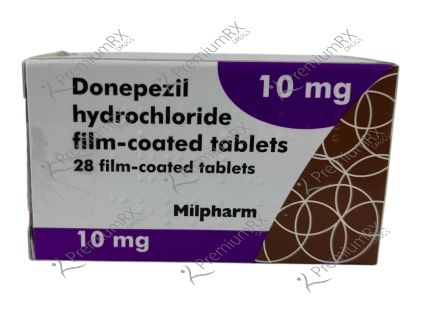
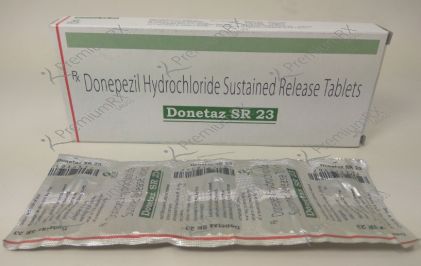
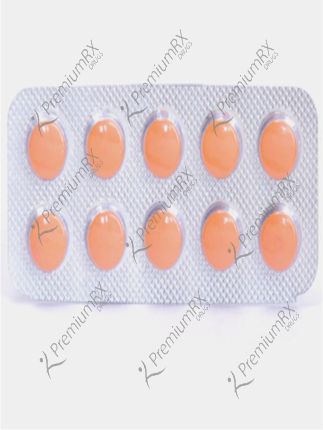
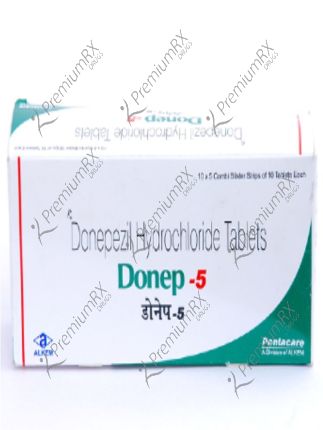
Donepezil — A cholinesterase inhibitor that prevents the breakdown of acetylcholine in the brain. Used in mild to severe Alzheimer's. Available as Donep 5mg, Donep 10mg, Donetaz SR 23mg, and Donamem (combination).
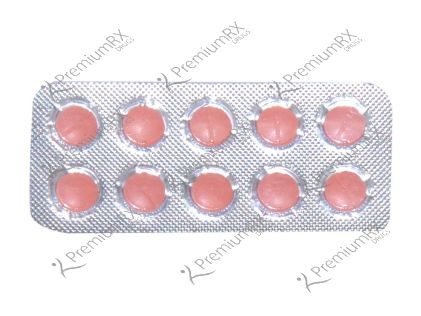
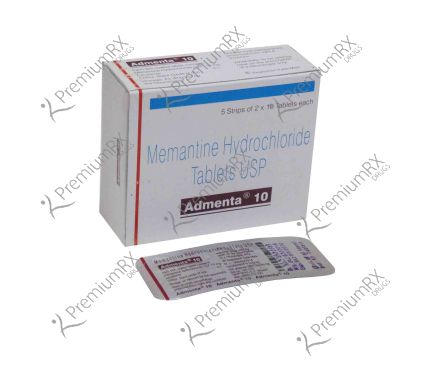
Memantine — An NMDA receptor antagonist that regulates glutamate activity. Recommended for moderate to severe stages. Available as Admenta 5mg and Admenta 10mg, and also in the Donamem combination.
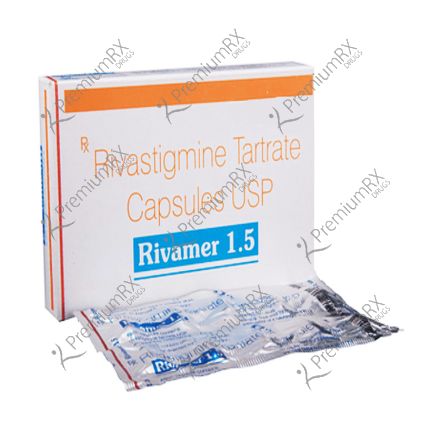
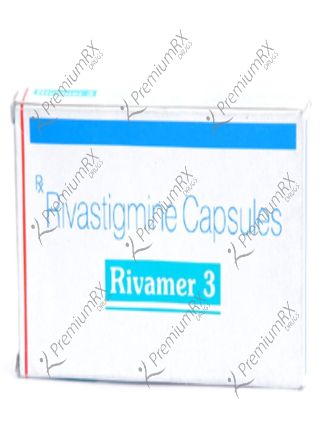
Rivastigmine — A cholinesterase inhibitor approved for mild to moderate Alzheimer's and Parkinson's-related dementia. Available as Rivamer 1.5mg and Rivamer 3mg (generic Exelon).
Galantamine — A dual-action cholinesterase inhibitor that also modulates nicotinic receptors. Used for mild to moderate Alzheimer's. Available as Galamer 4mg and Galamer 8mg (generic Razadyne).
Donepezil + Memantine (combination) — A fixed-dose combination targeting two pathways simultaneously — acetylcholine preservation and glutamate regulation. Available as Donamem 5+10mg, typically prescribed for moderate to severe cases where monotherapy is insufficient.
Steps to improve the health
The information provided on this page about Alzheimer's disease and its medications — including donepezil, memantine, rivastigmine, galantamine, and their combinations — is intended for general informational purposes only. It does not constitute medical advice, diagnosis, or treatment recommendations.
Secnidazole is a long-acting nitroimidazole with the distinct advantage of a single-dose treatment regimen. Adults with uncomplicated amoebiasis or giardiasis can be treated with a single 2g oral dose, which greatly simplifies treatment and improves medication adherence — especially in travel or community-care settings.
FDA-approved Alzheimer's medications include cholinesterase inhibitors (donepezil, rivastigmine, galantamine) and memantine, which help manage symptoms and slow cognitive decline.
The early signs of Alzheimer’s include memory loss, difficulty finding words, confusion about time or place, and trouble completing familiar tasks.
Currently, no medication cures Alzheimer's. However, approved drugs can slow symptom progression, improve quality of life, and help maintain daily functioning for a longer period.
Donepezil (Aricept) is a cholinesterase inhibitor that prevents the breakdown of acetylcholine in the brain, improving memory, thinking, and daily function in Alzheimer's patients.
Different medications are effective at different stages. Donepezil is approved for all stages, while memantine is recommended for moderate to severe Alzheimer's disease.
PremiumRxDrugs offers genuine Alzheimer's medications at significantly discounted prices compared to local pharmacies. Shop with a valid prescription and enjoy worldwide shipping.
Alzheimer’s disease progresses slowly over several years. The rate varies, but most people live 4–8 years after diagnosis, though some live longer if they are well cared for.
Donepezil (sold as Aricept or generically as Donep) is a cholinesterase inhibitor prescribed for mild, moderate, and severe Alzheimer's disease. It works by slowing the breakdown of acetylcholine, a neurotransmitter critical for memory and learning, helping to maintain cognitive function for longer.
Memantine (Namenda / Admenta) is an NMDA receptor antagonist prescribed for moderate to severe Alzheimer's disease. It regulates glutamate activity in the brain, which, when overactive, can accelerate nerve cell damage. It is often prescribed alongside donepezil for advanced-stage patients.
Rivastigmine (Exelon / Rivamer) is a cholinesterase inhibitor approved for mild to moderate Alzheimer's disease and Parkinson's disease dementia. Unlike donepezil, rivastigmine inhibits both acetylcholinesterase and butyrylcholinesterase enzymes, offering a slightly broader mechanism of action. It is available as capsules and a skin patch.
Galantamine (Razadyne / Galamer) is a dual-action drug used for mild to moderate Alzheimer's disease. It both inhibits cholinesterase and enhances the response of nicotinic receptors to acetylcholine. This dual mechanism may provide additional cognitive benefit compared to single-action cholinesterase inhibitors.
Donamem is a fixed-dose combination of donepezil (5mg) and memantine (10mg) prescribed for moderate to severe Alzheimer's disease. By combining two different mechanisms — acetylcholine preservation and glutamate regulation — it targets the disease on two fronts simultaneously and is often more effective than either drug alone at this stage.