Allergies are a number of conditions caused by hypersensitivity of the immune system. It is extremely basic and expanding fast, influencing around one in four individuals eventually in their lives. There are a wide range of reasons for hypersensitivity and indications fluctuate from mellow to conceivably life debilitating. Hypersensitivity is likewise one of the main considerations connected with the cause and industriousness of asthma. Luckily powerful avoidance and treatment choices are accessible for generally hypersensitivities.
Allergy medications reduce or block the immune system's response to allergens such as pollen, dust mites, pet dander, moulds, and certain foods. They are prescribed for conditions including hay fever (allergic rhinitis), urticaria (hives), allergic conjunctivitis, eczema, and allergic asthma. Treatments range from antihistamines and nasal corticosteroids for mild to moderate symptoms, to leukotriene antagonists and systemic corticosteroids for more severe or persistent cases. All products on this page are genuine generics sourced from licensed Indian manufacturers and are available at significantly lower prices than local pharmacies, with worldwide shipping.
Causes of allergy:
Sensitivity or allergic reactions happens when a man's resistant framework responds to substances in the environment that are innocuous for the vast majority. These substances are known as allergens and are found in house dust vermin, pets, dust, creepy crawlies, moulds, sustenance’sand a few pharmaceuticals. Atopy is the hereditary (acquired) propensity to create hypersensitive infections. Individuals with atopy are said to be atopic. At the point when atopic individuals are presented to allergens they can build up an invulnerable response that prompts hypersensitive irritation (redness and swelling). This can then bring about side effects in the:
A substance that is an allergen for one individual may not be for another - everybody responds in an unexpected way. The probability (or danger) of creating hypersensitivities is expanded if other relatives experience the ill effects of sensitivity or asthma.
Signs and symptoms of allergy:
Allergies are misrepresented invulnerable reactions to ecological triggers known as allergens. Hypersensitivities and symptoms of allergy are exceptionally normal, and around 50 million individuals in North America experience the ill effects of sensitivities. A standout amongst the most well-known types of sensitivity is unfavourably susceptible rhinitis ("feed fever"), which produces side effects related to the allergy symptoms like
The manifestations of feed fever can, thus, prompt exhaustion and torpidity. Different sorts of hypersensitive responses can include the skin (hives and tingling). Anaphylactic stun is a serious type of unfavourably susceptible response that can be life-undermining. In anaphylactic stun, there is swelling of the throat and trouble relaxing. Asthma is additionally identified with sensitivities as a rule. The side effects of hypersensitivities can now and then take after those of different conditions. The regular cool and this season's cold virus can bring about respiratory indications like hypersensitivities. Normally, sensitivity indications are connected with a particular time of year or introduction to an allergen.
Preventive measures:
Allergen evasion (or diminishment) depends on recognizing the reason for your sensitivity and afterward finding a way to lessen your introduction to the allergen. For example, numerous individuals are oversensitive to tidy bugs; in this manner decreasing dust bug in the house is imperative.
Myths and facts
Myth: Only antihistamines are effective for allergy
Fact: Anti histamines only blocks the substance that causes allergy
Myth: Allergy occurs only in mid aged people
Fact: Allergy can occur in any one and at any age.
Diagnosis of allergy:
In the event that you have never been determined to have hypersensitivities however think you may have them or aren't certain what causes your sensitivity side effects, see an allergist.
When you visit an allergist, the specialist will:
Treatment for allergy:
Most hypersensitive responses are mellow to direct, and don't bring about significant issues, despite the fact that for some individuals they might be a wellspring of compelling bothering and distress. Be that as it may, a little number of individuals may encounter an extreme unfavourably susceptible response called hypersensitivity. It is a genuine condition which requires quick life sparing prescription. A portion of the more continuous allergens which may precipitate this are peanuts, shellfish, creepy crawly stings and medications. On the off chance that you realize that you have an exceptionally serious hypersensitivity, you ought to have an Anaphylaxis Management Plan from your specialist. Pharmaceuticals used to treat sensitivities include the intake of allergy medicines:
What conditions do allergy medications treat?
Allergy medications are prescribed for a wide range of immune-mediated conditions, including:
Hay fever (allergic rhinitis) — seasonal or year-round sneezing, runny nose, nasal congestion, and itchy eyes caused by pollen, dust mites, or pet dander
Urticaria (hives) — raised, itchy welts on the skin triggered by allergens, foods, or medications
Allergic conjunctivitis — itchy, red, watery eyes in response to airborne allergens
Atopic dermatitis (eczema) — chronic inflammatory skin condition associated with allergic sensitisation
Contact dermatitis — skin inflammation from direct contact with an allergen or irritant
Allergic asthma — airway narrowing triggered by allergen exposure
Anaphylaxis support — systemic corticosteroids are used alongside adrenaline as second-line treatment in severe anaphylactic reactions
Important things to know
Consult your physician if you don’t get relief from allergy after using home remedies and consuming medication.
The most common types of allergy include food allergies, seasonal allergies (hay fever), dust allergies, pet allergies, and drug allergies.
Yes. Many allergy medications like cetirizine or loratadine are safe for daily use. However, always consult your doctor before long-term use of any medication.
First-generation antihistamines like diphenhydramine cause drowsiness. Newer second-generation antihistamines like cetirizine and loratadine are generally non-drowsy.
Most antihistamines work within 1–2 hours. Nasal corticosteroid sprays may take several days of consistent use to reach their full effectiveness.
The diagnoses vary depending on the allergy condition. Doctors may use skin prick tests, blood tests, or elimination diets to identify specific allergens.
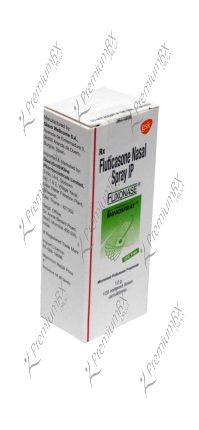
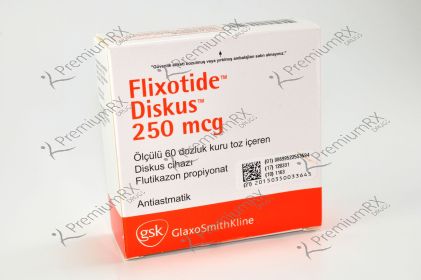
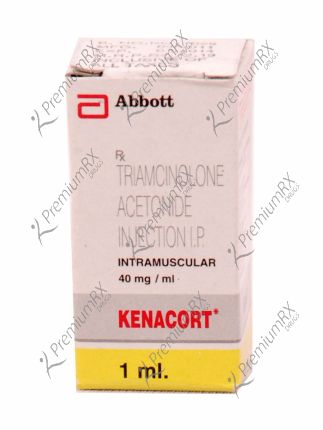
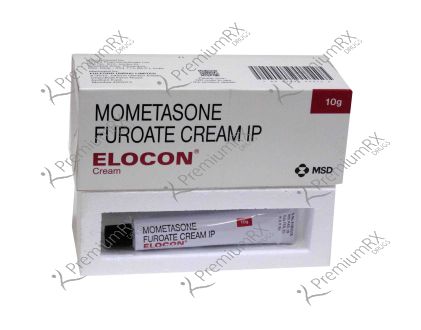
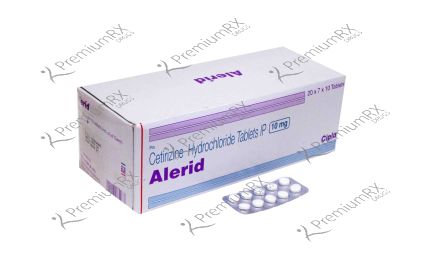
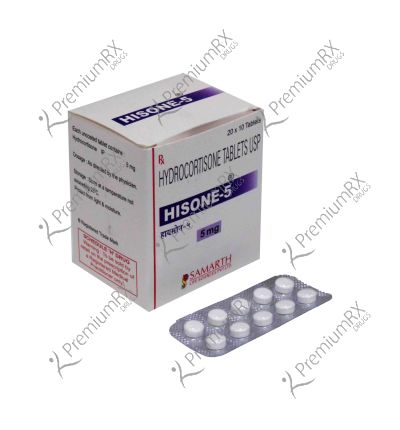
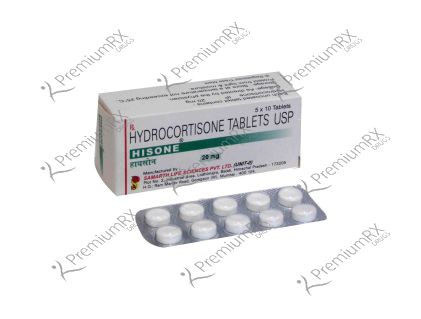
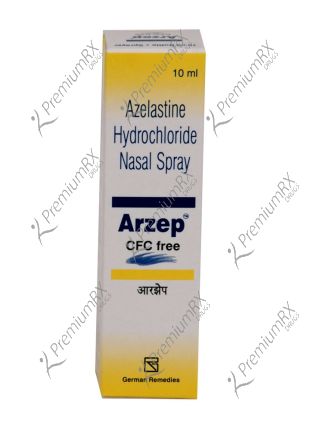
Here five classes of allergy medication: antihistamines (cetirizine/Alerid, cyproheptadine/Ciplactin, azelastine/Arzep nasal spray), nasal and inhaled corticosteroids (fluticasone/Flixonase, Flixotide Discus), a leukotriene antagonist (montelukast/Montair), a topical corticosteroid (mometasone/Elocon cream), and systemic corticosteroids (triamcinolone injection/Kenacort, hydrocortisone/Hisone).
Allergic reactions can be prevented by avoiding known triggers, keeping your environment clean, using air purifiers, and following your doctor’s advice.
OTC antihistamines such as cetirizine are suitable for mild to moderate hay fever and urticaria. Prescription-strength allergy medications — including higher-dose nasal corticosteroids, leukotriene antagonists, and systemic corticosteroids — are used for more severe, persistent, or complex allergic conditions and require a doctor's guidance.
The most common allergic conditions are seasonal hay fever (allergic rhinitis) caused by pollen, perennial rhinitis from dust mites or pet dander, urticaria (hives), atopic dermatitis (eczema), allergic asthma, food allergies (peanuts, tree nuts, shellfish, milk, eggs), and drug allergies (most commonly to penicillin or aspirin).
Yes. Medications such as cetirizine (Alerid), fluticasone nasal spray (Flixonase), and montelukast (Montair) are designed for daily use and are safe and effective for long-term management of chronic allergic conditions. Always follow your doctor's guidance on duration.
Azelastine nasal spray (Arzep) works within 15 minutes. Oral antihistamines like cetirizine (Alerid) typically work within one hour. Nasal corticosteroids like fluticasone (Flixonase) require several days of consistent daily use to reach maximum effectiveness. Montelukast (Montair) takes one to two weeks for full effect.
Cetirizine (Alerid) is an antihistamine that works quickly to relieve sneezing, itching, and runny nose. Fluticasone nasal spray (Flixonase) is a corticosteroid that reduces nasal inflammation and congestion and is more effective for blocked nose symptoms. For moderate to severe hay fever, clinical guidelines recommend nasal corticosteroids as the primary treatment, with antihistamines added for breakthrough symptoms.