




Erlonat 150mg
Available Dosages
| SKU | 1494 |
|---|---|
| Generic For | Taceva |
| Strength | 150mg |
| Manufacturer | Natco |
| Active Ingredient | Erlotinib |


| Pack Size | Qty | Price Per Pill or Unit | Price | Cart | |
|---|---|---|---|---|---|
| 30 Tablet/s | US$ 9.46 | US$ 283.80 | |||
|
|||||

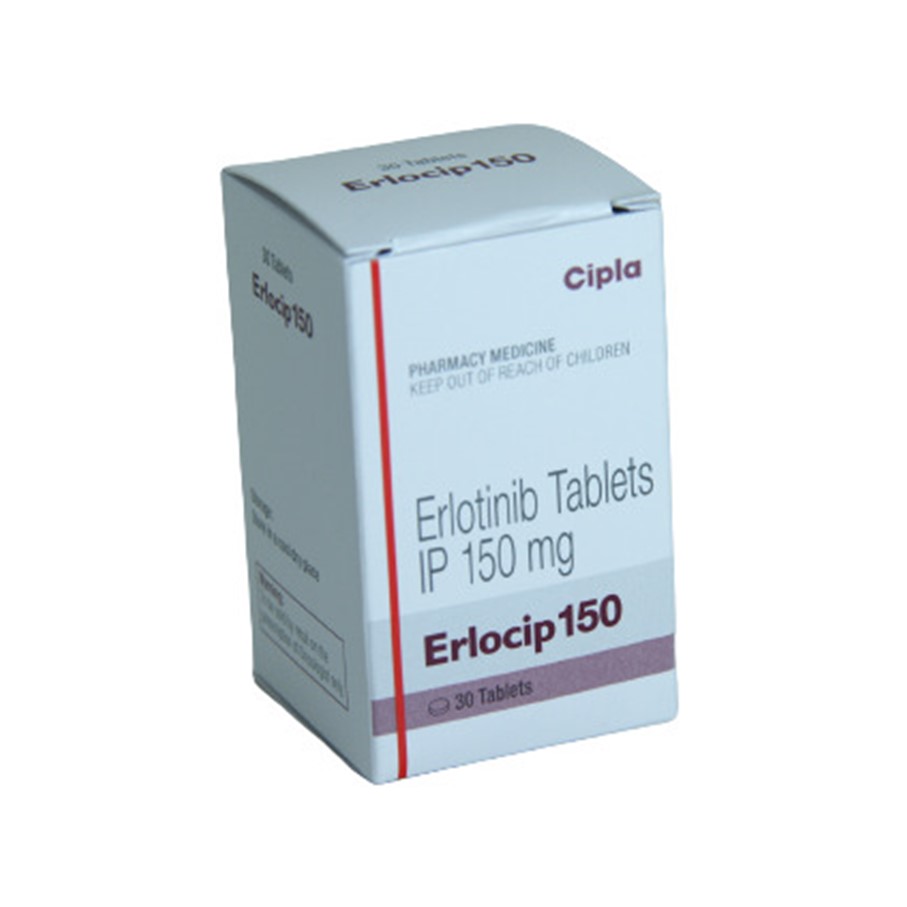
Erlonat 150mg – Affordable Taceva Alternative for Lung Cancer
Erlonat 150 mg is indicated for the treatment of patients with locally advanced or metastatic nonsmall cell lung cancer. It can be given before or initial chemotherapy if your cancer has specific mutations in a protein called epidermal growth factor receptor. The medicine can also be given later on when initial chemotherapy has not worked. Erlonat comprises of an active ingredient Erlotinib, which is a type of targeted therapy rather than a traditional chemotherapy dug. It identifies cancer cells by their rapid rate of reproduction and then attacks those cells. This document is created to help you understand more about your treatment.Erlotinib falls into the category of drugs called anti-neoplastic agents which are useful in treating cancer. It is also used along with gemcitabine to treat patients with pancreatic cancer.
What is Erlonat used for?
The pharmaceutical drug Erlonat 150mg is useful in treating treat non-small cell lung cancer when your cancer has returned following standard treatment. It can also be used in combination with the chemotherapy drug gemcitabine to treat people with metastatic pancreatic cancer.
The medicine may only be available in some situations. Your health care specialist can tell you if its appropriate best for your condition.
How does Erlonat work?
The medicine's aim is to stop the abnormal cells from dividing and therefore stopping the cancer cells from growing. Its mode of action is different from chemotherapy and hormonal therapy.
What does Erlonat contain?
Erlonat tablets contain Erlotinib as the active component. This is the most effective constituent in a treatment of non-small cell lung cancer.
Effects of grape juice on Erlonat
The medicine is known to interact with grape juice, so please avoid consuming it while taking the tablet.
What medications interact with Erlonat?
Erlonat may interact with other drugs, including that, are useful in treating epilepsy, indigestion, and stomach ulcers. It can also interact with the herbal remedy St John’s Wort. Tell your health care specialist about any drugs you are consuming, including over the counter medicines, herbal products, and complementary therapies.
When should Erlonat not be used?
- Do not take Erlonat 150mg if you are allergic to Erlotinib or other inactive ingredients of the medicine.
- It should not be taken if you have an allergic reaction like shortness of breath, swelling of the face, tongue, or lips, rash, itching, hives on the skin, difficulty breathing, wheezing.
How should Erlonat be used?
The medicine is available in the form of a tablet and can be taken as a single dose with a glass of water one hour before or two hours after a meal. Do not chew the tablet. Your health care specialist will tell you how many tablets to take each day. For the treatment of non-small cell lung cancer, the usually recommended dose is one 150 mg daily. For the treatment of pancreatic cancer, given in combination with gemcitabine, the suggested dose is one 100 mg tablet daily.
How long should Erlonat be used?
Continue taking Erlonat 150 mg as long as recommended by your physician.
Missed dose of Erlonat
Take the missed dose of Erlonat 150 mg as soon as you notice. Skip the missed dose if it is almost time for your next scheduled dose. Do not take extra dose to make up your missed dose.
How should Erlonat be stored?
- Away from direct sun light, heat, and moisture
- Keep it away from the reach of children
- Do not freeze the tablets
What are the side effects of Erlonat?
Tell your health care specialist as soon as possible if you do not feel while you are taking Erlotinib. The medicine helps patients with non-small cell lung cancer and pancreatic cancer, but it may have undesired side effects. You can experience side effects associated with the usage of Erlonat. Sometimes they are serious, most of the time they are not. You may need medical help if you get some of the unwanted effects.
- Interstitial lung disease
- Cough
- Dyspnea
- Myocardial infarction
- Ischemia
- Dry skin
- Rash
- Bullous
- Exfoliative skin disorders
- Pruritus
- Microangiopathic hemolytic anemia with thrombocytopenia
- Fatigue
- Cerebrovascular accident
- Corneal ulceration
- Conjunctivitis
- Corneal perforation
- Renal failure
- Diarrhea
- Anorexia
- Hepatotoxicity
- Stomatitis, increased liver enzymes
- Nausea, vomiting
- Gastrointestinal perforation
- Abdominal pain

What is Erlotinib and what condition does it treat?
Erlotinib is a targeted cancer therapy medication classified as a tyrosine kinase inhibitor used primarily to treat non-small cell lung cancer (NSCLC) and pancreatic cancer. Erlonat 150mg contains erlotinib as its active ingredient and works by blocking specific proteins that cancer cells need to grow and multiply. This anticancer medicine is particularly effective for patients whose tumors have certain genetic mutations, especially EGFR-positive lung cancers. Erlotinib belongs to a category of precision oncology drugs that target cancer cells more specifically than traditional chemotherapy, offering a tailored treatment approach for eligible patients.
How does Erlotinib work in the body?
Erlotinib works by inhibiting the epidermal growth factor receptor (EGFR), a protein found on the surface of cells that signals them to grow and divide. In certain cancers, this EGFR protein becomes overactive, causing uncontrolled tumor growth. Erlonat 150mg blocks this signaling pathway, effectively starving cancer cells of the growth signals they need to survive. This targeted kinase inhibitor enters the bloodstream after oral administration and concentrates in tissues where it binds to mutated EGFR proteins. By interfering with cancer cell communication and replication, erlotinib helps slow or stop tumor progression while generally causing fewer side effects than conventional chemotherapy agents.
How long does Erlonat 150mg take to work?
Erlonat 150mg begins working at the cellular level within hours of taking the first dose, though visible clinical improvements typically take several weeks to become apparent. Most patients undergoing erlotinib therapy will have their first tumor response assessment through imaging scans after approximately 6 to 8 weeks of continuous daily treatment. Some individuals may notice symptom improvements such as reduced coughing or breathing difficulties within 2 to 4 weeks. This targeted cancer medication requires consistent daily dosing to maintain therapeutic drug levels, and maximum benefit often develops gradually over the first few months of treatment as the medicine accumulates and suppresses tumor activity.
When and how should I take Erlonat 150mg?
Take Erlonat 150mg once daily on an empty stomach, at least one hour before eating or two hours after finishing a meal. Swallow the tablet whole with water without crushing or breaking it. Taking erlotinib with food significantly increases absorption and may lead to unwanted side effects, so timing is important. Choose a consistent time each day to maintain steady drug levels—many patients prefer morning dosing. If you miss a dose and it's more than 12 hours until your next scheduled dose, take it as soon as you remember; otherwise, skip it and resume your regular schedule. Always follow your oncologist's specific instructions.
Is Erlonat 150mg safe for long-term use?
Erlonat 150mg is designed for continuous long-term use in managing advanced or metastatic cancer, and many patients take this tyrosine kinase inhibitor for months or even years under careful medical supervision. Clinical studies demonstrate that erlotinib maintains its effectiveness during extended treatment periods without significant loss of anticancer activity. Long-term safety monitoring includes regular liver function tests, kidney function assessments, and skin examinations, as prolonged use may require management of cumulative side effects. The benefits of ongoing tumor control typically outweigh risks for appropriately selected patients. Your oncology team will conduct periodic evaluations to ensure the medicine continues working effectively throughout your treatment journey.
Can I take Erlonat 150mg with other medicines?
Erlonat 150mg can interact with numerous medications, requiring careful coordination with your healthcare providers. Drugs that affect stomach acid—including proton pump inhibitors, H2 blockers, and antacids—can reduce erlotinib absorption and effectiveness. This cancer medicine is processed by liver enzymes, so medications that inhibit or induce these enzymes may alter erlotinib levels, potentially causing toxicity or reduced efficacy. Common interacting drugs include certain antibiotics, antifungals, anticonvulsants, and St. John's Wort. Always inform all your doctors and pharmacists about every medication, supplement, and herbal product you're taking to prevent dangerous interactions with this targeted therapy.
How does Erlonat 150mg compare to similar medicines in its class?
Erlonat 150mg belongs to the EGFR tyrosine kinase inhibitor class alongside medications like gefitinib and afatinib, which all target epidermal growth factor receptor mutations in cancer cells. Erlotinib offers once-daily oral dosing and has extensive clinical evidence supporting its use in both first-line and maintenance therapy for NSCLC. Compared to similar targeted therapies, erlotinib demonstrates particular effectiveness against certain EGFR mutation types and has a well-established safety profile. While newer-generation inhibitors may overcome some resistance mechanisms, erlotinib remains a cornerstone treatment option due to its proven efficacy, manageable side effect profile, and availability as a generic medication, making it accessible for many patients.
Is the generic Erlotinib as effective as branded versions?
Generic erlotinib, including Erlonat 150mg, is therapeutically equivalent to branded versions like Tarceva and delivers identical anticancer effectiveness. Regulatory agencies in the USA, UK, Canada, and Australia require generic cancer medications to demonstrate bioequivalence, meaning they contain the same active pharmaceutical ingredient in the same strength and are absorbed similarly in the body. Clinical outcomes, tumor response rates, and survival benefits are comparable between generic and branded erlotinib formulations. The primary difference lies in pricing, with generic versions offering substantial cost savings while maintaining the same quality standards. Many oncologists routinely prescribe generic erlotinib as a cost-effective alternative without compromising treatment outcomes.
Why do patients choose PremiumRxDrugs for Erlonat 150mg?
Patients select PremiumRxDrugs for Erlonat 150mg because it combines medication authenticity with affordability—crucial factors when managing ongoing cancer treatment. The pharmacy's manufacturer-sourced erlotinib ensures you're getting genuine medication while competitive pricing reduces the financial burden of long-term therapy. Convenient features include easy prescription management and simplified reordering for continuous treatment without interruption. International patients appreciate worldwide shipping to the USA, UK, Australia, Canada, and beyond, with discreet packaging protecting privacy. Having served customers reliably for more than ten years, PremiumRxDrugs has built a reputation for dependability in delivering essential cancer medications. This combination of trust, accessibility, and value makes it a preferred pharmacy choice.
What are the common side effects of Erlotinib?
Common side effects of erlotinib include skin rash and acne-like breakouts affecting up to 75% of patients, often indicating the medication is working effectively. Diarrhea occurs frequently and may require dietary adjustments or antidiarrheal medicines. Other typical reactions include dry skin, itching, nail changes, fatigue, loss of appetite, and mouth sores. Eye irritation and conjunctivitis may develop in some individuals. Less common but important effects include cough and shortness of breath. Most side effects are manageable with supportive care and don't require stopping treatment. Severe reactions like persistent diarrhea, skin infections, vision changes, or breathing difficulties warrant immediate medical attention to adjust therapy appropriately.
Who should avoid taking Erlotinib?
Erlotinib should be avoided by pregnant women as it can cause serious fetal harm and birth defects; effective contraception is essential during treatment and for one month after stopping. Breastfeeding mothers shouldn't use this cancer medicine as it passes into breast milk. Individuals with severe liver impairment require careful evaluation before starting erlotinib therapy. People with pre-existing interstitial lung disease face increased risks of potentially fatal lung complications. Those allergic to erlotinib or any tablet components should not take this medication. Patients with gastrointestinal perforation history need special consideration. Anyone with compromised kidney function requires dose adjustments and monitoring. Always disclose your complete medical history to your oncologist before beginning erlotinib treatment.
Login
Sign Up
Login
Sign Up