




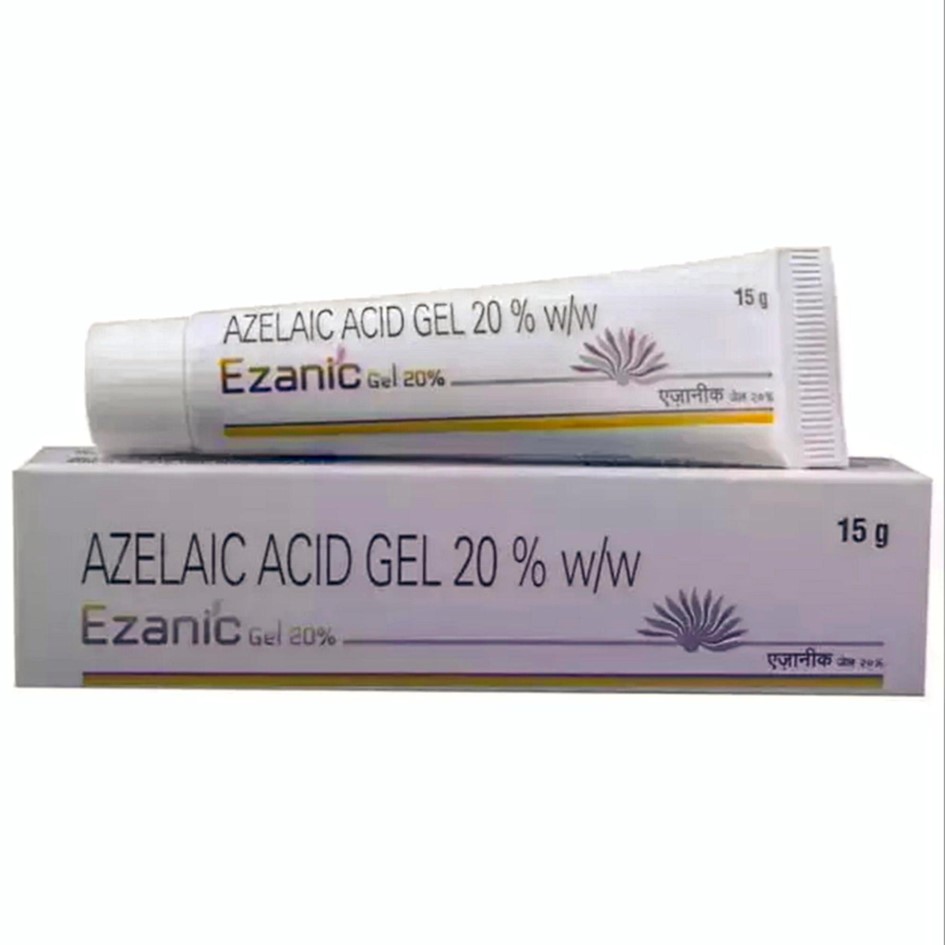
Ezanic Gel 20%
Available Dosages
| SKU | 2738 |
|---|---|
| Generic For | Finacea Gel |
| Manufacturer | Intas Pharma, India |
| Active Ingredient | Azelaic Acid |


Out Of Stock

Ezanic Gel 20% – Finacea Gel Alternative for Acne & Rosacea
Ezanic Gel 20% is a topical formulation designed to help treat various skin disorders such as hyperpigmentation, melasma, acne scars, and uneven skin tone. With its active ingredients, this gel works to lighten dark spots, reduce blemishes, and promote clearer, brighter skin.
The fast-absorbing formula penetrates deep into the skin, targeting pigment-producing cells to gradually restore natural skin color. Regular use helps improve skin texture, reduce discoloration, and enhance overall radiance without causing excessive dryness or irritation when used as directed.
Ezanic 20% gel is a prescription medicine intended for external use. It should be used in the dose and quantity as prescribed by the dermatologist. Ezanic gel contains Azelaic acid as the main active ingredient; it belongs to a class of medicine known as dicarboxylic acids. The topical formulation is also effective in treating mild to moderate rosacea. It is a skin condition that causes redness or blushing on the face (a puss-filled bump with small visible blood vessels).
The working of Azelaic gel
The Azelaic gel has antibacterial properties (including keratolytic and comedolytic) that help remove calluses, warts, and other lesions while preventing blemish formation. This topical gel works by killing the bacteria that promote acne. It clears up bacterial pores, which can cause skin irritation and breakouts. This gel helps heal skin irritation and inflammation when used under prescription for the advised period. Azelaic acid promotes skin renewal by helping to eliminate blackheads and pimples.
Precautions with Azelaic gel
Ezanic gel should not be used if you are allergic to the active component of this drug, i.e., azelaic acid.
Your doctor should know about the medicine, formulations, and supplements you may use to treat your acne or other health problems to avoid drug interactions.
Use products carefully or, preferably, avoid those containing a high amount of alcohol, such as astringents, hair removal products, and shaving cream. Inform your doctor before using this acne gel if you are a pregnant woman or a lactating
Side effects of Azelaic gel
The best way to minimise side effects is to use any medication under the guidance of a doctor. Azelaic acid acne gel can cause certain mild side effects, including skin itching, irritation, burning, redness, dryness, scaling, and skin discolouration. Let your doctor know if any side effects you experience become bothersome or persist longer.
Usage instructions of Azelaic gel
Your dermatologist will guide you with the application dosage and frequency your skin needs. Following the instructions will help achieve the desired results. Below are some common steps to apply Ezanic gel:
- Wash your hands before and after the application of the gel.
- Ensure to clean the acne-affected area with normal water and pat it dry.
- Take a pea-sized or prescribed quantity of this medicine and apply it evenly to the affected area of the skin.
- Gently massage the gel with your fingertips.
- Use this formulation carefully; it should not come into contact with your eyes or the surrounding eye area. Rinse your eyes thoroughly with running water if it is accidentally inserted.
- Don’t use a bandage or dressing on a treatable area.
- You should avoid using makeup or going out in the sun immediately after applying Azelaic gel. Be sure to apply sunscreen to prevent skin irritation if you need to move out.
Using an excessive quantity of this medicine will not help heal acne; instead, it may cause more skin irritation. Apply the prescribed amount of gel for the recommended period to achieve optimal results.
In some cases, the acne condition may worsen before it improves with acne medication; keep using the medicine as instructed. Inform your dermatologist if you find no improvement after four weeks of continuous use. Patients with eczema and sunburned skin should avoid using this gel.
Ezanic 20% gel should not be used in children under 12 years of age and in those who are 18 years or older when used for rosacea. Meet your doctor to learn the best acne medicine for children.
What is Azelaic Acid and what skin conditions does it treat?
Azelaic Acid is a naturally occurring dicarboxylic acid used as a topical dermatological treatment for multiple skin concerns. Ezanic Gel 20% contains this active ingredient and effectively treats acne vulgaris, rosacea, and hyperpigmentation including melasma and post-inflammatory dark spots. This prescription-strength skincare medication works as both an antibacterial agent and a skin-brightening compound. The gel formulation helps reduce inflamed acne lesions, minimizes redness associated with rosacea, and evens out skin tone by targeting excess melanin production. Dermatologists commonly prescribe Azelaic Acid-based treatments like Ezanic Gel for patients seeking clearer, more uniform complexion without harsh side effects.
How does Azelaic Acid work to improve skin conditions?
Azelaic Acid functions through multiple mechanisms to address various dermatological issues. This keratolytic agent normalizes skin cell turnover by preventing pores from becoming clogged with dead skin cells and debris. Ezanic Gel 20% exhibits antimicrobial properties that target Cutibacterium acnes bacteria responsible for inflammatory acne breakouts. Additionally, this tyrosinase inhibitor interferes with melanin synthesis, reducing hyperpigmentation and evening skin tone. The anti-inflammatory action helps calm rosacea-related redness and irritation. Unlike some harsh acne treatments, Azelaic Acid gently exfoliates while simultaneously brightening and clearing the complexion, making it suitable for sensitive skin types seeking comprehensive dermatological improvement.
How long does Ezanic Gel 20% take to show visible results?
Results from Ezanic Gel 20% vary depending on the condition being treated and individual skin response. For acne management, most users notice improvement in inflammatory lesions within four to eight weeks of consistent application. Hyperpigmentation and melasma typically require longer treatment periods, with visible lightening becoming apparent after eight to twelve weeks of regular use. Rosacea patients often experience reduced redness within six to eight weeks. Maximum benefits from this Azelaic Acid treatment usually develop after three to six months of continuous therapy. Patience and consistent application are essential, as this dermatological gel works gradually to deliver sustainable, lasting skin improvements without rapid but temporary effects.
When and how should I apply Ezanic Gel 20% correctly?
Apply Ezanic Gel 20% twice daily, typically morning and evening, to clean, thoroughly dried skin. Wash the affected areas with a mild cleanser, pat completely dry, then apply a thin layer of this Azelaic Acid gel, gently massaging until absorbed. Use only on affected skin areas unless your healthcare provider directs otherwise. Wash hands immediately after application unless treating hands. For facial use, avoid contact with eyes, mouth, and mucous membranes. You may apply moisturizer after the gel has fully absorbed if needed. Consistent application at the same times daily optimizes therapeutic benefits. Always follow your doctor's specific instructions regarding frequency and duration of treatment with this prescription dermatological medication.
Is Ezanic Gel 20% safe for long-term or extended use?
Ezanic Gel 20% is generally considered safe for extended periods when used as directed by a healthcare professional. Unlike some acne treatments that cause long-term side effects, Azelaic Acid maintains a favorable safety profile during prolonged use for chronic conditions like rosacea or persistent hyperpigmentation. This topical dermatological treatment doesn't cause skin thinning, sun sensitivity increases, or antibiotic resistance associated with alternative therapies. Many dermatologists recommend maintenance therapy with Ezanic Gel for months or even years to sustain clear skin results. However, individual circumstances vary, so periodic evaluation ensures the treatment remains appropriate and effective for your specific dermatological needs throughout extended therapy duration.
Can I use Ezanic Gel 20% alongside other skincare products or medications?
Ezanic Gel 20% can typically be combined with other skincare treatments, though timing and product selection matter. This Azelaic Acid formulation generally works well with moisturizers, sunscreens, and gentle cleansers. However, simultaneous application with other topical acne medications containing benzoyl peroxide, retinoids, or alpha-hydroxy acids may increase irritation risk. Space these treatments apart or use at different times of day if combination therapy is recommended. Oral medications rarely interact with topical Ezanic Gel. Avoid abrasive scrubs, astringents, or products containing alcohol while using this dermatological treatment. Your healthcare provider can design an optimal skincare regimen combining Ezanic Gel with complementary products for maximum effectiveness.
How does Ezanic Gel 20% compare to other acne and pigmentation treatments?
Ezanic Gel 20% offers distinct advantages over alternative dermatological treatments for acne, rosacea, and hyperpigmentation. Compared to retinoids, this Azelaic Acid formulation causes less irritation and photosensitivity while delivering comparable acne-clearing results. Unlike hydroquinone for pigmentation, Ezanic Gel poses no long-term safety concerns or rebound hyperpigmentation risks. Versus benzoyl peroxide, it doesn't bleach fabrics or cause excessive dryness. Compared to antibiotic topicals, this medication doesn't contribute to bacterial resistance. The 20% concentration provides prescription-strength efficacy for stubborn skin concerns. While individual responses vary, many dermatologists favor Ezanic Gel for patients seeking effective, well-tolerated treatment addressing multiple skin issues simultaneously without harsh side effects.
Is generic Azelaic Acid as effective as branded products like Ezanic Gel?
Generic Azelaic Acid formulations deliver comparable therapeutic effectiveness to branded products like Ezanic Gel 20% when they contain the same active ingredient concentration and meet pharmaceutical quality standards. Both generic and branded versions must demonstrate bioequivalence, ensuring similar absorption, distribution, and clinical outcomes for treating acne, rosacea, and hyperpigmentation. The primary differences often involve inactive ingredients, texture, or packaging rather than therapeutic potency. Ezanic Gel's specific formulation may offer certain cosmetic elegance advantages regarding spreadability or absorption. Quality generic alternatives provide cost-effective options without sacrificing dermatological benefits. Choosing between generic Azelaic Acid and branded Ezanic Gel often depends on individual skin tolerance, budget considerations, and personal preference rather than efficacy differences.
Why do patients choose PremiumRxDrugs for their Ezanic Gel 20% prescriptions?
Patients consistently choose PremiumRxDrugs for Ezanic Gel 20% because of the pharmacy's commitment to authenticity, affordability, and convenience. As a licensed pharmacy, we guarantee that our Azelaic Acid products are manufacturer-sourced, eliminating concerns about counterfeit medications. Competitive pricing makes prescription dermatological treatments more accessible without compromising quality. The discreet packaging respects privacy when ordering skincare medications, while worldwide shipping with free delivery options serves international customers efficiently. Easy prescription management and reorder systems save time for ongoing acne, rosacea, or hyperpigmentation treatment. With over ten years of serving customers across the USA, UK, Australia, Canada, and beyond, PremiumRxDrugs has earned trust through reliable service and genuine pharmaceutical products at exceptional value.
What are the common side effects of Azelaic Acid topical treatment?
Azelaic Acid typically causes mild, temporary side effects that diminish as skin adjusts to treatment. Common reactions include burning, stinging, or tingling sensations upon application, particularly during initial weeks of use. Some users experience dryness, peeling, or slight redness at application sites. Itching or skin irritation may occur, especially with higher concentrations like the 20% formulation. These dermatological effects are usually transient and manageable. Serious reactions are rare but may include severe skin irritation, worsening of existing conditions, or allergic responses like rash or swelling. Most people tolerate Azelaic Acid well, with side effects decreasing significantly after the adjustment period, allowing continued use for acne, rosacea, or pigmentation concerns.
Who should avoid using Azelaic Acid or use it with caution?
Individuals with known hypersensitivity or allergic reactions to Azelaic Acid should avoid this topical dermatological treatment entirely. People with extremely sensitive skin may need gradual introduction or lower concentrations before using 20% formulations. Pregnant or breastfeeding women should discuss risks and benefits with healthcare providers, though Azelaic Acid is generally considered relatively safe during pregnancy compared to alternative acne treatments. Those with darker skin tones should monitor for hypopigmentation, though this effect is uncommon. Individuals with asthma or respiratory conditions using the gel near facial areas should exercise caution. Anyone with open wounds, eczema, or severe dermatitis on treatment areas should wait until skin heals before applying Azelaic Acid products.
Login
Sign Up
Login
Sign Up