




Natamet 0.05
| SKU | 1425 |
|---|---|
| Generic For | Natadrops |
| Manufacturer | Cipla |
| Active Ingredient | Natamycin |


| Pack Size | Qty | Price Per Pill or Unit | Price | Cart | |
|---|---|---|---|---|---|
| 1 Eye Drop/s | US$ 6.05 | US$ 6.05 | |||
|
|||||
| 3 Eye Drop/s | US$ 3.69 | US$ 11.0739%US$ 18.15 | |||
|
|||||
| 5 Eye Drop/s | US$ 3.69 | US$ 18.4539%US$ 30.25 | |||
|
|||||

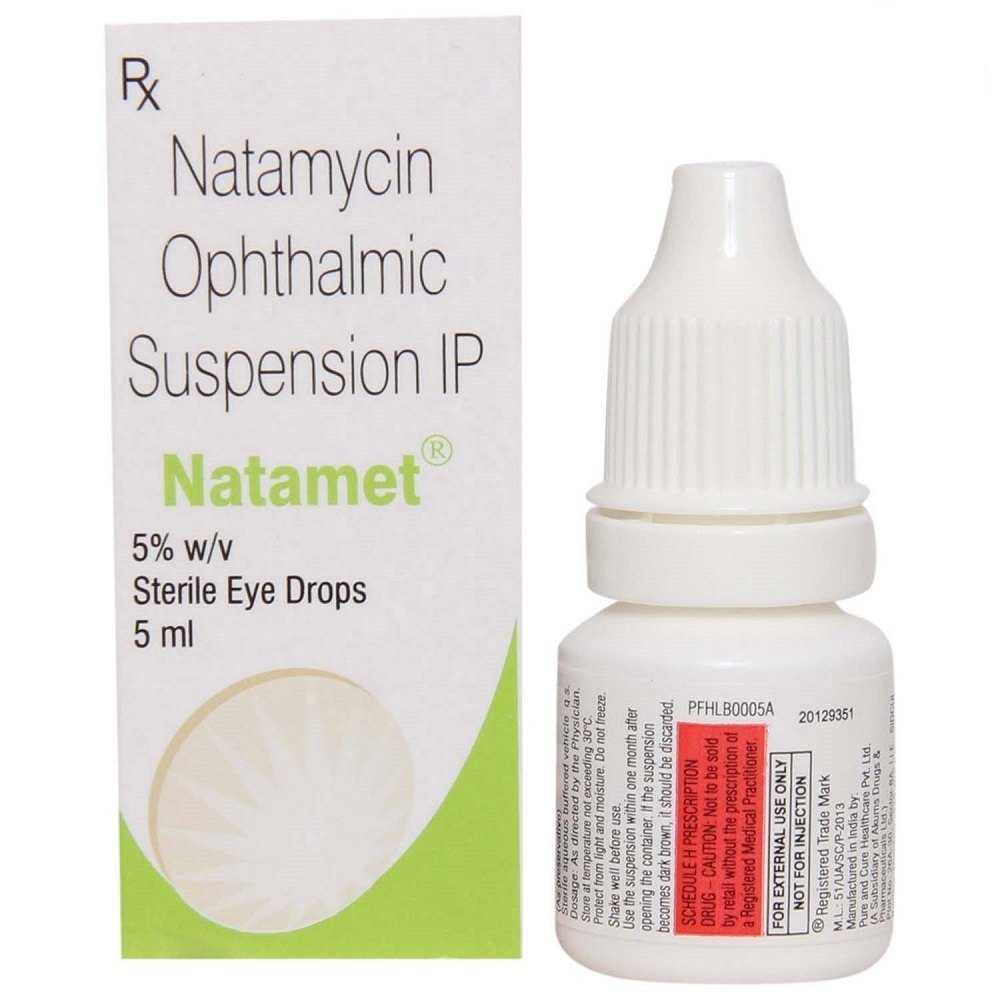
Natamet 0.05 (Natamycin) – Affordable Natadrops Alternative
Natamet 0.05 Eye Drop
Natamet eye drop is an antifungal drug for topical administration. It has Natamycin ophthalmic solution, which kills the fungi that give rise to infection in the eye. Your doctor may recommend Natamet for the treatment of fungal blepharitis, conjunctivitis, and keratitis. You should not use eye medication if you are allergic to it. Being an antifungal drug, Natamycin destroy fungi and stops the growth of fungus that is responsible for causing an eye infection. It helps to relieve a wide range of symptoms, including itching, redness, pain, and soreness.
Precautions
Natamet eye drop is not recommended for individuals with a history of hypersensitivity to Natamycin or any other components. Do not use it if the container is damaged. The eye medication is generally well-tolerated, but in a few people, it may irritate the eye that usually resolves after some time. Speak to your ophthalmologist if the condition does not get better, and the symptoms remain for a longer duration.
Usage Instructions
Your eye specialist will suggest the correct dose and duration of the ocular treatment. Be sure to follow your ophthalmologist’s instructions when it comes to using the eye drops. While using the eye drop, hold the bottle close to your eye, make sure you do not touch the tip of the bottle. Gently squeeze the bottle and place one drop inside your eye. Do not forget to wipe the extra medication around your eye. Pregnant women should discuss the risks and benefits of taking medicine.
Side Effects
Most side effects of Natamet 0.05% eye drop does not require medical attention and resolves on their own. Speak to your doctor if they persist for more than a few days or you are concerned about them. The common side effects are foreign body sensation, eye irritation, increased eye pain, ocular hyperaemia, and medication residue.
What is Natamycin and what eye condition does it treat?
Natamycin is a topical antifungal medication used specifically to treat fungal infections of the eye, particularly fungal keratitis. Natamet 0.05 contains natamycin as its active ingredient and belongs to the polyene antifungal class of medicines. This ophthalmic suspension is particularly effective against fungal eye infections caused by yeasts and filamentous fungi. Eye fungal infections can occur after injury, especially from plant material, or in people who wear contact lenses. Natamycin eye drops work directly at the infection site to eliminate fungal organisms and restore eye health.
How does Natamycin work to clear fungal eye infections?
Natamycin works by binding to sterols in the fungal cell membrane, creating pores that cause essential cell contents to leak out, ultimately killing the fungus. This antifungal eye drop is a polyene antibiotic that specifically targets fungal cells without damaging human cells. Natamet 0.05 delivers the active ingredient directly to the infected corneal tissue where it accumulates at therapeutic concentrations. The medication disrupts fungal growth and reproduction, allowing your immune system to clear the remaining infection. This targeted mechanism makes natamycin particularly effective for treating fungal keratitis and other external eye fungal conditions.
How long does Natamet 0.05 take to show improvement in fungal eye infections?
Most patients notice initial improvement in symptoms like eye redness, pain, and discharge within 3 to 5 days of starting Natamet 0.05 treatment. However, complete resolution of fungal keratitis typically requires 2 to 3 weeks of consistent natamycin therapy, sometimes longer for severe infections. The exact timeframe depends on infection severity, the specific fungal organism involved, and how quickly treatment began. Some patients may need to continue this antifungal eye medication for several weeks even after symptoms improve to fully eradicate the fungal infection and prevent recurrence.
When and how should I use Natamet 0.05 eye drops correctly?
Natamet 0.05 is typically instilled as one drop into the affected eye every 1 to 2 hours initially for severe fungal infections, then reduced to one drop 6 to 8 times daily as the condition improves. Shake the natamycin suspension bottle well before each use, tilt your head back, pull down your lower eyelid, and apply the drop without touching the dropper to your eye. Avoid wearing contact lenses during antifungal treatment. Your eye doctor will provide specific dosing instructions based on your fungal keratitis severity and treatment response.
Is Natamet 0.05 safe to use for extended periods?
Natamet 0.05 is generally safe for the duration needed to fully treat fungal eye infections, which may extend several weeks or occasionally months in persistent cases. This topical antifungal medication has minimal systemic absorption, reducing risks associated with long-term use. However, extended natamycin therapy requires regular monitoring by your eye care specialist to assess treatment progress and check for any corneal changes. Unlike some antifungal medicines, natamycin eye drops are well-tolerated for prolonged treatment periods when fungal keratitis proves stubborn or refractory to initial therapy.
Can I use Natamet 0.05 with other eye drops or medications?
Natamet 0.05 can generally be used alongside other eye medications, but proper spacing is essential for effectiveness. If using multiple eye drops, wait at least 5 to 10 minutes between different medications to prevent dilution of the natamycin suspension. This antifungal eye treatment may be prescribed with antibacterial drops if bacterial co-infection is suspected, or with anti-inflammatory medicines once the fungal infection is controlled. Always inform your healthcare provider about all medications you're using, including over-the-counter eye drops, as some combinations may affect how well natamycin works against fungal keratitis.
How does Natamet 0.05 compare to other antifungal eye medications?
Natamet 0.05 is considered the gold standard first-line treatment for fungal keratitis, particularly for filamentous fungal infections. Unlike systemic antifungals like fluconazole or voriconazole which are taken orally, natamycin is applied topically, delivering high concentrations directly to the corneal infection site with minimal body-wide effects. Compared to compounded antifungal eye preparations, commercially available Natamet 0.05 offers consistent concentration and stability. While amphotericin B eye drops may be used for certain yeast infections, natamycin demonstrates superior efficacy against most fungal eye pathogens with better corneal penetration and fewer side effects.
Is generic Natamycin as effective as branded eye drop versions?
Generic natamycin ophthalmic suspensions contain the same active antifungal ingredient at the same 0.05% concentration as branded versions like Natamet, making them equally effective for treating fungal keratitis. Regulatory authorities require generic formulations to meet identical standards for purity, potency, and therapeutic performance as brand-name products. The primary differences lie in inactive ingredients, packaging, and price rather than antifungal efficacy. Both generic and branded natamycin eye drops work through the same mechanism to eliminate fungal eye infections, delivering comparable clinical outcomes when used as directed for fungal corneal conditions.
Why do patients choose PremiumRxDrugs for ordering Natamet 0.05?
Patients select PremiumRxDrugs for Natamet 0.05 because of competitive pricing on both branded and generic natamycin formulations, often significantly lower than local pharmacy costs. As a licensed pharmacy, we have been exclusively supplying manufacturer-sourced antifungal eye medications, eliminating counterfeit risks. Customers appreciate the convenient prescription management system that simplifies reordering this specialised fungal keratitis treatment. With discreet packaging and reliable worldwide shipping, including free delivery options, patients across the USA, UK, Australia, and Canada receive their natamycin eye drops conveniently at home. Over a decade of trusted service makes PremiumRxDrugs a preferred source for specialised ophthalmic antifungal medications.
What are the common side effects of Natamycin eye drops?
Common side effects of natamycin include temporary eye irritation, mild stinging or burning upon application, and increased tearing immediately after instilling the drops. Some patients experience slight blurred vision for a few minutes after using this antifungal eye medication, which typically resolves quickly. Eye redness and sensitivity to light may occur but usually diminish as treatment continues. These polyene antifungal drops can occasionally cause eyelid swelling or a feeling of something in the eye. Most side effects are mild and transient, resolving without intervention as your eye adjusts to the medication.
Who should avoid using Natamycin antifungal eye drops?
People with known hypersensitivity or allergic reactions to natamycin or any polyene antifungal agents should avoid this medication. Those with non-fungal eye infections, such as bacterial or viral keratitis, should not use natamycin as it only treats fungal conditions and won't address other pathogens. Pregnant or breastfeeding women should discuss risks and benefits with their healthcare provider before using this antifungal eye treatment, though topical application results in minimal systemic absorption. Contact lens wearers must remove lenses before application and avoid wearing them during fungal infection treatment to prevent worsening the condition.
Login
Sign Up
Login
Sign Up