




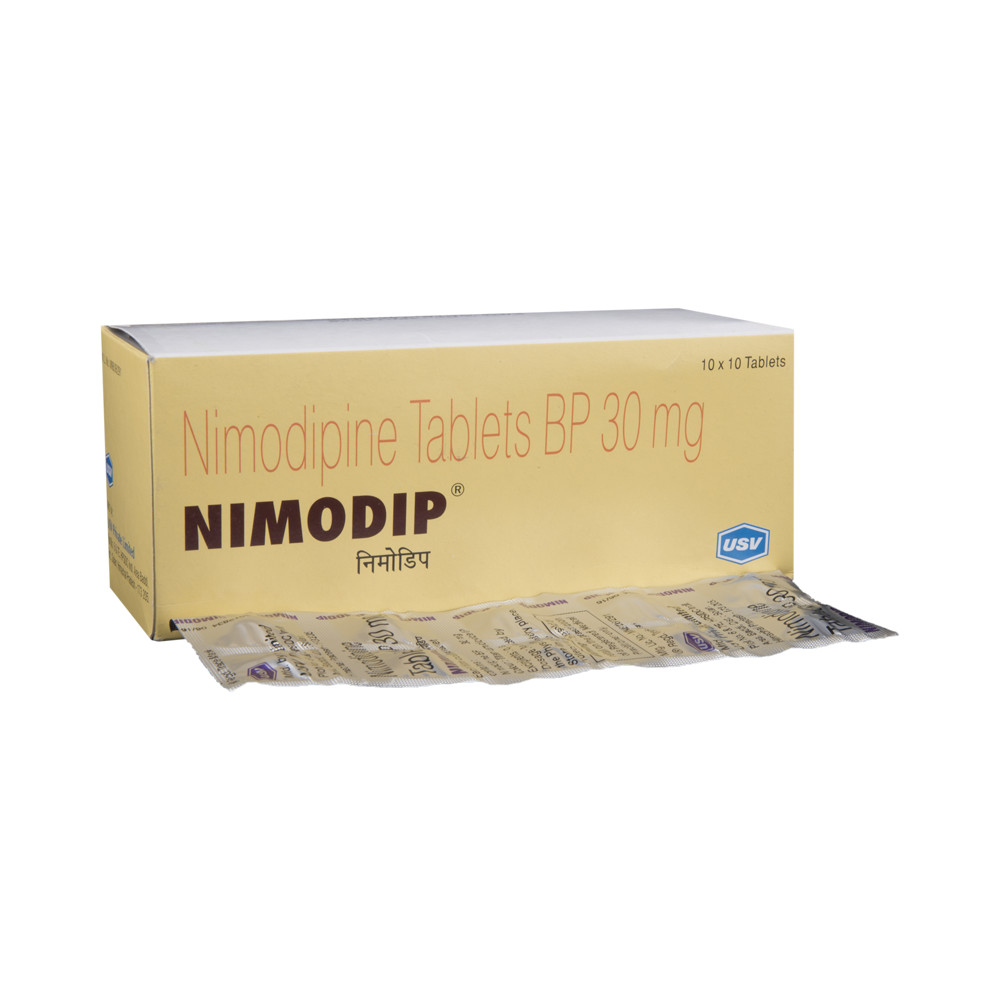
Nimodip 30mg
| SKU | 2653 |
|---|---|
| Generic For | Nimotop |
| Manufacturer | USV Pvt Ltd |
| Active Ingredient | Nimodipine |


| Pack Size | Qty | Price Per Pill or Unit | Price | Cart | |
|---|---|---|---|---|---|
| 30 Tablet/s | US$ 0.90 | US$ 27.00 | |||
|
|||||
| 60 Tablet/s | US$ 0.83 | US$ 50.007%US$ 54.00 | |||
|
|||||
| 90 Tablet/s | US$ 0.73 | US$ 66.0019%US$ 81.00 | |||
|
|||||

Nimodip 30mg (Nimodipine) – Affordable Nimotop Alternative
Nimodip 30 mg
Nimodip is available as a tablet containing 30mg of Nimodipine, a calcium channel blocker agent that benefits patients with subarachnoid haemorrhage (SAH). SAH is an uncommon type of stroke caused by head injury/trauma. It is considered fat as it causes bleeding on the surface of the brain. There are usually no warning signs, but SAH may sometimes occur during intense physical activity such as going to the toilet, coughing, having sex, or lifting something. The main symptoms include a stiff neck, a sudden severe headache, blurred vision, sensitivity to light, and loss of consciousness. Nimodipine increases cerebral blood flow (blood flow to the brain) and prevents damage to the brain.
How to use Nimodip 30 mg?
Begin treatment with Nimodip 30 as soon as your doctor has confirmed bleeding in your brain. Your doctor will decide the exact dose and frequency of the medicine based on your condition. You can take the tablet on an empty stomach or with a meal. But make sure you take it regularly as prescribed by your doctor. Do not miss doses; if you do, immediately inform your doctor. Avoid antacids for two hours before or after taking Nimodip tablets to prevent drug interaction. Consult your doctor first if you wish to stop the treatment due to any reason.
What precautions should be taken?
In patients with high blood pressure who are receiving antihypertensive drugs, Nimodipine can potentiate the blood pressure-lowering effect of the concomitant drug. Before Considering Nimodip, Let your doctor know if you have heart or liver-related conditions. Some other medicines may affect Nimodipine’s actions, especially medicines used to treat high blood pressure, seizures, or heart conditions. Please, inform your doctor of all the medicines you take to ensure the safe use of medicines.
What are the side effects of Nimodip 30 mg?
The most common side effects of Nimodip include increased heart rate, stomach discomfort, rash, muscle cramp, edema, nausea, and decreased blood pressure. Speak to your doctor if any of these become serious or do not disappear.
What is Nimodipine and what condition does it treat?
Nimodipine is a calcium channel blocker primarily prescribed to prevent brain damage following a subarachnoid hemorrhage, which is bleeding around the brain caused by a ruptured aneurysm. Nimodip 30mg contains nimodipine as its active ingredient and works by improving blood flow to brain tissue. This cerebral vasodilator helps reduce the risk of neurological complications and delayed ischemic deficits after brain bleeding events. The medication is specifically designed to protect brain cells during the critical recovery period following this type of stroke, making it an essential therapeutic agent in neurocritical care settings.
How does Nimodipine work in the body?
Nimodipine functions by selectively blocking calcium channels in blood vessel walls, particularly those surrounding the brain. When calcium enters smooth muscle cells in cerebral arteries, it causes them to contract and narrow. Nimodip 30mg prevents this calcium influx, allowing brain blood vessels to relax and dilate. This calcium antagonist action increases cerebral blood flow and oxygen delivery to vulnerable brain tissue after subarachnoid hemorrhage. By maintaining adequate circulation during the critical period following brain bleeding, nimodipine helps prevent vasospasm—a dangerous narrowing of arteries that can lead to further brain damage and stroke complications.
How long does Nimodip 30mg take to work?
Nimodip 30mg begins working within one to two hours after oral administration, with peak blood concentrations typically occurring around this timeframe. However, the full protective benefits of this calcium channel blocker develop gradually over the course of treatment. For subarachnoid hemorrhage patients, nimodipine therapy usually continues for 21 consecutive days to provide ongoing neuroprotection during the critical vasospasm risk period. While the medication starts affecting cerebral blood flow relatively quickly, its cumulative protective effect against delayed brain injury builds throughout the complete treatment course. Consistent dosing every four hours maintains therapeutic levels for optimal brain protection.
When and how should I take Nimodip 30mg?
Nimodip 30mg should be taken every four hours, resulting in six doses daily, preferably on an empty stomach at least one hour before or two hours after meals. Swallow the capsules whole with water—never crush, chew, or open them. This calcium channel blocker must be taken orally only; intravenous administration can cause serious complications. Maintain consistent timing between doses to keep steady medication levels protecting your brain. If you miss a dose, take it as soon as possible unless it's nearly time for the next scheduled dose. Always follow your neurologist's specific instructions, as treatment typically begins within 96 hours of subarachnoid hemorrhage and continues for three weeks.
Is Nimodip 30mg safe for long-term use?
Nimodip 30mg is specifically designed for short-term use rather than extended therapy. The standard treatment protocol for this cerebral vasodilator involves 21 consecutive days of administration following subarachnoid hemorrhage. Clinical studies establishing nimodipine's safety and effectiveness focused on this three-week duration. Unlike some calcium channel blockers used chronically for blood pressure control, Nimodip serves a targeted neuroprotective purpose during the acute recovery phase after brain bleeding. There is limited data on prolonged use beyond the recommended period. The medication has demonstrated a favorable safety profile when used as directed during the critical post-hemorrhage timeframe, making it the gold-standard preventive treatment for cerebral vasospasm.
Can I take Nimodip 30mg with other medicines?
Nimodip 30mg can interact with several medication classes, requiring careful management. This calcium channel blocker may have enhanced blood-pressure-lowering effects when combined with antihypertensives or other cardiovascular drugs. Strong CYP3A4 inhibitors like certain antibiotics, antifungals, and grapefruit juice can increase nimodipine levels, while enzyme inducers may reduce effectiveness. Medications affecting heart rhythm warrant particular caution. Always inform your healthcare team about all prescription medicines, over-the-counter products, herbal supplements, and vitamins you're taking. Given that patients receiving Nimodip typically require multiple medications during subarachnoid hemorrhage treatment, your medical team will monitor for interactions and adjust therapy accordingly to ensure safe, effective neuroprotection.
How does Nimodip 30mg compare to similar medicines in its class?
Nimodip 30mg stands apart from other calcium channel blockers due to its unique selectivity for cerebral blood vessels. While medications like amlodipine, nifedipine, and diltiazem primarily treat hypertension and heart conditions, nimodipine demonstrates preferential action on brain vasculature. This cerebral-selective calcium antagonist has become the only calcium channel blocker specifically indicated for preventing neurological damage after subarachnoid hemorrhage. Other medications in this drug class lack sufficient evidence for neuroprotection in brain bleeding scenarios. Clinical trials consistently show nimodipine reduces poor outcomes following aneurysmal subarachnoid hemorrhage, establishing it as standard neurological care rather than a cardiovascular medication, which differentiates Nimodip from its pharmaceutical relatives.
Is the generic Nimodipine as effective as branded versions?
Generic nimodipine delivers the same therapeutic effectiveness as branded formulations like Nimodip 30mg because they contain identical active ingredients at equivalent strengths. Regulatory authorities in the USA, UK, Canada, and Australia require generic medicines to meet strict bioequivalence standards, ensuring they work identically in the body. This calcium channel blocker's neuroprotective benefits depend on the nimodipine molecule itself, not the brand name on the package. Generic versions undergo rigorous testing to confirm they release the active pharmaceutical ingredient at the same rate and extent as original products. Whether you choose branded Nimodip or generic nimodipine, you receive the same proven protection against cerebral vasospasm following subarachnoid hemorrhage.
Why do patients choose PremiumRxDrugs for Nimodip 30mg?
Patients select PremiumRxDrugs for Nimodip 30mg because of the combination of pharmaceutical authenticity, competitive pricing, and reliable service spanning more than ten years. As a licensed pharmacy, we source nimodipine directly from manufacturers, ensuring every calcium channel blocker capsule meets quality standards. International patients across the USA, UK, Australia, and Canada appreciate the discreet packaging and dependable worldwide delivery with free shipping options. The platform's easy prescription management and straightforward reorder process particularly benefits patients requiring the full 21-day treatment course. Beyond competitive prices on both branded and generic cerebral vasodilators, customers value the pharmacy's established reputation and commitment to supplying genuine medications for serious neurological conditions like subarachnoid hemorrhage recovery.
What are the common side effects of Nimodipine?
Common side effects of nimodipine include decreased blood pressure, headache, dizziness, and nausea. Some patients experience flushing, sweating, or a sensation of warmth as this calcium channel blocker dilates blood vessels. Gastrointestinal symptoms like diarrhea or abdominal discomfort may occur. Since nimodipine lowers blood pressure, lightheadedness when standing up quickly can happen. Most side effects are mild to moderate and often diminish as treatment continues. Rapid heart rate is occasionally reported as the body compensates for blood pressure changes. Given that patients taking this cerebral vasodilator are recovering from subarachnoid hemorrhage, distinguishing medication side effects from underlying condition symptoms requires medical evaluation.
Who should avoid taking Nimodipine?
Nimodipine should be avoided by individuals with known hypersensitivity to this calcium channel blocker or other dihydropyridine medications. Patients with severe hypotension or unstable blood pressure require careful evaluation before starting this cerebral vasodilator. Those with significant aortic stenosis or other obstructive cardiovascular conditions may face increased risks. Pregnant or breastfeeding women need medical assessment of benefits versus potential risks. Individuals with severe liver dysfunction may require dose adjustments or alternative treatments since nimodipine undergoes hepatic metabolism. Anyone taking strong CYP3A4 inhibitors should discuss potential interactions. While nimodipine specifically treats subarachnoid hemorrhage complications, certain underlying health conditions necessitate cautious prescribing or alternative neuroprotective strategies.
Login
Sign Up
Login
Sign Up