




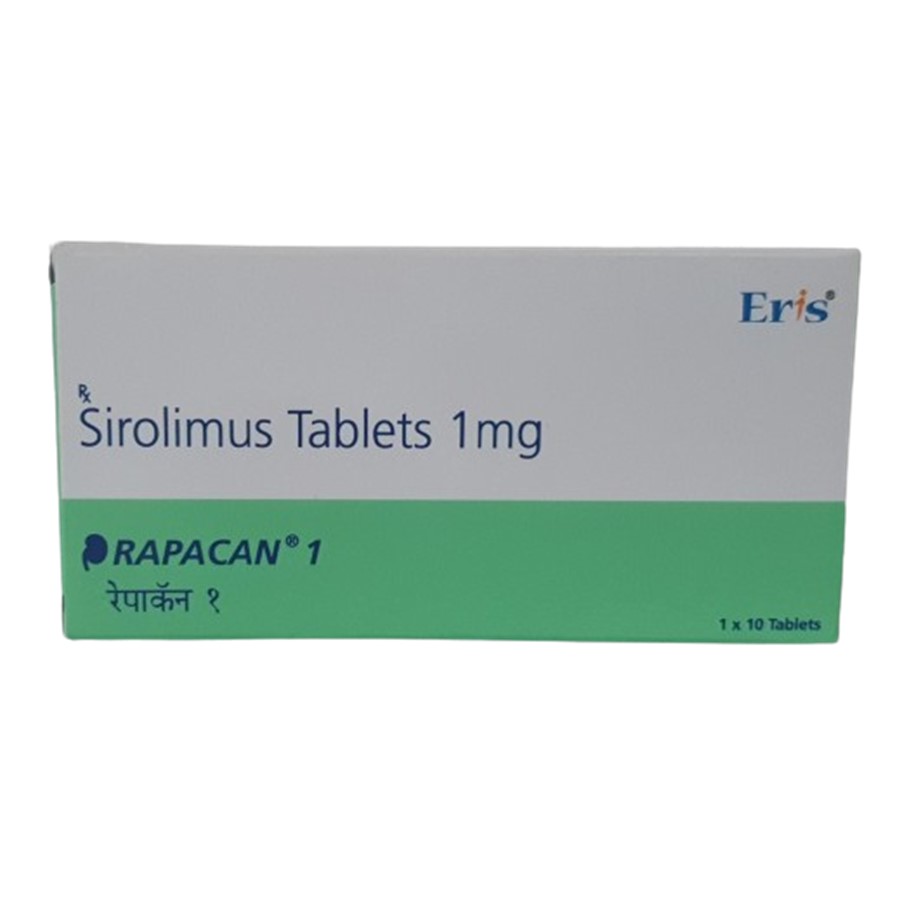
Rapacan 1mg
| SKU | 1009 |
|---|---|
| Generic For | Rapamune |
| Strength | 1 mg |
| Manufacturer | SWISS GARNIER LIFE SCIENCES, HP, INDIA |
| Active Ingredient | Sirolimus |


| Pack Size | Qty | Price Per Pill or Unit | Price | Cart | |
|---|---|---|---|---|---|
| 30 Tablet/s | US$ 3.52 | US$ 105.5755%US$ 234.61 | |||
|
|||||
| 60 Tablet/s | US$ 3.52 | US$ 211.1455%US$ 469.21 | |||
|
|||||
| 90 Tablet/s | US$ 3.05 | US$ 274.4961%US$ 703.83 | |||
|
|||||

Rapacan 1mg (Sirolimus) – Affordable Rapamune Alternative
Rapacan 1 mg is an immunosuppressant medicine containing Sirolimus as an active ingredient. It is a prescription medicine used to prevent organ rejection in patients 13 years of age and older who have received a kidney transplant. Rejection occurs when your immune system recognizes the newly transplanted organ as a threat and attacks it. Sirolimus helps to control your body’s immune system after you have received an organ transplant. Your doctor may prescribe it to stop your body from rejecting transplanted kidneys and is normally used with other immunosuppressants called corticosteroids and initially with cyclosporin. Close monitoring is recommended for all patients receiving Rapacan tablets.
People with the following conditions should first discuss using Rapacan 1 mg tablets with their doctors:
- Hypersensitivity to Sirolimus or any of its ingredients.
- Existing liver problems.
- Paediatric patients
- Pregnant women, or those who are planning to become pregnant or breastfeeding
Side effects of Rapacan 1 mg
Possible side effects of Rapacan 1 mg tablet include fatigue, diarrhoea, constipation, headache, low blood platelets, low red blood cells, increased fat in the blood, rapid heart rate, fluid collection in the abdomen, renal insufficiency, protein in the urine, reduced number of infection-fighting cells in the blood, mouth sores, rash, and abnormal tests of the liver. The anti-rejection drug can reduce the body’s defence mechanism, and consequently, the body will not be as good at fighting against infections.
The dose of Rapacan 1mg should be given consistently before or after consuming food to ensure that the same amount of active ingredient (Sirolimus) is absorbed by the body with each dose. You should take this medicine exactly as your doctor has recommended you, and you should check with your doctor if you still do not understand the usage instructions. The anti-rejection drug is for oral use only. Do not break or crush the tablet. Inform your doctor right away if you have a problem swallowing the pill.
What is Sirolimus and what condition does it treat?
Sirolimus is an immunosuppressant medication primarily used to prevent organ rejection in patients who have received kidney transplants. Available as Rapacan 1mg among other brands, this prescription medicine works by suppressing the immune system to stop the body from attacking the newly transplanted organ. Sirolimus belongs to a class of drugs called mTOR inhibitors and is sometimes used off-label for certain rare diseases involving abnormal cell growth. This immunosuppressive agent helps transplant recipients maintain their new kidney by reducing the immune response that would otherwise recognize the organ as foreign tissue.
How does Sirolimus work in the body?
Sirolimus functions by blocking a specific protein called mTOR (mechanistic target of rapamycin) inside immune cells. By inhibiting this protein, Rapacan 1mg prevents T-lymphocytes and other immune cells from multiplying and attacking transplanted organs. Unlike some older immunosuppressants that work through different pathways, this mTOR inhibitor offers a targeted approach to immune suppression. The medication reduces the production of antibodies and slows the activation of immune responses, creating an environment where the transplanted kidney can integrate successfully. This mechanism makes sirolimus an essential component of post-transplant anti-rejection therapy for many patients worldwide.
How long does Rapacan 1mg take to work?
Rapacan 1mg begins working within hours of the first dose, but achieving optimal therapeutic blood levels of sirolimus typically takes several days to two weeks. For transplant patients, this immunosuppressant medication requires careful monitoring through regular blood tests to ensure concentrations remain in the effective range. The full protective effect against organ rejection develops gradually as the drug accumulates to steady-state levels in your system. Most doctors will adjust your dosage based on these blood level results during the first few weeks. The timing varies between individuals depending on metabolism, other medications, and overall health status.
When and how should I take Rapacan 1mg?
Take Rapacan 1mg exactly as prescribed by your transplant specialist, typically once daily at the same time each day for consistent blood levels. Swallow the tablet whole with water, either consistently with food or consistently without food—maintaining the same routine matters more than the choice itself. This immunosuppressant works best when taken at evenly spaced intervals, so setting a daily alarm can help. If you miss a dose and it's within 12 hours of your scheduled time, take it immediately; otherwise, skip it and resume your normal schedule. Never double up on sirolimus doses, and consult your healthcare provider about any medications or supplements before combining them.
Is Rapacan 1mg safe for long-term use?
Rapacan 1mg is specifically designed for long-term use in transplant recipients who require ongoing immunosuppression to protect their new kidney. Clinical studies spanning many years demonstrate that sirolimus can be taken safely for extended periods when properly monitored through regular blood tests and medical checkups. Your transplant team will track kidney function, cholesterol levels, and blood cell counts to catch any potential issues early. While this mTOR inhibitor does require vigilant medical supervision, millions of transplant patients worldwide have used it successfully for years or even decades. The benefits of preventing organ rejection typically outweigh the risks when managed by experienced specialists.
Can I take Rapacan 1mg with other medicines?
Rapacan 1mg can interact with numerous medications, so disclosure of all drugs and supplements to your doctor is essential. This immunosuppressant is metabolized by liver enzymes that many other medicines also use, potentially increasing or decreasing sirolimus levels dangerously. Common problematic combinations include certain antibiotics, antifungals, blood pressure medications, and grapefruit products which significantly alter how your body processes the drug. Some transplant patients take Rapacan alongside other immunosuppressive agents as part of combination therapy. Your pharmacist and transplant team will review your complete medication list to prevent harmful drug interactions and adjust dosages accordingly.
How does Rapacan 1mg compare to similar medicines in its class?
Rapacan 1mg contains sirolimus, an mTOR inhibitor that differs from calcineurin inhibitors like tacrolimus and cyclosporine commonly used in transplant medicine. While those older immunosuppressants can be harder on kidney function, sirolimus-based medications like Rapacan may offer kidney-sparing benefits for some patients. However, this anti-rejection drug tends to affect wound healing and cholesterol levels more than alternatives. Everolimus is a related mTOR inhibitor with a similar mechanism but shorter half-life. The choice between these immunosuppressive agents depends on individual patient factors, transplant type, and how well someone tolerates each medication's specific side effect profile.
Is generic Sirolimus as effective as branded versions like Rapacan?
Generic sirolimus formulations must meet strict regulatory standards proving bioequivalence to branded versions like Rapacan 1mg, meaning they deliver the same active ingredient at the same rate and concentration in your bloodstream. Regulatory agencies in the USA, UK, Canada, and Australia require generic immunosuppressants to perform identically to brand-name products. Many transplant patients successfully use generic sirolimus with excellent outcomes and significant cost savings. That said, some transplant specialists prefer patients remain on the same manufacturer's version consistently rather than switching between brands or generics, as even minor variations could theoretically affect blood levels of this narrow therapeutic index medication.
Why do patients choose PremiumRxDrugs for Rapacan 1mg?
Transplant patients select PremiumRxDrugs for Rapacan 1mg because the pharmacy combines competitive pricing on immunosuppressant medications with reliability that matters for life-sustaining drugs. Having served customers for over a decade as a licensed platform, we have built trust through consistent delivery of authentic sirolimus and other anti-rejection medicines. The pharmacy offers both branded Rapacan and generic alternatives, giving patients cost-effective options without compromising quality. Convenient prescription management tools help ensure you never run out of this critical medication, while discreet worldwide shipping reaches patients across multiple countries. The combination of affordability, authenticity guarantees, and dependable service makes PremiumRxDrugs a practical choice for ongoing transplant medication needs.
What are the common side effects of Sirolimus?
Common side effects of sirolimus include elevated cholesterol and triglyceride levels, swelling in the legs or ankles, acne or other skin problems, diarrhea, and increased susceptibility to infections due to immune suppression. Some patients experience delayed wound healing, mouth sores, joint pain, or headaches while taking this mTOR inhibitor. Blood test abnormalities such as low red blood cell count (anemia) or low platelet levels may occur. Most side effects are manageable with dose adjustments or supportive treatments. Serious but less common reactions include lung inflammation and severe infections. Regular monitoring by your transplant team helps detect and address these issues early while maintaining the immunosuppressive protection your transplanted organ requires.
Who should avoid taking Sirolimus?
Sirolimus is contraindicated in patients with known hypersensitivity to the drug or its components. Pregnant women should avoid this immunosuppressant as it can harm fetal development; effective contraception is essential for women of childbearing potential. Breastfeeding mothers should not take sirolimus since it passes into breast milk. People with active, uncontrolled infections may need to postpone starting this medication until the infection resolves. Those with severe liver impairment require careful evaluation before using this mTOR inhibitor. Patients with rare hereditary problems affecting lactose metabolism should discuss alternatives. Anyone scheduled for surgery should inform their surgeon, as sirolimus significantly affects wound healing and may require temporary dosage adjustments around procedures.
Login
Sign Up
Login
Sign Up