




Asthalin HFA Inhaler 100mcg (200mdi)
Available Dosages
| Description |
|
|---|---|
| SKU | 911 |
| Generic For | Albuterol |
| Strength | 100 mcg (200 mdi) Inhaler |
| Active Ingredient | Salbutamol |


| Pack Size | Qty | Price Per Pill or Unit | Price | Cart | |
|---|---|---|---|---|---|
| 1 Inhaler | US$ 9.50 | US$ 9.50 | |||
|
|||||
| 3 Inhaler/s | US$ 8.33 | US$ 25.00 | |||
|
|||||
| 6 Inhaler/s | US$ 8.33 | US$ 50.004%US$ 52.11 | |||
|
|||||

Asthalin Inhaler 100m mcg is a widely prescribed bronchodilator that provides rapid relief from breathing difficulties associated with asthma and other respiratory conditions. Powered by salbutamol, a short-acting beta-agonist (SABA), this inhaler works quickly to open up the airways, making breathing easier within minutes. It is commonly used as a “rescue inhaler” for sudden asthma symptoms such as wheezing, chest tightness, and shortness of breath. This inhaler is especially beneficial for individuals who require immediate relief during asthma attacks or experience exercise-induced bronchospasm. With its fast-acting formula and easy-to-use design, Asthalin Inhaler has become a trusted solution for effectively managing respiratory distress.
What is an Asthalin inhaler?
Asthalin Inhaler contains salbutamol sulfate, a bronchodilator. It is specifically formulated for asthma to relax airway muscles, allowing them to widen and facilitate smooth airflow into the lungs. This makes it an essential medication for people who have asthma and related respiratory conditions. Asthma is a chronic condition characterised by inflammation and airway narrowing. An Asthalin inhaler (salbutamol) plays a critical role in managing acute symptoms by providing immediate relief. While it does not cure asthma, it helps effectively control sudden flare-ups. For long-term asthma management, it is often used alongside maintenance medications such as corticosteroid inhalers. The inhaler delivers a precise dose directly into the lungs, ensuring rapid onset of action and minimising systemic side effects. Each puff typically contains a measured dose of salbutamol, making it convenient and reliable for on-the-go relief.
Life with Asthma: Always carry your inhaler. Avoid known triggers such as dust and smoke. Follow your doctor’s treatment plan. Monitor your symptoms regularly. Maintain a healthy lifestyle. Using an Asthalin Inhaler correctly and consistently can significantly improve the quality of life for asthma patients.
Salbutamol – The active ingredient and working mechanism
Salbutamol, the active ingredient in Asthalin, relaxes the muscles in the airways, making breathing easier. It does this by binding to β2-adrenergic receptors in the lungs. When these receptors are activated, they increase the level of a substance called cAMP inside the cells, which helps the muscles around the airways relax. This relaxation widens the air passages, allowing air to flow freely. Salbutamol also reduces the release of certain chemicals that can cause airway swelling or tightness. Because of this action, it works quickly and effectively at the cellular level to open the lungs.
Salbutamol inhaler – Brand vs generic
Albuterol, among others, is a branded version of salbutamol inhalers, whereas Asthalin is a generic form offering equivalent quality, consistent dosing, and proven effectiveness as the brand does. Cipla Ltd. manufactures Asthalin.
Asthalin vs preventive inhalers: Asth alin is a rescue inhaler used for immediate relief, whereas preventive inhalers are used daily to reduce inflammation and prevent symptoms.
Asthalin vs combination inhalers:
Combination inhalers contain both bronchodilators and steroids, offering long-term control. Asthalin, on the other hand, is used for quick symptom relief.
Key uses of the Asthalin inhaler
Asthalin Inhaler is prescribed for a variety of respiratory conditions, including asthma (acute and chronic management), chronic obstructive pulmonary disease (COPD), prevention and treatment of bronchospasm, exercise-induced bronchospasm, and allergic airway reactions. It is primarily used as a rescue medication rather than a long-term controller therapy.
How does the Asthalin inhaler work?
Asthalin Inhaler works by stimulating beta-2 adrenergic receptors in the lungs. When these receptors are activated, the smooth muscles surrounding the bronchial tubes relax, widening the airways. This process is known as bronchodilation. By opening the airways, the inhaler quickly reduces symptoms such as wheezing, breathlessness, chest tightness, and persistent coughing. The effects of Asthalin Inhaler can typically be felt within a few minutes, making it highly effective for emergencies where immediate relief is needed.
Key benefits of the Asthalin inhaler
- Rapid relief from asthma symptoms: Asthalin Inhaler is known for its quick onset of action. It starts working within minutes, making it ideal for sudden asthma attacks or acute breathing difficulties.
- Effective bronchodilation: The active ingredient helps relax airway muscles, allowing better airflow and improved oxygen intake.
- Convenient and portable: Its compact design makes it easy to carry, ensuring you have access to relief anytime and anywhere.
- Suitable for multiple respiratory conditions: In addition to asthma, it is also used for managing COPD and exercise-induced bronchospasm.
- Targeted drug delivery: The inhalation method ensures the medication reaches directly into the lungs, reducing the risk of systemic side effects.
Warning and safety with the salbutamol inhaler
Before using Asthalin Inhaler, make sure you inform your doctor if you have heart conditions. Use cautiously in patients with hypertension. Avoid overuse, as it may reduce effectiveness. It is not recommended for prolonged use without a prescription. Pregnant and breastfeeding women should consult a healthcare provider before use.
Drug interactions: Asthalin Inhaler may interact with certain medications, including beta-blockers, diuretics, antidepressants, and other bronchodilators. Always inform your doctor about all medications you are currently taking to avoid potential interactions.
Side effects of the salbutamol inhaler
While Asthalin Inhaler is generally well tolerated, some users may experience mild side effects such as tremors, headache, increased heart rate, and throat irritation. These side effects are usually temporary and resolve on their own. However, if symptoms persist or worsen, seek medical advice.
An authentic place to buy asthma medicine online
Buy Asthalin inhaler 100 mcg online for fast relief from asthma and breathing difficulties. You can buy an asthma inhaler online safely from trusted pharmacies. Platforms like PremiumRxDrugs allow you to upload your prescription, select the correct inhaler type and dosage, and have it delivered directly to your doorstep. Always ensure the website is secure (HTTPS) and offers authentic products. Avoid unverified sellers to prevent the sale of counterfeit medications. Purchasing online provides convenience, discreet delivery, and access to a wide range of inhalers, including branded options such as Asthalin and generic salbutamol inhalers, under medical guidance.
Administration methods of the salbutamol inhaler
Asthmalin Inhaler is suitable for those with frequent asthma attacks, sudden shortness of breath, wheezing, chest tightness, and breathing issues triggered by allergens or exercise. It is commonly prescribed for both adults and children under medical supervision.
The strength and dosage of Asthalin Inhaler depend on the severity of the condition and the patient’s medical history. Generally, for adults and children, 1–2 puffs as needed for relief. Before exercise, 1–2 puffs taken 15–30 minutes prior. To use the inhaler correctly, first shake it well before use. Remove the cap and exhale fully. Place the mouthpiece between your lips. Press the inhaler while inhaling deeply. Hold your breath for 5–10 seconds. Exhale slowly. Proper technique ensures the medication's maximum effectiveness.
Storage instructions: To maintain the effectiveness of Asthalin Inhaler. Store at room temperature. Keep away from direct sunlight and heat. Do not puncture or burn the canister. Keep out of reach of children. Proper storage ensures the inhaler remains safe and effective throughout its shelf life.
What is Salbutamol and what condition does it treat?
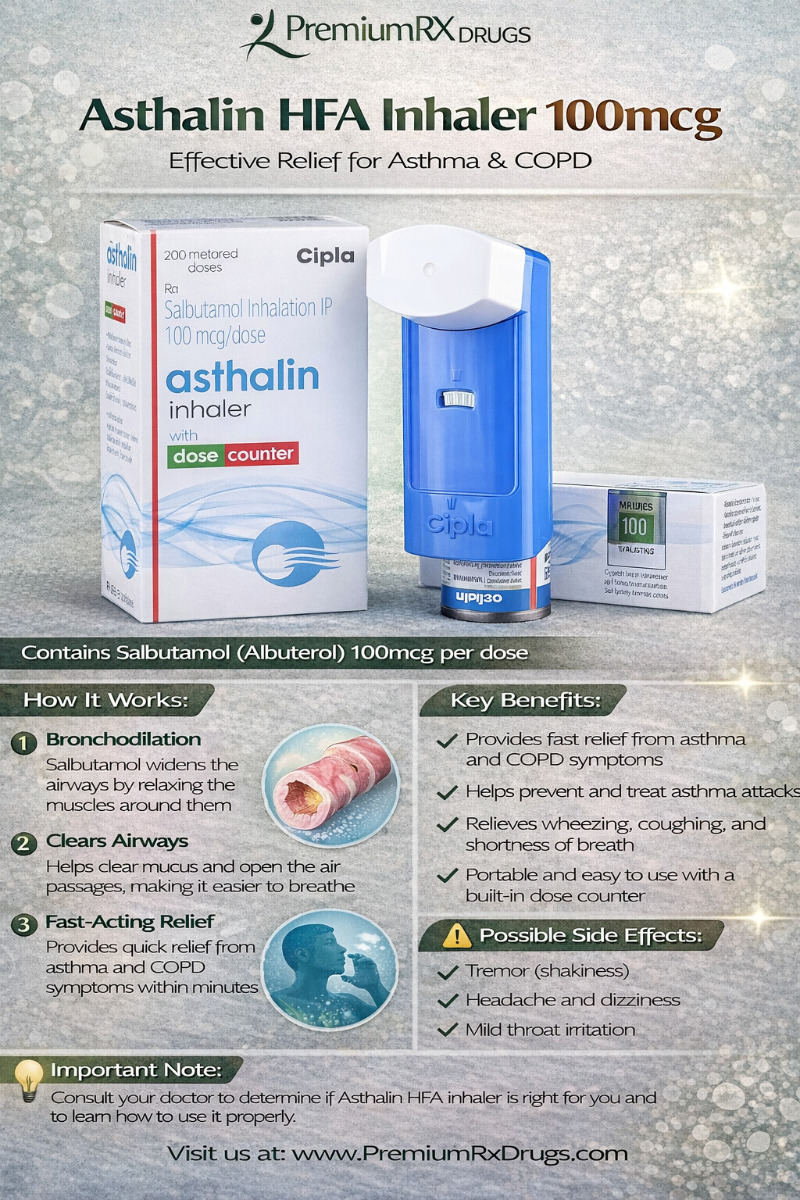
Salbutamol is a fast-acting bronchodilator medication primarily used to treat and prevent symptoms of asthma and chronic obstructive pulmonary disease (COPD). This rescue inhaler belongs to a class of medicines called short-acting beta-2 agonists that work by quickly opening narrowed airways in the lungs. Asthalin HFA Inhaler 100mcg delivers Salbutamol in metered doses to relieve wheezing, shortness of breath, chest tightness, and coughing. It's also used before exercise to prevent exercise-induced bronchospasm. This respiratory medication provides rapid relief during asthma attacks and breathing difficulties, making it an essential emergency treatment for people with reversible airway obstruction.
How does Salbutamol work in the body?
Salbutamol works by stimulating beta-2 receptors in the smooth muscle lining your airways, causing them to relax and widen. When you inhale Asthalin HFA Inhaler 100mcg, the active ingredient targets receptors in your bronchial tubes, reversing the muscle tightness that causes breathing difficulties. This bronchodilator action increases airflow to the lungs within minutes, making it easier to breathe during asthma epiSodiumes or COPD flare-ups. Unlike preventive asthma controllers, this rescue medication provides immediate symptom relief rather than long-term inflammation control. The inhaled delivery method ensures the medicine reaches your lungs directly, minimizing systemic side effects while maximizing therapeutic benefits at the site of action.
How long does Asthalin HFA Inhaler 100mcg take to work?
Asthalin HFA Inhaler 100mcg typically begins working within 5 minutes of inhalation, with peak bronchodilation occurring around 15 to 30 minutes after use. This rapid-onset action makes Salbutamol ideal as a rescue inhaler during sudden asthma attacks or breathing emergencies. The therapeutic effects usually last between 4 to 6 hours, providing substantial relief from wheezing and shortness of breath. Because this short-acting bronchodilator works so quickly, it's the preferred first-line treatment for acute respiratory symptoms. If you don't notice improvement within 15 minutes or your symptoms worsen despite using the inhaler, seek immediate medical attention as this may indicate a severe asthma exacerbation requiring emergency care.
When and how should I take Asthalin HFA Inhaler 100mcg?
Use Asthalin HFA Inhaler 100mcg as needed when asthma or COPD symptoms occur, typically 1-2 puffs (100mcg per actuation) inhaled every 4-6 hours. Shake the canister well before each use, exhale completely, then press down while breathing in slowly and deeply through the mouthpiece. Hold your breath for 10 seconds to allow the Salbutamol to reach deep into your airways. For exercise-induced bronchospasm prevention, inhale 15-30 minutes before physical activity. Always follow your healthcare provider's specific dosing instructions, as frequency may vary based on symptom severity. Rinse your mouth after use to prevent throat irritation. If you need your rescue inhaler more than twice weekly, consult your doctor about adjusting your asthma management plan.
Is Asthalin HFA Inhaler 100mcg safe for long-term use?
Asthalin HFA Inhaler 100mcg is safe for ongoing use as a rescue medication when used appropriately for acute symptom relief. However, this short-acting bronchodilator is designed for intermittent use rather than daily maintenance therapy. If you find yourself reaching for your Salbutamol inhaler frequently—more than twice per week for symptom relief—this suggests your asthma isn't well-controlled and you may need additional preventive medications. Long-term reliance on rescue inhalers alone without proper controller therapy can actually worsen asthma outcomes. The inhaler itself has an excellent safety profile when used correctly at prescribed doses. Regular follow-ups help ensure your overall respiratory treatment plan remains effective and that you're not over-relying on quick-relief medication.
Can I take Asthalin HFA Inhaler 100mcg with other medicines?
Asthalin HFA Inhaler 100mcg can generally be used alongside most medications, but certain drug interactions require caution. Salbutamol works well with corticosteroid inhalers, leukotriene modifiers, and other asthma controller medications—in fact, combination therapy often provides optimal respiratory management. However, beta-blockers (used for heart conditions or hypertension) may reduce the effectiveness of this bronchodilator or even trigger bronchospasm. Using multiple beta-2 agonists simultaneously may increase side effects like tremors or rapid heartbeat. MAO inhibitors and tricyclic antidepressants can intensify cardiovascular effects. Always inform your pharmacist and physician about all prescription drugs, over-the-counter medicines, and supplements you're taking to avoid potentially harmful interactions with your asthma treatment regimen.
How does Asthalin HFA Inhaler 100mcg compare to similar medicines in its class?
Asthalin HFA Inhaler 100mcg contains Salbutamol, which shares the same active ingredient as ProAir, Ventolin, and Proventil—all short-acting beta-agonist (SABA) rescue inhalers. These bronchodilators work identically to relieve acute asthma symptoms within minutes. Compared to levalbuterol (Xopenex), another SABA option, Salbutamol is equally effective for most patients and typically more affordable. Unlike long-acting bronchodilators such as formoterol or salmeterol, Asthalin provides immediate but shorter-duration relief, making it unsuitable for maintenance therapy. Combination inhalers like Symbicort or Advair contain both a bronchodilator and corticosteroid for preventive control, whereas this single-ingredient rescue medication addresses only immediate symptom relief. The 200-dose canister offers excellent value and convenience for managing intermittent breathing difficulties.
Is generic Salbutamol as effective as branded versions?
Generic Salbutamol inhalers, including Asthalin HFA Inhaler 100mcg, are therapeutically equivalent to branded versions like Ventolin or ProAir. All contain the same active pharmaceutical ingredient at identical strengths and must meet rigorous regulatory standards for quality, purity, and performance. The bronchodilator effect, onset time, and duration of action remain consistent across generic and brand-name formulations. What may differ are inactive ingredients, inhaler device design, or manufacturing origin, but these don't impact clinical effectiveness for treating asthma and COPD symptoms. Generic options typically cost significantly less while delivering the same rapid relief from wheezing and breathlessness. Both branded and generic Salbutamol inhalers undergo strict bioequivalence testing to ensure patients receive reliable, safe respiratory medication regardless of manufacturer.
Why do patients choose PremiumRxDrugs.com for Asthalin HFA Inhaler 100mcg?
Patients consistently choose PremiumRxDrugs for Asthalin HFA Inhaler 100mcg because of reliable access to genuine Salbutamol inhalers at competitive prices. We as a licensed international pharmacy source authentic respiratory medications directly from manufacturers, ensuring quality and safety for asthma and COPD management. The convenient reorder system helps patients maintain continuous access to our rescue inhaler, preventing emergencies from running out. Discreet worldwide shipping protects privacy, while free shipping on select orders adds value. With more than ten years serving customers across the USA, UK, Australia, and we have built reputation through consistent delivery of legitimate bronchodilator medications. The combination of affordability, authenticity guarantees, and customer-focused service makes PremiumRxDrugs a trusted source for ongoing respiratory treatment needs.
What are the common side effects of Salbutamol?
Common side effects of Salbutamol include tremors (especially in the hands), headache, increased heart rate, muscle cramps, and nervousness or jitteriness. Some people experience throat irritation, dry mouth, or an unusual taste after inhaling this bronchodilator. Mild dizziness and palpitations may occur as the medication stimulates beta-2 receptors throughout the body, not just in the lungs. These effects are typically mild and temporary, diminishing as your body adjusts to the rescue inhaler. Less commonly, patients report nausea or difficulty sleeping if using the medication late in the day. Serious side effects like chest pain, irregular heartbeat, or severe allergic reactions are rare but require immediate medical attention. Most asthma patients tolerate this short-acting beta-agonist well when used at recommended doses.
Who should avoid taking Salbutamol?
People with known hypersensitivity or allergic reactions to Salbutamol or any bronchodilator ingredients should avoid this medication. Those with certain heart conditions—including irregular heart rhythms, coronary artery disease, or recent heart attack—should use this beta-agonist with extreme caution and only under close medical supervision. Patients with overactive thyroid (hyperthyroidism), diabetes, or seizure disorders require careful monitoring as this respiratory medication can worsen these conditions. Pregnant or breastfeeding women should discuss risks and benefits with their healthcare provider, though Salbutamol is often considered relatively safe when medically necessary. Individuals taking beta-blockers may experience reduced effectiveness or paradoxical bronchospasm. Always disclose your complete medical history before starting any asthma or COPD treatment to ensure safe, appropriate bronchodilator use.
Login
Sign Up
Login
Sign Up