




Azopt Eye Drop 1%
Available Dosages
| Description |
|
|---|---|
| SKU | 132 |
| Generic For | Azopt |
| Strength | 1% (5 ml) Eye Drop |
| Manufacturer | Alcon Laboratories Inc |
| Active Ingredient | Brinzolamide opthalmic suspension |


Out Of Stock

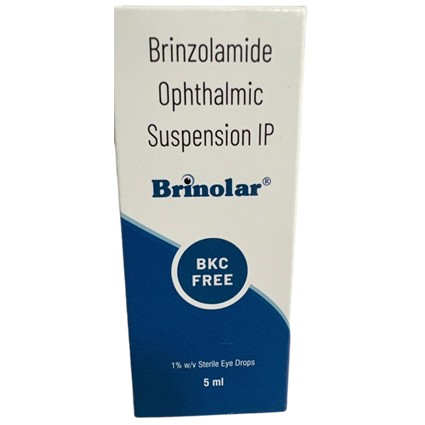
Azopt Eye Drop 1% (Brinzolamide opthalmic suspension)
Azopt Eye Drop 1% contain Brinzolamide. It is an opthalmic suspension, that follows topical ocular administration. It contains a carbonic anhydrase inhibitor, used to treat glaucoma an eye disorder.
What is Azopt eye drop used for?
Azopt 1% eye drop is used to reduce the pressure in the eye caused due to ocular hypertension and open-angle glaucoma, both these eye conditions causes high pressure within the eye known as intraocular pressure that may lead to an eye pain and harm your vision. This medicament helps in reducing pressure by lowering the formation of an aqueous humor secretion and thus relieves from an eye pain due to glaucoma.
How does Azopt work?
Azopt Eye drop is a carbonic anhydrase inhibitor. Carbonic anhydrase is an enzyme found in many tissues of the body, including the eye, this medication involves the reversible reaction and regulates the fluid secretion in the eye. This medication stops the secretion of aqueous humor that decreases the intraocular pressure and thus used to treat open-angle glaucoma, and ocular hypertension.
What medications interact with Azopt?
Tell your physician if you are consuming any other drugs, including prescription and non-prescription drugs, any herbal supplements, and vitamins. Especially, tell your physician if you take:
- Oral carbonic anhydrase inhibitor
- Sulfonamides
- Itraconazole
- Ceritinib
- Dabrafenib
- Ketoconazole
- Piperaquine
- Salicylates
Keep a list of medicines you take and show it to your physician every time you get a new medicine.
When should Azopt not be used?
Do not take Azopt 1 % (5 ml) if:
- You are pregnant or plan to get pregnant. This medicine may cause fatal effects to an unborn child. If you get pregnant while taking Azopt, tell your doctor right away.
- You are a breastfeeding mother
- You have any kidney problem
- You are allergic to any of the components of Azopt 1% (5 ml) Eye drop
How should Azopt be taken?
- The dose may vary according to the age, weight, and patient condition therefore it is advised to take this medicament as per your doctor’s direction.
- Azopt 1 % is available in the form of an Eye drop taken through an ocular route that is through an eye. Shake well before use, open the lid with your fingertips and slowly instill this medicines drop by drop, it is recommended to gently close the eyes for sometime around 1 to 2 minutes after the administration
- If you have taken more Azopt Eye Drops into your eyes by mistake than your physician has prescribed, contact your doctor straight away. Remember the overdose of any drug can cause severe effects. In any case, of an overdose, you should immediately medical help.
Contact your doctor if you experience any undesirable health changes while taking this medicine.
How long should you take Azopt?
Take Azopt Eye Drop exactly as directed by your doctor. Keep taking the medicine for as long as your doctor prescribes it for you.
Missed dose of Azopt?
If you miss the dose take it as soon as you remember, but if it is too late, then skip the missed dose and take the next dose at the correct scheduled time. Never take double doses at one time.
How should Azopt be stored?
- Away from children and pet
- At a room temperature
- Do not refrigerate
- Away from heat, light and moisture
- Do not use expired drugs
- Keep this drug in a closed tight container
What are the side effects of Azopt?
Azopt 1% (5 ml) Eye Drop may cause serious side effects including:
- Soft Contact Lenses. Avoid wearing soft contact lenses while using this medicine. It may cause you harmful side-effect like an eye infection, irritation, or burning sensation.
- Ocular Surgery. If the patient had an ocular surgery, then using this medicament in this condition may cause you harmful effects. Therefore, consult your doctor prior taking this drug.
- Eye Infection. The drug may cause inflammation of your eye if taken in this condition. Therefore, consult your doctor before using this medicament if the patient is suffering from an eye infection due to flu.
- Diabetes. Using this drug in patients with diabetes may cause serious changes in blood sugar. In this case, consult your doctor before taking this medicine.
Common side effects that may occur while taking Azopt 1% (5 ml) Eye Drop include:
- Blurred vision
- Unusual taste
- Foreign body sensation
- Headache
- Ocular discharge
- Ocular keratitis
- Ocular pain
- Chest pain
- Conjunctivitis
- Diarrhea
- Dizziness
- Dry mouth
- Eye fatigue
- Hypertonia
- Kidney pain
- Lid margin crusting, or sticky sensation
- Nausea
- Tearing and urticarial

What is Azopt Eye Drop 1% and how does brinzolamide lower eye pressure?
Azopt Eye Drop 1% contains Brinzolamide 1%, a topical carbonic anhydrase inhibitor (CAI) used to reduce elevated intraocular pressure (IOP) in open-angle glaucoma and ocular hypertension. It works by inhibiting carbonic anhydrase in the ciliary body, reducing aqueous humor production and thereby lowering eye pressure. Azopt is a branded brinzolamide suspension; it can be used as monotherapy or combined with other IOP-lowering eye drops under ophthalmologist guidance to protect the optic nerve from glaucomatous damage.
How long does Azopt Eye Drop 1% take to lower intraocular pressure?
Azopt 1% (brinzolamide) begins lowering intraocular pressure within 2 hours of instillation, with peak IOP reduction at approximately 2 to 3 hours post-dose. Consistent IOP reduction throughout the day is maintained with twice or three-times-daily dosing. The full therapeutic effect is typically established within the first week of regular use. Your ophthalmologist will monitor IOP at follow-up visits to confirm adequate pressure control and adjust treatment if needed.
Is Azopt Eye Drop 1% the same as Trusopt (dorzolamide)?
Azopt (brinzolamide 1%) and Trusopt (dorzolamide 2%) are both topical carbonic anhydrase inhibitors that lower IOP by the same mechanism but have different active ingredients. Brinzolamide (Azopt) has a near-neutral pH, causing significantly less stinging on instillation than dorzolamide. Both are effective for glaucoma. Azopt is a suspension; Trusopt is a solution. Patients who find dorzolamide uncomfortable often prefer brinzolamide. Your ophthalmologist will select the best CAI based on tolerability and your glaucoma management plan.
How should I instil Azopt Eye Drop 1% correctly?
Wash hands before use. Shake the Azopt bottle well before each instillation — it is a suspension. Tilt your head back, pull down the lower eyelid, and instil one drop. Close the eye gently and press the inner corner (nasolacrimal occlusion) for 1 to 2 minutes to minimise systemic absorption. Do not allow the dropper tip to touch the eye or any surface. If using multiple glaucoma drops, wait at least 5 to 10 minutes between each medication.
What are the side effects of Azopt Eye Drop 1% (brinzolamide)?
Common side effects of Azopt 1% include transient blurred vision immediately after instillation (due to the suspension), eye discomfort, bitter or unusual taste, and mild stinging. Blurred vision usually clears within a few minutes. Systemic side effects from topical brinzolamide are uncommon. Patients with sulfonamide hypersensitivity should use brinzolamide with caution. Discontinue and consult your ophthalmologist if significant eye irritation, allergic conjunctivitis, or persistent visual disturbance develops.
Is Azopt Eye Drop safe to use with other glaucoma medications?
Yes. Azopt 1% (brinzolamide) is routinely combined with other IOP-lowering medications including prostaglandin analogues (latanoprost, bimatoprost), beta-blockers (timolol), and alpha-2 agonists (brimonidine) for additive pressure-lowering effect. When using multiple eye drops, wait at least 5 to 10 minutes between instillations to prevent washout and maximise absorption of each. Inform your ophthalmologist of all glaucoma eye drops being used so your complete treatment regimen can be appropriately monitored.
Is it safe to wear contact lenses while using Azopt Eye Drop 1%?
Azopt Eye Drop 1% contains benzalkonium chloride preservative, which can be absorbed by soft contact lenses and cause ocular irritation. Remove soft contact lenses before instilling Azopt and wait at least 15 minutes before reinserting them. Rigid gas-permeable lenses are less affected but caution is still advised. Ask your ophthalmologist about preservative-free brinzolamide formulations if you wear contacts regularly and experience ongoing discomfort with the standard Azopt preparation.
Azopt (brinzolamide) vs Dorzox (dorzolamide): Which is better for glaucoma?
Azopt (brinzolamide 1%) and Dorzox (dorzolamide 2%) have comparable IOP-lowering efficacy as carbonic anhydrase inhibitors. The key clinical difference is tolerability: brinzolamide's near-neutral pH causes significantly less stinging and ocular discomfort than dorzolamide's more acidic formulation. Patients who cannot tolerate the sting of dorzolamide often switch to brinzolamide with improved adherence. Both are suitable for patients unable to use systemic CAIs. Your ophthalmologist will recommend based on personal tolerability and overall glaucoma regimen cost.
How long do I need to use Azopt Eye Drop 1% for glaucoma?
Glaucoma requires indefinite IOP management. Azopt 1% is typically used long-term as part of a multi-agent glaucoma treatment plan. Stopping brinzolamide without an alternative will cause IOP to rise, risking progressive optic nerve damage and visual field loss. Regular ophthalmology follow-up — typically every 3 to 6 months — is essential to monitor IOP control and adjust treatment if needed. Never discontinue Azopt or any glaucoma medication without consulting your ophthalmologist first.
Can Azopt Eye Drop 1% be used in children with paediatric glaucoma?
Azopt Eye Drop 1% (brinzolamide) is used in paediatric glaucoma management in specialist settings, though evidence in children is more limited than in adults. Systemic absorption in infants is proportionally higher, increasing the risk of systemic carbonic anhydrase inhibition effects. Paediatric glaucoma is a specialist condition managed exclusively by paediatric ophthalmologists. Any topical CAI use in young children requires careful monitoring for signs of metabolic acidosis, growth concerns, and systemic effects.
Why should I buy Azopt Eye Drop 1% from PremiumRxDrugs.com?
PremiumRxDrugs.com offers genuine Azopt Eye Drop 1% (brinzolamide) from certified manufacturers at prices significantly below branded ophthalmic products. Glaucoma patients needing consistent long-term eye drop therapy benefit from reliable supply, discreet packaging, and fast international delivery to the USA, UK, and Australia. Secure checkout, transparent sourcing, and expert customer support make PremiumRxDrugs.com the trusted destination for affordable, quality glaucoma medications.
Login
Sign Up
Login
Sign Up