




Brinolar 1% BKC Free Eye Drop
Available Dosages
| SKU | 1997 |
|---|---|
| Generic For | Azopt |
| Strength | 1% (5ml) |
| Active Ingredient | Brinzolamide 10 mg |


Out Of Stock

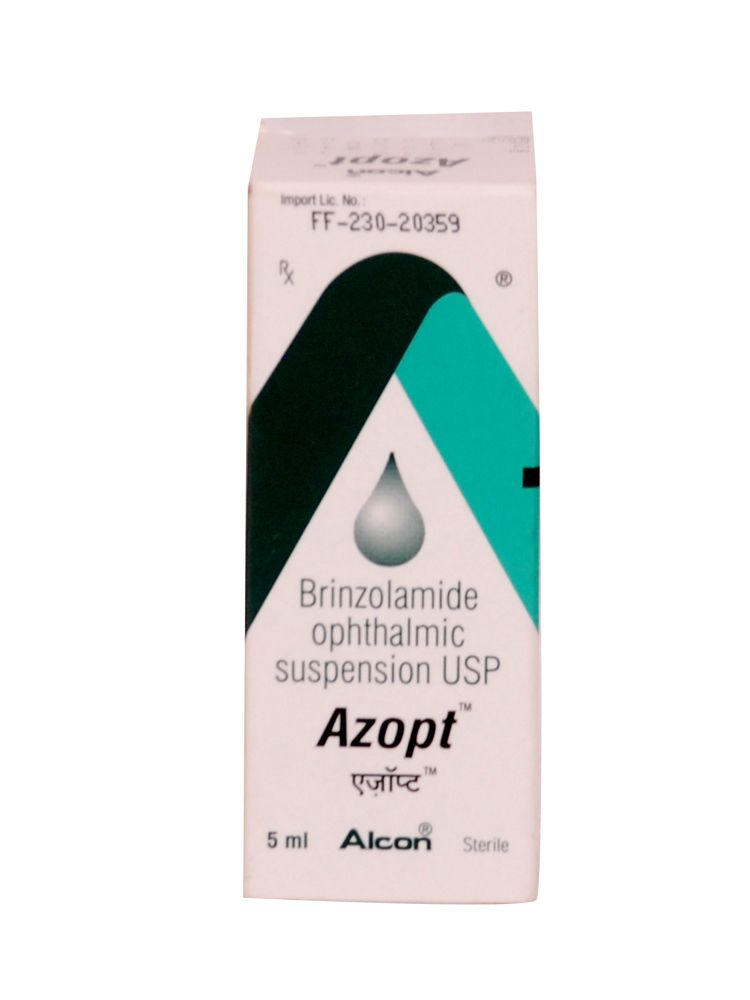
Brinolar 1% BKC Free Eye Drop – Affordable Azopt Alternative
Brinolar Eye Drop 1% contains the active ingredient brinzolamide, which is a carbonic anhydrase inhibitor. When instilled in the eye, the medication have the action of reducing elevated intraocular pressure, whether or not accompanied by glaucoma. The eye drop has been formulated as a sterile, preserved suspension for topical application to the eye. It is also known as azopt, azagra, simbrinza eyedrop. The product has proven to be effective and safe in glaucoma with good patient tolerance.
What is Brinolar 1 % (5 ml) used for?
Brinolar 1% reduces the quantity of fluid in the eye, which lowers pressure inside the eye. High intraocular pressure or IOP (fluid pressure inside the eye) is a major risk factor for glaucoma. The suspension is mainly prescribed to decrease intraocular pressure in ocular hypertension, open angle- glaucoma and other causes of high IOP.
How does brinolar 1% solution works?
Brinzolamide is the active ingredient of the brinolar 1% eye drop. It is an eye drop to lower intraocular pressure in patients diagnosed with open-angle glaucoma or ocular hypertension also contraindicated in patients with severe renal impairment and in patients with hyperchloraemic acidosis.
Where to buy brinolar 1% ?
Brinolar 1% (5ml) eye drop is available to our client in 5 ml strength. Buy brinolar 1% (5ml) eye drop online from premiumrxdrugs.com far cheaper than your other online and local pharmacies.
What does brinolar 1% contains?
Brinolar contains 1 % of the active ingredient Brinzolamide.
What are the side effects of brinolar 1% ?
Vision may be temporarily blurred following dosage of Brinolar 1% suspension. Care should be done in operating machinery or driving a motor vehicle. Other side effects may include dry eyes, headache, eye pain, inflammation of the eye or eyelid, dermatitis, a feeling of something in the eye, eye redness, eye discharge, eye discomfort, , itching, sour taste, and runny nose.
Tell your health care specialist about any unwanted effects that bothers you or does not disappear in few days.
What medication interacts with binolar 1% (5 ml) suspension?
Specific drug studies have not been performed with Brinolar 1% eye drop. However, the liquid suspension were used concomitantly with the following medication without evidence of adverse interaction: Systemic medication including ACE inhibitor, calcium-channel blockers, diuretics, non-steroidal anti-inflammatory drugs including aspirin, hormones (e.g. estogen, throxine, insulin). And timolol maleate eye drop.
Contact lenses: If patient wear soft (hydrophilic) contact lenses while under treatment with Brinloar 1%, they should remove their eye lenses prior to instilling brinolar eye drops 1% in the affected eyes and should not insert their lenses until 15 minutes after instillation of the eye drops.
How Brinloar 1% (5 ml) should be used?
Use the eye drop exactly as your health care physician tells you to use it.
If you are using it for the first time, then place one drop of brinloar 1% 5 (ml) in your eye twice daily in the morning and in the late afternoon. It is recommended to wait for at least 8 to 12 hours after using morning dose. For next 5 days, one drop once daily in the morning or in the evening.
How long should you use Brinolar 1%?
Continue using this medication as long as recommended by your physician. Use it regularly to take the most benefits out of it.
Missed dose of Brinloar 1% (5ml)?
If you miss a dose of Brinolar 1% (5ml) take the dose as soon as you remember, but if the time of another dose is nearby just leave the missed dose don’t overdose and take your another dose on time. Try not to miss any dose of the drug as skipping doses can increase the chances that your medication will not work properly.
How should Brinolar 1%( 5ml) should be stored?
- Store at room temperature
- Discard container four weeks after opening
- Keep al the medecines out of the reach and sight of children
- Store in a cool and dry place, away from direct heat and sunlight
- Do not touch the dropper tip to any surface as this may cause contamination

What is Brinzolamide ophthalmic suspension 1% and what condition does it treat?
Brinzolamide ophthalmic suspension 1% is a carbonic anhydrase inhibitor eye drop used to lower elevated intraocular pressure in patients with ocular hypertension or open-angle glaucoma. Marketed under the brand name Brinolar 1% Eye Drop, this prescription ophthalmic medication reduces fluid production inside the eye, helping prevent vision loss and optic nerve damage. The active ingredient brinzolamide works locally in the eye to manage elevated eye pressure, a primary risk factor for glaucoma progression. This glaucoma treatment is available in convenient dropper bottles for topical ocular administration.
How does Brinzolamide ophthalmic suspension 1% work to reduce eye pressure?
Brinzolamide ophthalmic suspension 1% works by inhibiting an enzyme called carbonic anhydrase in the ciliary processes of the eye. This enzyme normally helps produce aqueous humor, the fluid that fills the front part of your eye. By blocking carbonic anhydrase activity, Brinolar 1% Eye Drop decreases the formation of this intraocular fluid, which subsequently lowers pressure inside the eye. This pressure-lowering mechanism helps protect the optic nerve from damage in glaucoma patients. As a topical carbonic anhydrase inhibitor, brinzolamide delivers targeted ocular pressure control with minimal systemic absorption.
How quickly does Brinolar 1% Eye Drop start working to lower eye pressure?
Brinolar 1% Eye Drop typically begins reducing intraocular pressure within 30 minutes to 1 hour after the first dose, with maximum pressure-lowering effects occurring approximately 2 hours after administration. However, achieving optimal therapeutic control of ocular hypertension or glaucoma usually requires consistent use over several weeks. Most patients experience measurable reductions in eye pressure within the first few days of regular dosing with brinzolamide ophthalmic suspension 1%. Your ophthalmologist will monitor your intraocular pressure regularly to assess how well this carbonic anhydrase inhibitor is managing your condition.
When and how should I use Brinolar 1% Eye Drop correctly?
Brinolar 1% Eye Drop is typically instilled into the affected eye(s) twice daily, approximately 12 hours apart, or as your eye specialist directs. Wash your hands thoroughly before use, shake the bottle well, then tilt your head back and pull down your lower eyelid to create a small pocket. Squeeze one drop into this pocket without touching the dropper tip to your eye or any surface. Close your eye gently for 1-2 minutes and avoid blinking excessively. If using multiple eye medications, wait at least 10 minutes between different drops. Remove contact lenses before applying brinzolamide ophthalmic suspension 1% and wait 15 minutes before reinserting them.
Is Brinolar 1% Eye Drop safe for long-term glaucoma management?
Brinolar 1% Eye Drop is generally considered safe for long-term use in managing chronic conditions like open-angle glaucoma and ocular hypertension. Clinical studies have demonstrated that brinzolamide ophthalmic suspension 1% maintains its pressure-lowering effectiveness over extended periods without significant tolerance development. Many patients use this carbonic anhydrase inhibitor eye drop continuously for years under ophthalmologic supervision. Regular monitoring through eye examinations helps ensure the medication continues working effectively and allows your eye care provider to assess for any uncommon ocular changes. Long-term safety profiles for topical brinzolamide treatment remain favorable compared to other glaucoma medications.
Can I use Brinolar 1% Eye Drop alongside other glaucoma or eye medications?
Brinolar 1% Eye Drop can often be safely combined with other glaucoma medications, including prostaglandin analogues, beta-blockers, or alpha-agonist eye drops. In fact, many patients require multiple intraocular pressure-lowering agents for optimal glaucoma control. However, avoid using brinzolamide ophthalmic suspension 1% simultaneously with oral carbonic anhydrase inhibitors like acetazolamide, as this increases side effect risks. Space different eye drops at least 10 minutes apart to prevent dilution and ensure proper absorption. Always inform your ophthalmologist and pharmacist about all medications you're taking, including over-the-counter products and supplements, to avoid potential drug interactions.
How does Brinolar 1% Eye Drop compare to other carbonic anhydrase inhibitor eye drops?
Brinolar 1% Eye Drop belongs to the topical carbonic anhydrase inhibitor class alongside dorzolamide (Trusopt). Compared to dorzolamide, brinzolamide ophthalmic suspension 1% typically causes less ocular stinging and burning upon instillation due to its more neutral pH formulation, improving patient comfort and adherence. Both medications deliver comparable intraocular pressure reduction for glaucoma and ocular hypertension treatment. Unlike oral carbonic anhydrase inhibitors such as acetazolamide, topical formulations like Brinolar minimize systemic side effects while providing targeted eye pressure control. Some ophthalmologists prefer brinzolamide for patients who experience tolerability issues with other glaucoma eye drops.
Is generic Brinzolamide ophthalmic suspension 1% as effective as branded Brinolar?
Generic brinzolamide ophthalmic suspension 1% contains the identical active ingredient at the same concentration as branded Brinolar 1% Eye Drop and delivers equivalent therapeutic effectiveness for lowering intraocular pressure. Regulatory authorities require generic ophthalmic formulations to demonstrate bioequivalence to their branded counterparts, ensuring comparable clinical outcomes for glaucoma and ocular hypertension management. Both versions work through the same carbonic anhydrase inhibition mechanism. Many patients and eye care professionals choose generic brinzolamide for cost savings without sacrificing quality or pressure-lowering efficacy. Whether you select branded or generic, the anti-glaucoma benefits remain therapeutically equivalent.
Why do patients choose PremiumRxDrugs for ordering Brinolar 1% Eye Drop?
Patients consistently choose PremiumRxDrugs for Brinolar 1% Eye Drop because the pharmacy combines authenticity guarantees with competitive pricing on glaucoma medications. As a licensed pharmacy, we have been trusted for more than ten years. PremiumRxDrugs supplies only manufacturer-sourced brinzolamide ophthalmic suspension 1%, never counterfeit or substandard products. Our international shipping reaches the USA, the UK, Australia, Canada, and beyond, with discreet packaging to protect your privacy. The user-friendly prescription management system makes refilling your carbonic anhydrase inhibitor eye drops effortless, while free shipping options and affordable generic alternatives help manage ongoing treatment costs. For reliable ocular hypertension medication delivery, PremiumRxDrugs offers convenience and peace of mind.
What are the common side effects of Brinzolamide ophthalmic suspension 1%?
Common side effects of brinzolamide ophthalmic suspension 1% include temporary blurred vision immediately after instillation, bitter or unusual taste in the mouth, mild eye discomfort or irritation, and dry eyes. Some patients experience slight eye redness or a feeling of something in the eye. These ocular side effects are typically mild and diminish with continued use of this carbonic anhydrase inhibitor. Less common reactions include headache, eye discharge, or increased light sensitivity. Most people tolerate this glaucoma medication well. Serious adverse effects are rare but may include severe eye pain, vision changes, or signs of allergic reaction.
Who should avoid using Brinzolamide ophthalmic suspension 1% eye drops?
Brinzolamide ophthalmic suspension 1% should be avoided by patients with severe kidney disease or hyperchloremic acidosis, as this carbonic anhydrase inhibitor can affect electrolyte balance. Individuals allergic to brinzolamide, sulfonamides, or any formulation ingredients should not use this glaucoma medication due to potential allergic reactions. The ophthalmic suspension is not recommended during pregnancy or breastfeeding unless the benefits clearly outweigh potential risks. Patients with corneal problems, particularly corneal endothelial cell dysfunction, require careful evaluation before starting treatment. Those with angle-closure glaucoma should use alternative therapies. Always disclose your complete medical history to your ophthalmologist before beginning any intraocular pressure-lowering treatment.
Login
Sign Up
Login
Sign Up