




Metrogyl 30 gm
Available Dosages
| Description | Metrogyl Ornidazole |
|---|---|
| SKU | 677 |
| Generic For | Flagyl |
| Strength | 30gm |
| Manufacturer | Unique |
| Active Ingredient | Metronidazole |


Out Of Stock

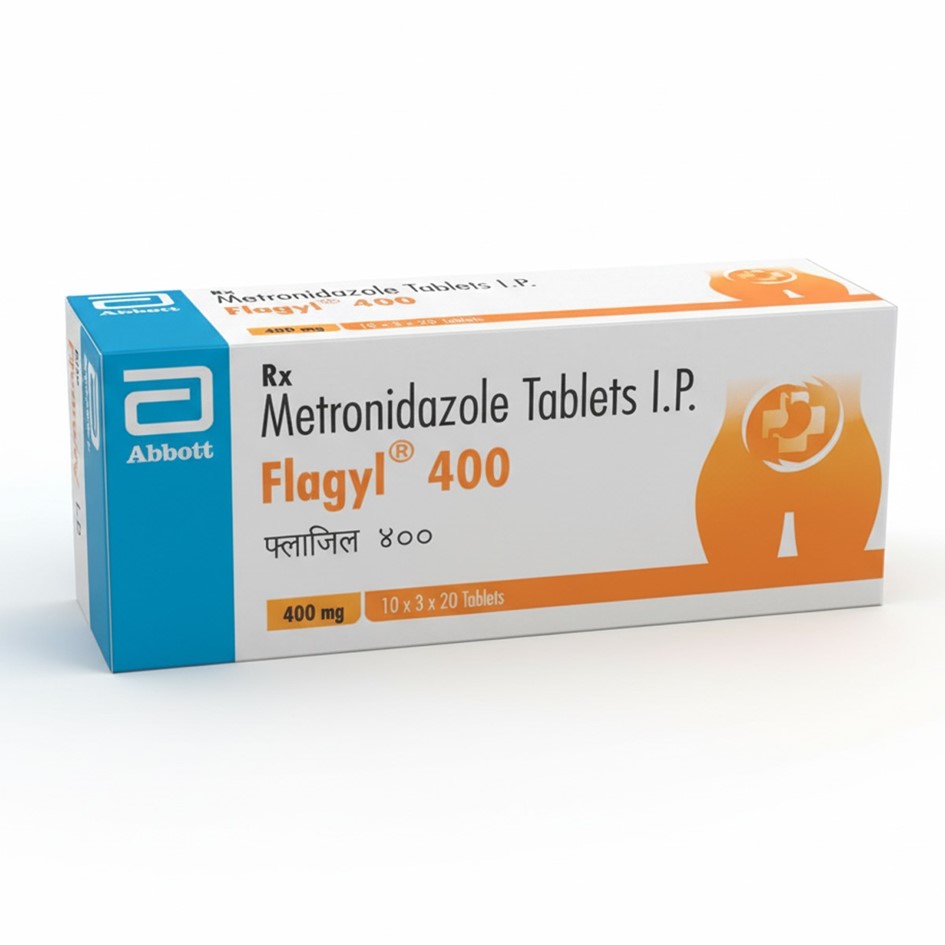
Metrogyl (Metronidazole) – Affordable Flagyl Alternative
Metrogyl 30 mg (Metronidazole)
Metrogyl 30 gm contains Metronidazole. It belongs to a class of antibiotics known as nitroimidazoles, used to treat a variety of infections. It works by stopping the growth of bacteria and protozoa.
What is Metrogylused for?
Metrogyl is an antibiotic, which falls into the category of drugs known as nitroimidazoles. It is an antibiotic gel, which is used to treat bacterial infections of the vagina, and also used to treat a skin condition called Rosacea (acne Rosacea). Rosacea is a skin condition that causes flushing, redness and small lumpy red spots. It works by stopping the growth of bacteria and protozoa. It doesn't treat viral infections and, hence should not be used against vaginal yeast infection. Metronidazole can be used safely by the peoples who are allergic to penicillin.
How does Metrogyl work?
Metrogyl belongs to a group of nitroimidazole, which is used to treat a variety of infections caused by protozoa. It works by stopping the growth of bacteria and protozoa that kills the causative agent and thus cure infections.
What does Metrogyl contain?
Metrogyl contains the active pharmaceutical ingredient Metronidazole. Each tube contains 30 gm of Metronidazole.
Effects of alcohol on Metrogyl
Metrogyl 30 gm is a topical dosage form. Taking this drug with alcohol may cause dizziness, this effect may be worse if you take it with alcohol. Therefore, avoid alcohol consumption during the treatment with Metrogyl 30 gm tube.
What medications interact with Metrogyl?
Tell your physician if you are consuming any other drugs, including prescription and non-prescription drugs, herbal supplements, and vitamins. Especially, tell your physician if you take:
- Clopidogrel
- Warfarin
- Disulfiram
- Lithium derivatives
- Antacids
- Sucralfate
- Cyclosporine
- Alcohol
Keep a list of medicines you take and show it to your physician every time you get a new medicine.
When should Metrogyl not be used?
Do not take Metrogyl 30 gm if:
- You are pregnant or plan to get pregnant.
- You are a Lactating mother
- You have a normal skin
- You are allergic to any of the components in Metrogyl 30 gm.
How should Metrogyl be taken?
- Metrogyl is available in the form of a gel, applied topically on the skin. Wash your hand and the affected area before the application.Dry the skin using a soft towel and apply a thin film over the affected area and Gently rub it into the inflamed skin well.
- If you have appliedoverdose of a Metrogyl Gel than, then contact your doctor immediately. Remember do not take any additional dosage until your doctor asked you to do so.
Talk to your doctor if any unwanted health changes occur, while taking this medicine.
How long should you take Metrogyl?
Take Metrogyl exactly as prescribed by your physician. Keep taking the medicine for as long as your doctor prescribes it for you.
Missed dose of Metrogyl?
If you miss the dose take it as soon as you remember, skip the missed dose, if it is too late and take the next dose at the correct scheduled time. Never take two doses at once.
How should Metrogyl be stored?
- Store it at room temperature.
- Keep the tablets in its original tube until it is time to take them.
- Do not store it or any other medicine in the bathroom or near a sink.
- Keep this away from heat, moisture,s and light.
- Keep the medicine where children cannot reach.
What are the side effects of Metrogyl?
Metrogyl 30 gm may cause serious side effects including:
- Skin reactions. Stop taking the medicine and inform your physician if you get any skin lesions, blisters, or ulcers
- Allergic Reaction. If the patient has reported any kind of allergic reaction in the past with any kind of food, dyes, or medicines, then consult your doctor before applying this medicament.
- Large Quantity. Do not use this medicament in large amount or more than it is prescribed. It is advised to use this medicament as per your physician’s prescription.
Common side effects that may occur while taking Metrogyl 30gm include:
- Hives
- Itching
- Rash
- Headache
- Dizziness
- Skin irritation
- Dryness

What is Metrogyl 30gm Gel used for?
Metrogyl Gel contains metronidazole, an antibiotic and antiprotozoal medicine in a topical gel form applied directly to the skin. It is primarily used to treat rosacea — a long-term skin condition that causes redness, visible blood vessels, and pimple-like bumps on the face. It is also used for infected skin conditions, periodontal (gum) disease (in dental formulations), and the treatment of skin conditions involving anaerobic bacteria. By applying it directly to the affected area, it delivers the active ingredient exactly where it is needed with minimal absorption into the body.
How should Metrogyl Gel 30gm be applied?
Wash the affected area gently with a mild, non-irritating cleanser and pat dry before applying the gel. Apply a thin layer of Metrogyl Gel to the entire affected area (not just individual spots) once or twice daily, as directed by your doctor. Avoid contact with the eyes, mouth, and nostrils — if accidental contact occurs, rinse thoroughly with plenty of water. Wash your hands before and after applying the gel. Do not use dressings or bandages over the treated area unless your doctor advises this. Cosmetics or sunscreen can usually be applied over the gel once it has dried.
How long does Metrogyl Gel take to show results for rosacea?
For rosacea, Metrogyl Gel typically needs to be used consistently for at least 3 to 4 weeks before noticeable improvement in redness and papules (pimple-like bumps) is seen. The full benefit usually develops over 8 to 12 weeks of regular use. This is a common feature of rosacea treatments — patience and consistency are key. Unlike a simple skin infection where you use the gel for a defined short course, rosacea management often involves longer-term maintenance use. Your doctor will review your progress and advise on the appropriate duration for your skin.
Can Metrogyl Gel be used on all skin types?
Metrogyl Gel is generally well tolerated across skin types, but people with very sensitive skin may experience slightly more irritation. If you have sensitive skin, apply the gel initially to a small test area to check for any adverse reaction before applying to the full affected area. Avoid applying the gel to broken or very inflamed skin without medical advice. If you have a known allergy to metronidazole or other nitroimidazole compounds (like tinidazole), do not use this product. Always inform your doctor of any skin allergies before starting topical treatments.
Is Metrogyl Gel safe during pregnancy or breastfeeding?
Topical metronidazole gel is minimally absorbed into the bloodstream when applied to the skin in small amounts. This makes it considerably safer during pregnancy than oral metronidazole, and it has been used in clinical practice during pregnancy for skin conditions when the benefit outweighs any risk. For breastfeeding, the minimal systemic absorption means very little of the active ingredient reaches breast milk. However, avoid applying the gel to the breast or nipple area if breastfeeding to prevent the baby's oral contact with the medicine. Always inform your doctor if you are pregnant or breastfeeding.
Can I drink alcohol while using Metrogyl Gel?
The alcohol restriction associated with oral metronidazole is much less of a concern with topical metronidazole gel, as very little is absorbed into the bloodstream from skin application. However, some guidelines still recommend caution with alcohol consumption during topical metronidazole use, particularly if applying the gel to large areas of skin. If you are also taking oral metronidazole for another condition at the same time, the alcohol restriction (avoiding alcohol during treatment and for 48 hours after) applies strictly. When in doubt, speak to your pharmacist.
How does Metrogyl Gel compare to oral metronidazole for rosacea?
For rosacea — a skin condition rather than a systemic (whole-body) infection — topical metronidazole gel is preferred over oral metronidazole. The gel delivers the active ingredient directly to the affected skin, achieving high local concentrations with minimal absorption into the rest of the body. This means the skin benefit is maximised while systemic side effects (nausea, metallic taste, alcohol interaction) are largely avoided. Oral metronidazole is used for rosacea only in more severe or inflammatory cases where topical treatment alone is insufficient, or as a shorter bridging course.
Does Metrogyl Gel interact with other skin products?
Metrogyl Gel can be used alongside most other skincare products, but some products can worsen skin sensitivity or interact with the gel. Avoid applying alcohol-based skin products, strong exfoliants (glycolic acid, retinoids, benzoyl peroxide) directly on top of the gel or in the same skin session without medical advice — these can increase skin irritation. If you use a moisturiser or sunscreen, allow the gel to dry fully first and then apply the other product on top. For rosacea, sun protection is particularly important as sun exposure is a known trigger for flares — use a gentle, mineral-based sunscreen daily.
What should I do if Metrogyl Gel causes skin irritation?
A mild burning or stinging sensation immediately after applying the gel is common during the first few days of use and typically settles as the skin adjusts. If mild irritation persists beyond the first week, reducing the frequency of application (from twice to once daily) may help. However, if you develop significant redness, itching, swelling, or a rash at the application site — particularly if it is worsening rather than improving — stop using the gel and consult your doctor. This may indicate an allergic contact reaction to metronidazole or one of the other ingredients in the formulation.
What are the common side effects of topical metronidazole?
Metrogyl Gel is generally well tolerated when applied topically. The most commonly reported side effects are local reactions at the application site: mild burning or stinging immediately after applying the gel, temporary skin redness, dryness or flakiness, and occasional itching. These effects are usually mild and improve with continued use as the skin adapts to the product. In rare cases, some people develop contact dermatitis (an allergic skin reaction) to the gel — if itching, swelling, or rash at the application site is worsening rather than settling, stop use and consult your doctor.
What side effects of topical metronidazole need medical attention?
Seek medical advice if you develop signs of contact dermatitis or an allergic reaction to Metrogyl Gel — this includes significant worsening redness, painful or burning skin, increasing itchiness, swelling, or blistering at the application site. If the skin condition being treated (rosacea or infection) is not improving after 4–6 weeks of regular use, or if it is worsening, contact your doctor for a review — a different treatment approach may be needed. If the gel accidentally contacts the eyes and causes persistent irritation after rinsing, seek assessment from a doctor or pharmacist.
Login
Sign Up
Login
Sign Up