




Nizral shampoo 30 ml
Available Dosages
| Description | Ketoconazole |
|---|---|
| SKU | 566 |
| Generic For | Nizoral Shampoo |
| Strength | 30 ml |
| Manufacturer | Johnson & Johnson |
| Active Ingredient | Ketoconazole |


Out Of Stock

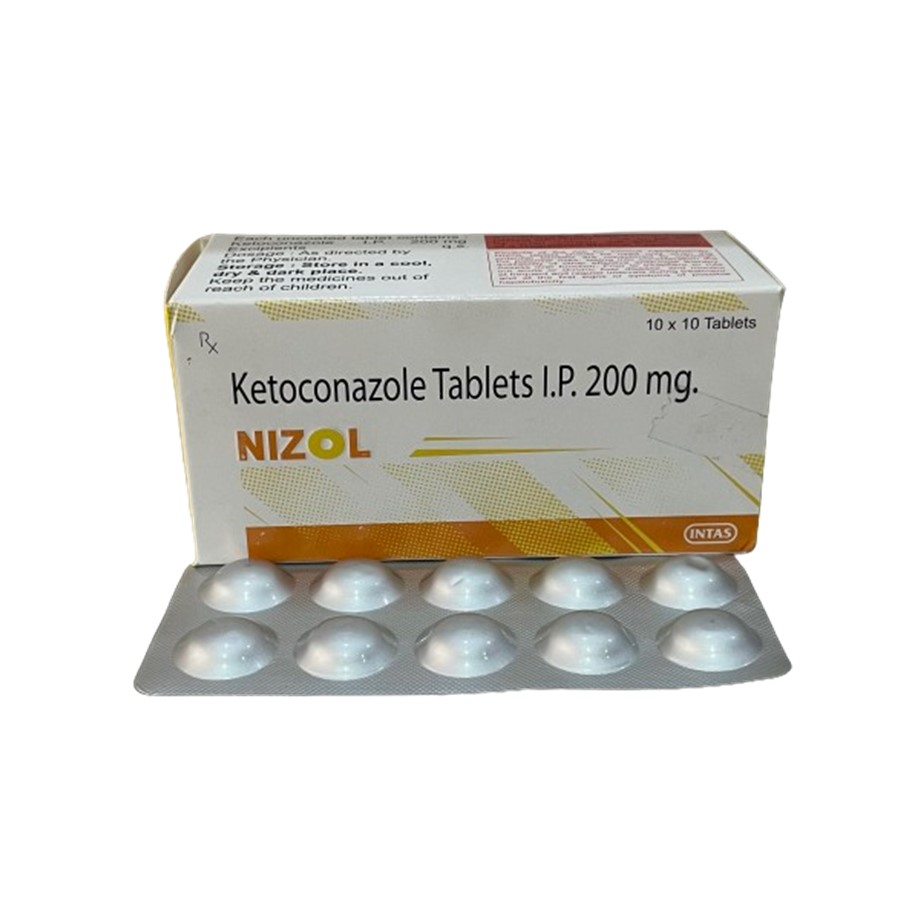
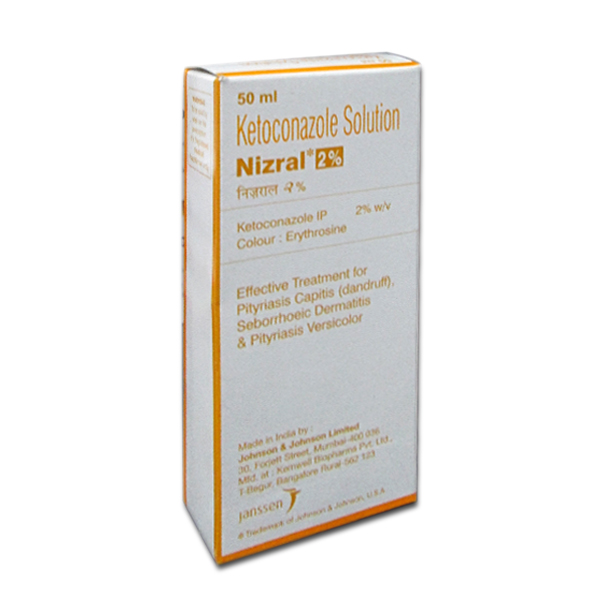
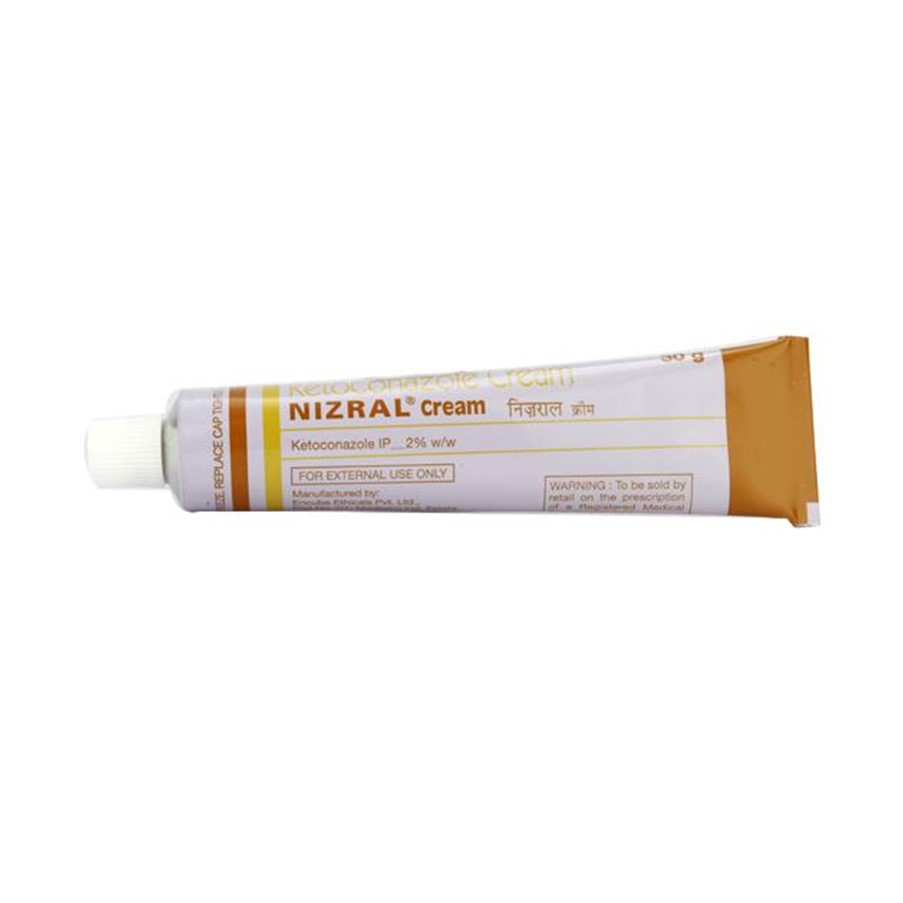
Nizral shampoo – Nizoral Shampoo Alternative for Fungal Infections
Ketoconazole

What is Nizral Shampoo used for?
Nizral Shampoo contains ketoconazole 2% — an antifungal medicated shampoo for scalp conditions caused by Malassezia yeasts. Primary indications: seborrhoeic dermatitis of the scalp (dandruff caused by Malassezia overgrowth — characterised by flaking, itching, and scalp redness); tinea versicolor of the scalp and neck; and as a treatment/prophylaxis for pityriasis capitis. Ketoconazole 2% shampoo reduces Malassezia density on the scalp, reducing the inflammatory response that causes dandruff and seborrhoeic dermatitis. It is one of the most evidence-based treatments for dandruff with multiple clinical trials confirming efficacy.
How should Nizral Shampoo be used for seborrhoeic dermatitis?
Treatment: apply Nizral Shampoo to wet scalp, lather, leave on for 3–5 minutes, then rinse thoroughly. Use twice weekly for 2–4 weeks for active seborrhoeic dermatitis treatment. Maintenance: once weekly or every 2 weeks to prevent recurrence. Apply to the scalp (not just hair) to ensure contact with the affected skin. The ketoconazole must remain in contact with the scalp for the minimum contact time to achieve adequate antifungal effect — do not rinse immediately. Can also be used as a body wash for tinea versicolor affecting the trunk — apply to wet skin, leave 3–5 minutes, rinse. Avoid eye contact.
Can Nizral Shampoo be used for tinea capitis (scalp ringworm)?
Nizral Shampoo is not sufficient as sole treatment for tinea capitis (dermatophyte scalp infection) — tinea capitis requires systemic oral antifungal therapy (griseofulvin, terbinafine, fluconazole) because topical shampoo cannot penetrate infected hair follicles adequately. However, ketoconazole 2% shampoo is used as an adjunct to systemic antifungal therapy for tinea capitis: it reduces fungal spore burden on scalp and hair, decreasing contagion risk. Adjunct shampooing with ketoconazole 2–3× weekly alongside systemic treatment is recommended in guidelines to reduce school exclusion time and household transmission. Tinea capitis must be confirmed before starting systemic treatment.
Is Nizral Shampoo safe during pregnancy for dandruff?
Ketoconazole 2% shampoo has minimal systemic absorption through normal scalp skin (estimated <1%). Human reproductive safety data for topical/shampoo ketoconazole is limited but the negligible systemic exposure makes teratogenicity risk extremely unlikely. Selenium sulfide 2.5% shampoo (another effective dandruff treatment) has similar limited pregnancy safety data. For dandruff management during pregnancy, gentle daily washing with gentle shampoos, and using zinc pyrithione shampoos (considered safe) are commonly recommended first. If ketoconazole shampoo is needed for significant seborrhoeic dermatitis, limited use (1–2× weekly) during pregnancy is likely safe — discuss with your obstetrician.
What drug interactions apply to Nizral Shampoo?
Due to minimal systemic absorption from scalp application of shampoo (especially with rinsing), clinically significant systemic drug interactions are not expected from Nizral Shampoo use. No systemic drug interaction monitoring is needed. Locally: avoid combining with other medicated scalp preparations simultaneously — use separately or on alternating days. Ketoconazole shampoo and corticosteroid scalp preparations can be used together for seborrhoeic dermatitis with significant inflammation — the ketoconazole addresses the Malassezia; the corticosteroid reduces inflammation.
How does Nizral Shampoo compare to selenium sulfide for dandruff?
Ketoconazole 2% shampoo and selenium sulfide 2.5% shampoo are both effective for seborrhoeic dandruff. Clinical comparison: ketoconazole 2% typically achieves 70–80% reduction in dandruff scales; selenium sulfide 2.5% achieves 60–70%. Ketoconazole specifically targets and reduces Malassezia density (antifungal mechanism); selenium sulfide has cytostatic and antifungal properties (mechanism is broader). Both require regular maintenance use (every 1–2 weeks) to prevent recurrence. Ketoconazole shampoo is generally considered slightly more effective and is the first-line recommendation in clinical guidelines. Both are safe for long-term maintenance use.
Is Nizral Shampoo equivalent to Nizoral Shampoo?
Yes. Nizral Shampoo 2% and branded Nizoral Shampoo 2% both contain ketoconazole 2% in equivalent antifungal shampoo formulations. Nizral is the generic alternative providing the same seborrhoeic dermatitis and dandruff treatment as Nizoral at significantly lower cost.
Can I order Nizral Shampoo from PremiumRxDrugs for international delivery?
Yes. PremiumRxDrugs.com ships Nizral Shampoo to the USA, UK, Australia, and many other countries. Our genuine manufacturer-verified antifungal products, competitive pricing, and free worldwide shipping on qualifying orders make us a reliable international source for medicated ketoconazole shampoo.
What side effects does Nizral Shampoo cause?
Nizral Shampoo is very well tolerated. Local effects: mild scalp irritation or burning (transient — typically seconds), hair texture changes (occasional — dryness or increased oiliness with repeated use), and very rarely, oily or dry scalp with extended use. Contact dermatitis (allergy to ketoconazole or shampoo base) is rare but possible — persistent itching or worsening scalp redness after initial improvement suggests this. Hair discolouration has been very rarely reported. Systemic effects from shampoo use are negligible. Avoid eye contact — rinse thoroughly if eye exposure occurs. If scalp condition worsens, consider a dermatology review to exclude alternative diagnoses (psoriasis, contact dermatitis).
How long should Nizral Shampoo be used for seborrhoeic dermatitis?
For active treatment: twice weekly for 2–4 weeks achieves significant symptom reduction (flaking, itch, redness). For maintenance (recurrence prevention): once every 1–2 weeks indefinitely — seborrhoeic dermatitis is a chronic relapsing condition; Malassezia cannot be permanently eradicated from the scalp. Many patients use ketoconazole shampoo as their regular weekly maintenance shampoo with ordinary shampoo on other days. If maintenance use is impractical, identifying personal triggers (stress, hot weather, oily skin) and using ketoconazole shampoo intensively at the first sign of relapse (2× weekly for 2 weeks) is an effective epiSodiumic approach. Annual dermatology review is recommended for persistent or severe cases.
Can Nizral Shampoo be used on coloured or chemically treated hair?
Ketoconazole 2% shampoo is generally compatible with coloured and chemically treated (permed, relaxed) hair. It does not bleach or significantly alter hair colour. However, frequent shampooing (2× weekly during treatment) may increase drying of colour-treated hair — use a conditioner on hair lengths (not scalp) after each use. For very fragile or chemically compromised hair, reduce contact time on hair (apply mainly to scalp, minimize time in contact with hair lengths). There are no reports of ketoconazole interacting with hair dye molecules. Regular maintenance frequency (1× weekly) is well tolerated with all hair types and treatments.
Login
Sign Up
Login
Sign Up