




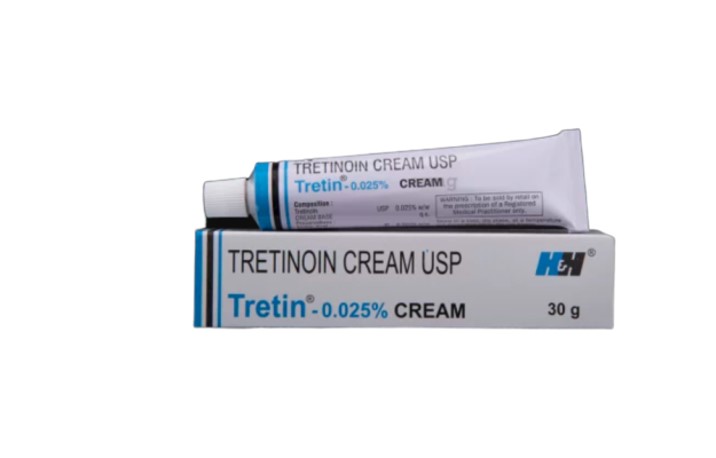
Tretin Cream 0.025
Available Dosages
| SKU | 2159 |
|---|---|
| Generic For | Retin A Cream |
| Strength | 0.025% |
| Manufacturer | H&H Pharmaceuticals |
| Active Ingredient | Tretinoin |


| Pack Size | Qty | Price Per Pill or Unit | Price | Cart | |
|---|---|---|---|---|---|
| 1 Tube/s | US$ 7.50 | US$ 7.50 | |||
|
|||||
| 3 Tube/s | US$ 6.50 | US$ 19.5013%US$ 22.50 | |||
|
|||||
| 6 Tube/s | US$ 6.00 | US$ 36.0020%US$ 45.00 | |||
|
|||||

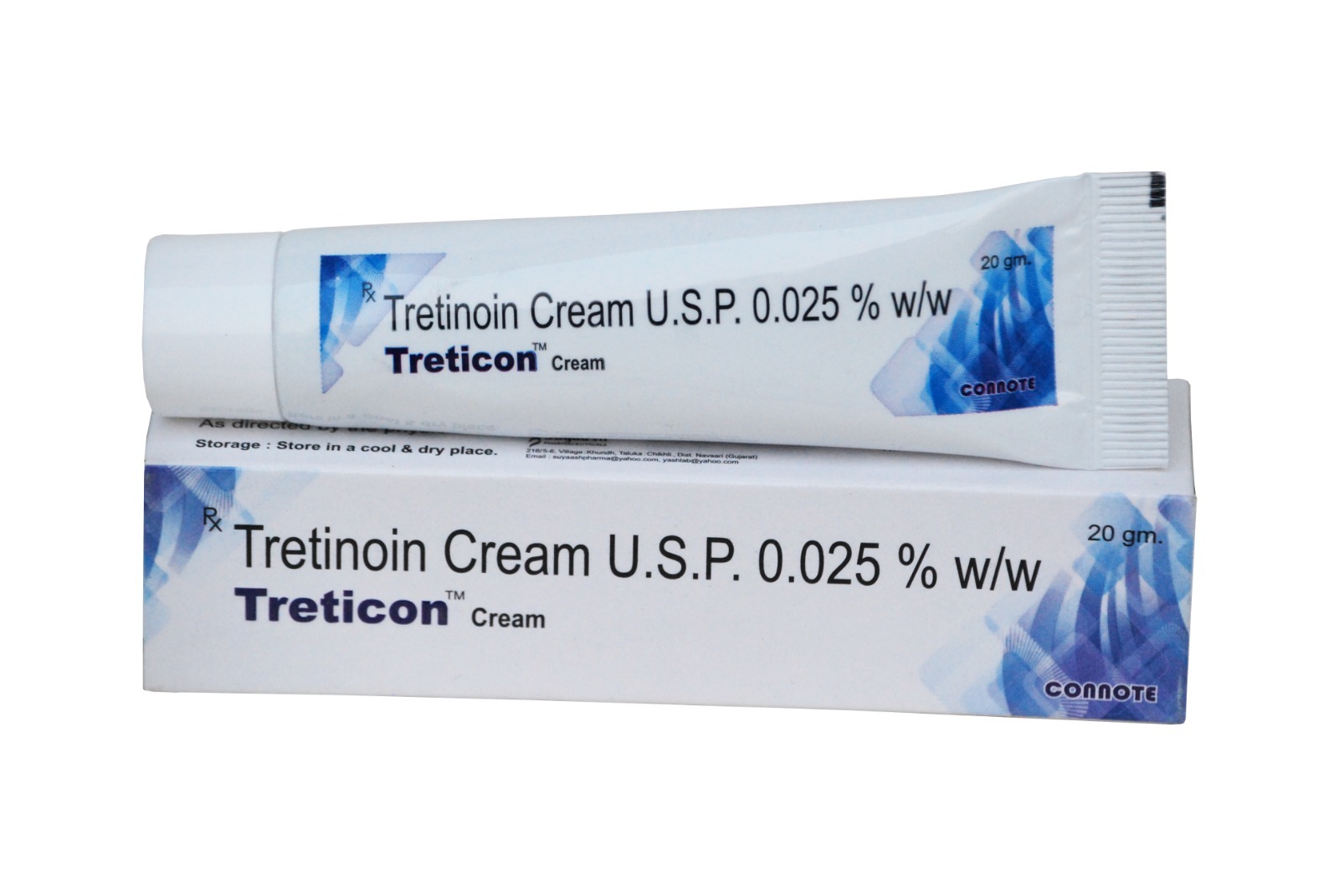
Tretin Cream 0.025 – Retin A Cream for Acne & Anti-Ageing
If you’re struggling with stubborn acne, uneven skin tone, or early signs of ageing, Tretin cream 0.025% offers a clinically proven solution trusted by dermatologists worldwide. Formulated with tretinoin, a powerful vitamin A derivative, this topical treatment works beneath the surface to renew your skin, unclog pores, and restore a smoother, healthier complexion. Whether you’re dealing with breakouts, fine lines, or dull skin, Tretin Cream 0.025% helps you achieve a visible transformation over time, making it one of the most effective skincare treatments available today.
What is Tretin cream 0.025%?
Tretin cream 0.025% is a topical retinoid used to treat acne and improve skin texture. It accelerates skin cell turnover, allowing fresh, new skin to replace damaged or clogged layers. This process not only helps reduce acne but also minimises wrinkles, pigmentation, and roughness. Unlike over-the-counter retinol products, tretinoin is a prescription-strength formula that delivers faster and more noticeable results when used correctly.
Tretin cream strength – This cream comes in different strengths, so choosing the right one is important for treating your acne.
Manufacturer: H&H Pharmaceuticals manufactures Tretin 0.025%, the company focuses on producing cost-effective dermatological treatments that meet quality standards and are accessible to a wide range of users.
Who should use Tretin cream 0.025%?
This treatment is ideal for individuals who experience mild to moderate acne, blackheads or whiteheads, have early signs of ageing (fine lines, dullness), want smoother, clearer skin, or are beginners starting retinoid therapy. The 0.025% strength is considered a gentle starting point, making it suitable for first-time users.
Working of Tretinoin (The active ingredient)
Tretinoin works by increasing the rate at which your skin renews itself. It speeds up the shedding of old, damaged skin cells and encourages the growth of new, healthy ones. This process unclogs pores, reduces inflammation, boosts collagen production, and enhances skin repair. As a result, your skin becomes clearer, smoother, and more radiant over time.
Comparing brand vs generic: Difference between Retin A cream and Tretin cream
Retin-A cream and Tretin Cream 0.025% uses, price, dosage, how to use, benefits, precautions and possible side effects. Get important information before u both contain the same active ingredient, tretinoin, a derivative of vitamin A widely used in dermatology to treat acne, fine lines, and skin discoloration. The primary difference lies in branding, formulation base, and cost. Retin-A is a well-known branded product that may use advanced delivery systems for smoother application and potentially less irritation, while Tretin cream is a generic version that offers the same clinical effectiveness at a lower cost. Both work by increasing skin cell turnover, unclogging pores, and stimulating collagen production. When used consistently under medical guidance, both creams deliver comparable results, making Tretin a cost-effective alternative to the Retin-A brand.
Key benefits of Tretin cream 0.025%
- Clears acne effectively: Tretinoin penetrates deep into the pores to remove dirt, oil, and dead skin cells, targeting the root cause of acne and preventing future breakouts.
- Reduces fine lines & wrinkles: By stimulating collagen production, Tretin cream helps smooth out fine lines and improve skin elasticity, giving your skin a youthful appearance.
- Improves skin texture & tone: Regular use promotes even skin tone, reduces dark spots, and enhances overall brightness.
- Prevents future breakouts: It regulates oil production and prevents pore clogging, making it ideal for long-term acne control.
- Dermatologist-recommended treatment: Tretinoin has decades of clinical backing and is widely prescribed for both acne and anti-ageing.
What to expect: tretinoin results timeline
Week 1–2: Initial adjustment- You may experience mild redness, dryness, or peeling. This is normal as your skin adapts.
Week 3–6: Purging phase- Breakouts may temporarily increase as impurities come to the surface.
Week 6–12: Visible improvement- Skin begins to clear, texture improves, and tone becomes more even.
3–6 months: Long-term results- Significant reduction in acne, smoother skin, and fewer fine lines.
Understanding tretinoin purging: Many users experience a “purge” when starting tretinoin. This happens because the treatment accelerates the skin cycle, bringing hidden acne to the surface.
Important: Purging is temporary and usually resolves within a few weeks. Continuing treatment leads to clearer skin in the long run.
Tretinoin vs other retinoids
When comparing topical retinoids, tretinoin stands out as a clinically proven option that delivers powerful and consistent results. However, understanding how it differs from other commonly used retinoids can help you choose the most suitable treatment for your skin needs.
Tretinoin vs Retinol: Tretinoin is a prescription-strength retinoid that works directly on the skin without requiring conversion, allowing it to produce faster, more visible improvements in acne, fine lines, and skin texture. In contrast, retinol is available over the counter and must first be converted into its active form in the skin, making it gentler but slower to deliver results. While retinol is ideal for beginners or those with sensitive skin, tretinoin is better suited for individuals seeking more dramatic, clinically proven results.
Tretinoin vs Adapalene: Tretinoin is considered more potent and is widely used for both acne treatment and anti-ageing benefits, as it stimulates collagen production and accelerates skin renewal. Adapalene, on the other hand, is a newer-generation retinoid that is more stable and less irritating, making it a good option for people with sensitive or easily reactive skin. While adapalene is effective for acne, tretinoin remains the preferred choice for those seeking broader skin-rejuvenation benefits.
Tretinoin vs Tazarotene: Tazarotene is one of the strongest topical retinoids available and can deliver rapid results, particularly for severe acne or advanced photoaging. However, its strength often comes at the cost of a higher risk of irritation, dryness, and peeling. Tretinoin offers a more balanced approach, providing significant improvements in skin clarity and texture while being generally better tolerated over the long term.
Overall, Tretin cream 0.025% strikes an ideal balance between effectiveness and tolerability, making it an excellent starting point for users who want visible skin improvements without excessive irritation.
Warnings & precautions associated with Tretin Cream 0.025
Tretin Cream 0.025 is a potent medication and should be used with care. The medication can make the skin more sensitive, especially during the initial weeks, so it should be applied in a small amount, preferably at night, to clean, completely dry skin to reduce the risk of redness, peeling, and burning sensations. Avoid applying it to broken, sunburned, or eczema-affected skin, as this may worsen irritation. Daily use of a broad-spectrum sunscreen is essential because tretinoin increases sensitivity to UV rays, which can lead to sunburn and pigmentation if unprotected. It is also advisable to avoid combining tretinoin with harsh skincare products, such as exfoliants, alcohol-based toners, or other strong acne treatments, unless directed by a healthcare professional, as this can lead to excessive dryness and irritation. Pregnant or breastfeeding women should consult a doctor before using tretinoin, as it may not be recommended in such cases. Additionally, avoid contact with sensitive areas such as the eyes, lips, and the corners of the nose, and always wash your hands after application to prevent accidental exposure.
Possible side effects of Tretin Cream 0.025
While effective, Tretin or Retin A cream may cause mild side effects, especially during the initial phase. These include redness, dryness, peeling, burning or stinging sensation, and increased sensitivity to sunlight. These effects typically decrease as your skin builds tolerance.
Online purchase advantages
Buying online has numerous advantages, including genuine, high-quality medication, competitive pricing, discreet packaging, worldwide shipping, and an easy online ordering process. With a trusted reputation, online pharmacies like PremiumRxDrugs ensure safe, affordable, and genuine product delivery of your skincare essentials.
Important usage tips for using Tretin Cream 0.025
Using Tretin Cream 0.025 correctly is essential to achieve the best results while minimising irritation. Wash your face with a mild cleanser and pat dry. Wait 20–30 minutes before application (important). Apply a pea-sized amount to the entire face. Avoid sensitive areas such as the eyes, lips, and corners of the nose. Use once daily, preferably at night. Start with 2–3 applications per week, then gradually increase the number. Always use sunscreen during the day. Avoid mixing with harsh exfoliants. Use a gentle moisturiser to reduce dryness. Consistency is key; visible improvements may take several weeks.
What is Tretinoin and what skin conditions does it treat?
Tretinoin is a prescription-strength retinoid medication derived from vitamin A, used primarily to treat acne vulgaris and improve skin texture. Tretin Cream 0.025 contains this powerful active ingredient and helps unclog pores, reduce breakouts, and fade acne scars. Beyond acne treatment, this topical retinoid is also prescribed for reducing fine lines, wrinkles, and age spots caused by sun damage. Dermatologists classify tretinoin as a keratolytic agent that works by increasing skin cell turnover, making it one of the most researched and effective treatments for both acne-prone skin and photoaging.
How does Tretinoin work to improve skin conditions?
Tretinoin works by speeding up the skin's natural cell renewal process, causing old skin cells to shed faster while promoting fresh cell growth. This retinoid cream penetrates the outer skin layer and affects gene expression in skin cells, reducing the stickiness of cells inside pores. Tretin Cream 0.025 prevents comedones (blackheads and whiteheads) from forming by keeping pores clear of dead skin buildup. The active ingredient also stimulates collagen production in deeper skin layers, improving skin firmness and reducing fine lines. This dual-action mechanism makes tretinoin effective for both acne management and anti-aging skin therapy.
How long does Tretin Cream 0.025 take to show visible results?
Most users notice initial improvements in skin texture within 6 to 8 weeks of consistent nightly use of Tretin Cream 0.025. For acne treatment, significant reduction in breakouts typically appears after 8 to 12 weeks of regular application. Anti-aging benefits like diminished fine lines and improved skin tone often become visible after 3 to 6 months of continuous tretinoin therapy. Some people experience a temporary purging phase during the first few weeks as the retinoid accelerates cell turnover, bringing underlying blemishes to the surface. Patience and consistent application are essential, as tretinoin's full benefits develop gradually over time.
When and how should I apply Tretin Cream 0.025 correctly?
Apply Tretin Cream 0.025 once daily in the evening to clean, completely dry skin, waiting 20 to 30 minutes after washing your face. Use a pea-sized amount of tretinoin cream for your entire face, avoiding the eye area, lips, and mucous membranes. Gently spread the retinoid treatment in a thin, even layer without rubbing vigorously. Always apply sunscreen during daytime as tretinoin increases sun sensitivity significantly. Start with every-other-night application for the first two weeks if you have sensitive skin, gradually increasing to nightly use as your skin adjusts to this potent topical medication.
Is Tretin Cream 0.025 safe for long-term continuous use?
Tretin Cream 0.025 is generally considered safe for long-term use under medical supervision, with many dermatology patients using tretinoin continuously for years. Clinical studies demonstrate that this retinoid maintains its effectiveness without causing dependency or requiring dosage increases over time. Long-term tretinoin therapy has an established safety profile for ongoing acne management and photoaging prevention. The skin typically adapts to the medication after the initial adjustment period, with side effects like dryness and peeling diminishing significantly. Regular dermatology check-ups ensure the treatment remains appropriate for your evolving skin needs and overall health status.
Can I use Tretin Cream 0.025 with other skincare products or medications?
Tretin Cream 0.025 can generally be combined with many skincare products, but timing and selection matter significantly. Avoid using other exfoliating agents like benzoyl peroxide, salicylic acid, or alpha hydroxy acids simultaneously, as combining them with tretinoin may cause excessive irritation. Apply moisturizer after the retinoid absorbs to minimize dryness. Products containing niacinamide and hyaluronic acid typically complement tretinoin well. Inform your healthcare provider about all topical and oral medications you're using, particularly other prescription acne treatments, before starting this retinoid therapy to prevent adverse interactions or diminished effectiveness.
How does Tretin Cream 0.025 compare to other retinoid treatments available?
Tretin Cream 0.025 represents a lower-strength tretinoin formulation ideal for retinoid beginners or those with sensitive skin types. Compared to stronger concentrations like 0.05% or 0.1% tretinoin, this gentler version produces fewer initial side effects while still delivering effective results. Unlike over-the-counter retinol products that require conversion in the skin, prescription-strength tretinoin works immediately and more powerfully. Compared to adapalene or tazarotene (other prescription retinoids), tretinoin has more extensive long-term research supporting its efficacy for both acne treatment and photoaging reversal, making it the gold-standard topical retinoid in dermatology.
Is generic Tretinoin as effective as branded retinoid creams?
Generic tretinoin formulations like Tretin Cream 0.025 contain the same active ingredient in identical concentrations as branded versions, delivering equivalent therapeutic effects for acne and photoaging. Regulatory authorities require generic medications to demonstrate bioequivalence to brand-name counterparts, ensuring they work the same way in your body. The primary differences lie in inactive ingredients, packaging, and cost rather than clinical effectiveness. Many dermatologists prescribe generic tretinoin creams confidently, as the active retinoid component determines results. Choosing generic alternatives offers significant cost savings without compromising treatment quality or outcomes for skin conditions.
Why do patients choose PremiumRxDrugs for their Tretin Cream 0.025 prescription?
Patients select PremiumRxDrugs for Tretin Cream 0.025 because of transparent pricing, medication authenticity guarantees, and convenient reordering systems. As a licensed international pharmacy, we eliminate the markup typical at local pharmacies while maintaining strict quality standards for tretinoin and other prescription dermatology treatments. Customers appreciate discreet packaging that protects privacy, as well as free shipping options that reduce overall costs. The pharmacy's decade-plus reputation, easy-to-use prescription management interface, and responsive customer support build confidence in ongoing retinoid therapy. For individuals managing long-term acne treatment or anti-ageing regimens, PremiumRxDrugs offers consistent medication access without geographical limitations or insurance complications.
What are the most common side effects of Tretinoin cream?
Common side effects of tretinoin include skin dryness, mild peeling, redness, and temporary warmth or stinging at application sites. Many users experience increased sun sensitivity, making sunscreen essential during treatment. A temporary acne flare or purging phase may occur initially as the retinoid accelerates cell turnover and clears clogged pores. Skin irritation typically peaks during the first 2 to 4 weeks and decreases as your skin adapts to the medication. These effects are generally mild and manageable through moisturizer use and proper application technique. Severe reactions like blistering or persistent burning are uncommon but require medical attention if they occur.
Who should not use Tretinoin or avoid this retinoid treatment?
Pregnant women or those planning pregnancy should completely avoid tretinoin, as retinoids can cause serious birth defects and developmental problems. Breastfeeding mothers should also refrain from using this medication due to potential infant exposure. Individuals with eczema, rosacea, or extremely sensitive skin conditions may find tretinoin too irritating for safe use. People with sunburned or broken skin should wait until healing completes before starting retinoid therapy. Those taking photosensitizing medications or planning extensive sun exposure should reconsider timing. Anyone allergic to tretinoin or vitamin A derivatives must choose alternative acne or anti-aging treatments under dermatological guidance.
Login
Sign Up
Login
Sign Up