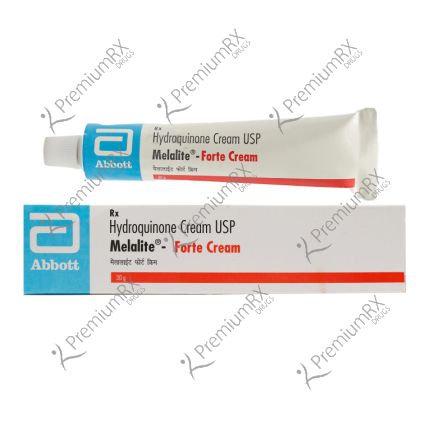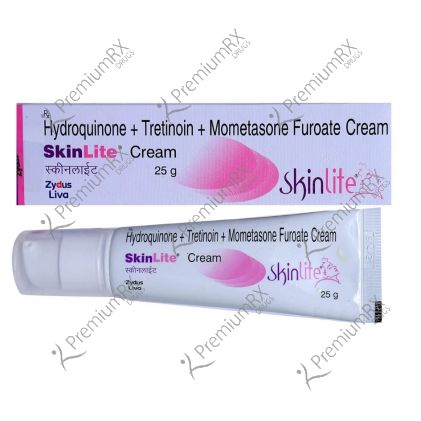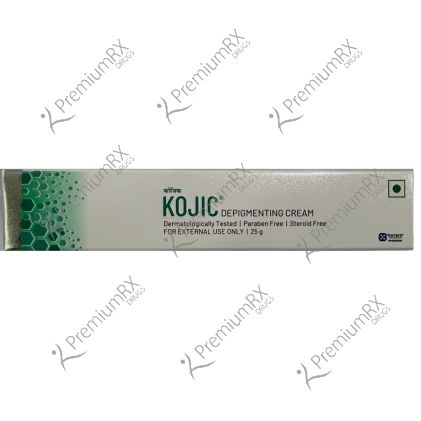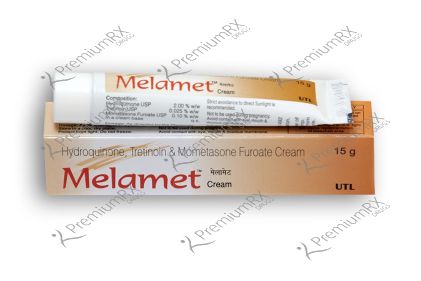
Melasma is a common yet challenging skin pigmentation condition that appears as dark brown or grayish patches on the face, particularly on the cheeks, forehead, nose, chin, and upper lip. It occurs due to excessive melanin production and is often triggered by sun exposure, hormonal changes, pregnancy, oral contraceptives, and genetic factors. While melasma is not harmful, it can significantly impact confidence and skin appearance. Effective treatment focuses on reducing pigmentation, preventing recurrence, and protecting the skin barrier.
Melasma treatment products are specially formulated to target uneven skin tone and discoloration at the source. These formulations work by regulating melanin production, accelerating skin cell turnover, and improving overall skin clarity. When used consistently and correctly, they help fade existing dark patches and prevent the formation of new pigmentation.
Most melasma treatment regimens include depigmenting agents that inhibit tyrosinase, the enzyme responsible for melanin synthesis. Ingredients such as hydroquinone alternatives, azelaic acid, kojic acid, retinoids, and antioxidants play a key role in lightening pigmentation and restoring a more even complexion. Retinoids help exfoliate pigmented skin cells and improve penetration of active ingredients, while antioxidants protect the skin from environmental damage.
Sun protection is a critical part of any melasma treatment plan. Daily use of a broad-spectrum sunscreen helps prevent UV-induced melanin stimulation, which is one of the leading causes of melasma recurrence. Without adequate sun protection, even the most effective melasma treatments may show limited results.
Melasma treatments are suitable for both men and women and can be used as part of a long-term skincare routine under medical guidance. Visible improvement usually begins within a few weeks, but optimal results may take several months depending on skin type, depth of pigmentation, and treatment consistency. Because melasma is a chronic condition, maintenance therapy is often required to keep pigmentation under control.
The main ingredients, and how they work
Hydroquinone is the gold-standard depigmenting agent. It blocks tyrosinase, the enzyme melanocytes use to make pigment. It's usually prescription-strength at 4% (over-the-counter versions, where legal, are capped lower, often 2%). It's effective but meant for short courses — typically 3–6 months — because prolonged, unsupervised use can cause ochronosis, a paradoxical blue-gray darkening of the skin that's hard to reverse. Dermatologists often prescribe it in cycles (use for a few months, then pause).
Tretinoin (a retinoid) speeds up skin cell turnover, helping pigmented cells shed faster and improving penetration of other actives. It's often combined with hydroquinone rather than used alone for melasma.
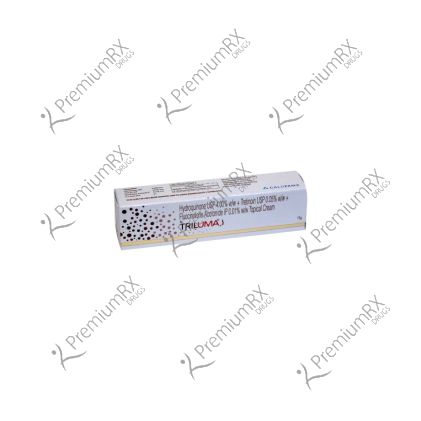
Triple combination creams (hydroquinone + tretinoin + a mild corticosteroid, like Triluma) are considered the most effective topical option in clinical studies. The steroid calms irritation from the other two ingredients and has its own mild depigmenting effect. These are typically used for limited periods since long-term steroid use on facial skin can cause thinning or rebound issues.
Azelaic acid and kojic acid are gentler, non-prescription-strength alternatives. They're less potent than hydroquinone but have a better long-term safety profile and are often used for maintenance or in people who can't tolerate stronger agents.
Vitamin C and other antioxidants don't fade existing pigment much on their own but help protect against the UV/oxidative triggers that cause melasma to worsen.
Non-negotiable: sun protection
Melasma is driven by UV and visible light. This means a broad-spectrum SPF 30–50+ sunscreen — ideally one with iron oxide, which blocks visible light in a way plain mineral/chemical sunscreens don't — is essential every single day, reapplied if you're outside. Without this, even the best treatment plan will underperform or the pigment will just come back.
What a dermatologist visit usually involves
The melasma products listed are:
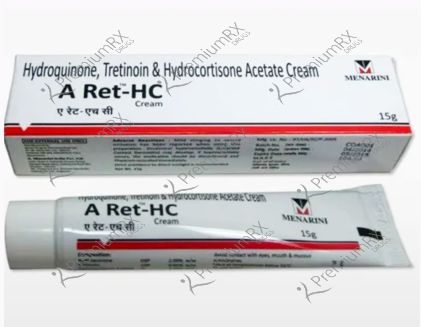
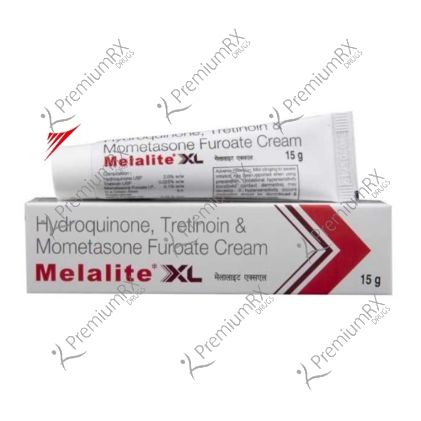
Most of these are variations on the same theme — hydroquinone as the core depigmenting agent, often combined with tretinoin (for turnover) and a mild steroid (to reduce irritation). Triluma and A Ret HC have the highest hydroquinone/tretinoin strengths of the group, while Kojic Cream is the gentlest, steroid-free option.
These products are typically applied once or twice daily to the affected areas, preferably at night, following cleansing. Users should avoid harsh skincare products, excessive exfoliation, and prolonged sun exposure during treatment. Mild redness or dryness may occur initially as the skin adjusts, but this usually subsides with continued use and proper moisturization.
Melasma treatment products offer a non-invasive, effective solution for managing facial pigmentation and achieving clearer, brighter, and more even-toned skin. With consistent use, sun protection, and a dermatologist-recommended routine, melasma can be significantly reduced and kept under long-term control.
Melasma is a common skin condition that causes dark brown or grayish patches on the face due to excess melanin production.
Melasma is mainly caused by sun exposure, hormonal changes, pregnancy, birth control pills, and genetic factors.
Visible improvement may appear in 4–8 weeks, while significant fading can take 3–6 months with consistent use.
Melasma cannot be cured permanently, but it can be effectively controlled with proper treatment and daily sun protection.
Yes, daily use of broad-spectrum sunscreen is essential to prevent worsening and recurrence of melasma.
Yes, most treatments are safe when used as directed under medical or dermatological guidance.
Top melasma treatments include hydroquinone (most effective depigmenting agent), tretinoin, azelaic acid, kojic acid, and triple combination creams (hydroquinone + tretinoin + corticosteroid).
Most topical treatments show visible improvement in 4–8 weeks. However, complete clearance may take 3–6 months of consistent use along with strict sun protection.
Yes, melasma can recur, especially with sun exposure. Ongoing sun protection (SPF 30+) is essential to maintain results and prevent relapse after treatment.
Hydroquinone is safe for short-term use (3–6 months) as directed. Long-term unsupervised use may cause ochronosis (skin darkening). Always use under dermatological guidance.
Some mild formulations are OTC. Prescription-strength hydroquinone and tretinoin require a prescription. PremiumRxDrugs offers both at competitive prices with worldwide shipping.
Melasma has a high rate of recurrence and is considered a chronic condition rather than one that can be permanently cured. It can be effectively managed and lightened with treatment, but consistent sun protection and maintenance therapy are essential to prevent relapse, particularly after sun exposure or hormonal changes.
Daily broad-spectrum SPF 50+ with iron oxide (blocking visible light) is the single most important habit. Apply every 2 hours outdoors. Wear a wide-brimmed hat. Avoid heat-generating skin treatments (laser, intense exercise) during active melasma flares. Vitamin C serum in the morning adds antioxidant photo-protection.
Yes. PremiumRxDrugs offers melasma treatments, including hydroquinone, tretinoin, and kojic acid at competitive discounted prices with worldwide shipping. Order your skin care medications securely online from PremiumRxDrugs and receive discreet delivery.