
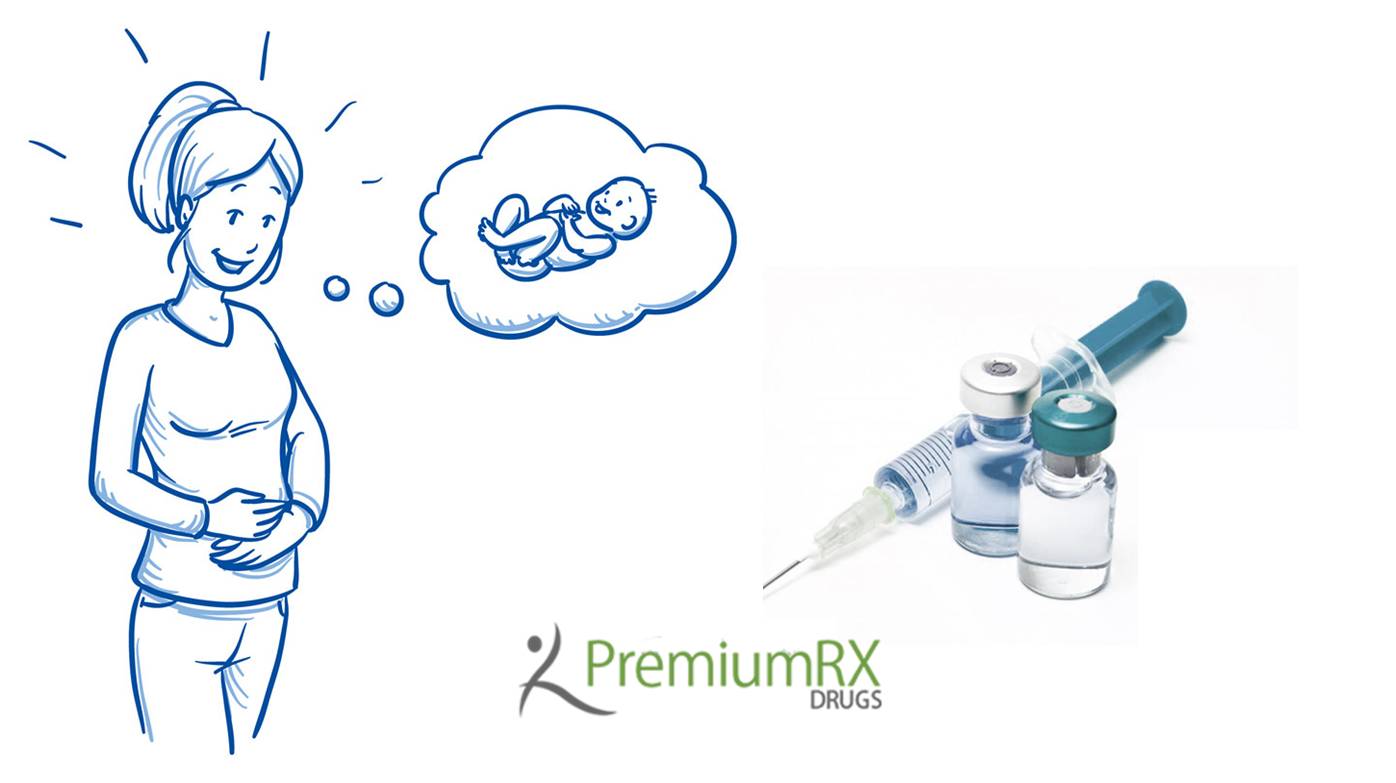
Gonadotrophins are injectable hormones produced naturally by the brain’s pituitary gland. They can be used to treat fertility issues in both men and women. Gonadotrophins help stimulate ovulation in women, while in men, they help improve sperm count.
Is gonadotrophins the right treatment for you?
- Gonadotrophins can be given to women with polycystic ovary syndrome or in women who have either not ovulated in response to clomifene citrate or in those who have ovulated but not yet conceived.
- It can be administered to women if they are having assisted conception treatments such as intra-vitro fertilization (IVF) or intrauterine insemination (IUI).
- This hormonal therapy can be given to a man who has a hormonal imbalance associated with decreased sperm count, poor sperm quality, or motility.
An individual undergoing this hormonal treatment must talk to his/her healthcare specialist about the chances of success using this drug and be clear about the precautions they need to take while using the drug. This way, you can weigh up the risks and benefits before starting the treatment.
Gonadotrophins success rate
According to studies, it has been suggested that seven in ten women who have ovulation issues caused by polycystic ovary syndrome (PCOS) have been found to ovulate after using a low dose of gonadotropins, and about four in ten have been found to become pregnant. Hormonal therapy is given to induce ovulation only after the failed use of fertility drugs such as clomifene citrate.
Many factors affect the ability to conceive, which include your age, weight, at which point in your cycle you have intercourse, and the motility of a man’s sperm.
The working mechanism of Gonadotrophins
Luteinizing hormone (LH) and follicle-stimulating hormone (FSH) are the two hormones that are produced by your body. Both play a vital role in stimulating the ovulation process in women. Gonadotrophins are given as injections to directly stimulate a woman’s ovaries to produce and ripen eggs. Most commonly, use gonadotropins FSH and LH. Both of these have been in use for a long time. These are known as human menopausal gonadotrophins (HMG).
Your healthcare provider will prescribe gonadotropins in combination with another popular hormone called human chorionic gonadotropin. This hormonal therapy helps in egg maturation and triggers ovulation, too.
Treatment duration of gonadotropins
If you are a woman and already ovulating, you can start the treatment at any time. If you are ovulating and undergoing IVF, you may be prescribed other hormonal treatments for the suppression of your natural menstrual cycle before you start injecting gonadotrophins. The treatment will continue for about 10 to 12 days each month. Your healthcare specialist will teach you how to inject these hormone trigger shots yourself to avoid travelling to the clinic every day. If you don’t want to administer the trigger shot yourself, you may show your partner how to inject the drug. But make sure you visit your healthcare specialist clinics regularly to monitor progress. During the treatment, your health care specialist will monitor when you are likely to ovulate. This means you will have frequent ultrasound scans that will be conducted by using a probe inserted into your vagina to check your ovaries. These scans will not cause any discomfort. You may also need blood tests to check the hormone levels. Once you are found to have mature eggs, you will be prescribed HCG shots to complete the egg maturing and release them.


