
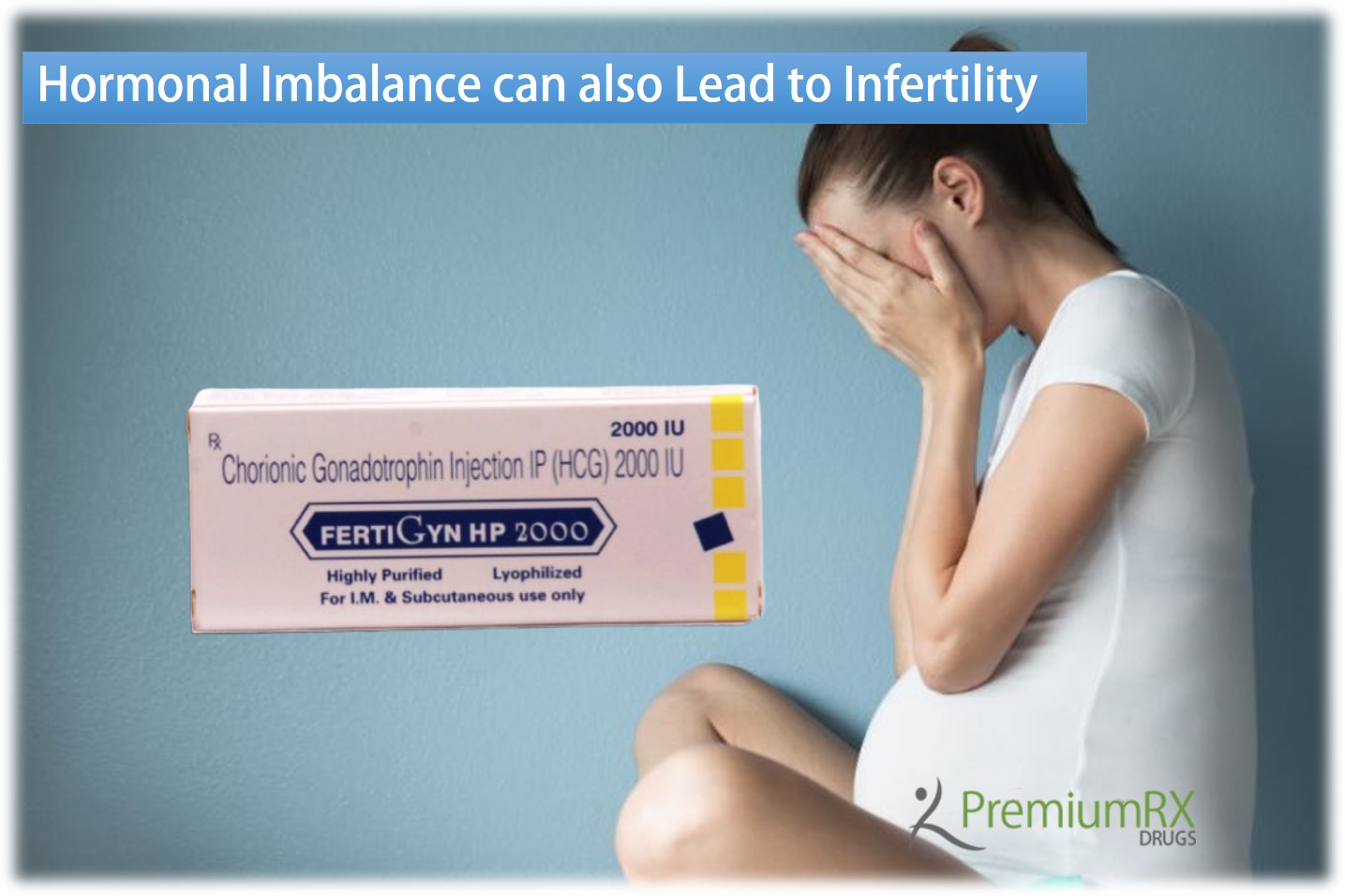
If you are trying hard but are unable to get pregnant, then go and test your hormone levels to check if they are normal. It’s medically proven that a hormonal imbalance can lead to infertility, so take all possible treatments to get out of this trauma.
It’s quite common to have hormonal imbalances, and both men and women are the victims of this problem. Since hormone level is directly connected with the fertility, it makes a bit difficult for the women conceive, so they seem to be the easy target of personal and social attack. The majority of the infertility problems due to hormonal imbalance can be treated successfully, so no need to get disappointed even if there is only 1% possibility.
Causes of hormonal imbalance:
The hormone works like a chemical messenger in the body, carried by the bloodstream to the organs and tissues. Any imbalance in the hormone level could be natural or due to an underlying health problem. Hormonal imbalance can lead to infertility, and it could affect women of any age. Some probable causes of hormonal imbalance include:
• Age
• Estrogen dominance
• Menopause
• Genetics
• Obesity
• Intense medication and, in some cases, consumption of birth control pills
• Stress
• Eating disorder
• Poor nutrition
• Cigarette smoking and excessive consumption of alcohol
• Overuse of non-organic and cosmetic products
• Low progesterone levels
• Unhealthy or unbalanced lifestyle
Symptoms of hormonal imbalance:
Some common signs and symptoms of hormonal imbalance include:
• Fatigue
• Obesity
• Depression
• Breast tenderness
• High blood pressure
• Increased body hair
• Increased belly fat
• Dizziness
Effects of Hormonal Imbalances:
Hormones not only work as a chemical communication system in the body, but also ensure the good development of your health. The polycystic ovarian syndrome or malfunction of the hormone gland could disturb the level of hormones (either too high or too low production of hormones). This imbalance disrupts ovulation that poses an infertility problem. Fortunately, the hormonal imbalance can be rectified through medication and, most importantly, dietary changes. You can buy HCG online from PremiumRxdrugs to get rid of infertility problems
There are some common hormonal imbalances identified in couples. They can somehow affect your capacity to conceive. Try to understand their natures and effects to treat them effectively.
• Progesterone imbalance
The imbalance in progesterone is very common in women, raising fertility and pregnancy issues. Women with low levels of progesterone experience a very short luteal phase, which affects the menstrual cycle and secretion of steroid hormones. A short luteal phase decreases the possibility of fertilised eggs being implanted in the uterus, increasing the risk of miscarriage.
• Prolactin imbalance
Prolactin hormone is responsible for allowing eggs to develop and mature in the womb. It’s also known for controlling the production of breast milk. Prolactin hormonal imbalance can lead to infertility and its deficiency makes a bit difficult for you to become pregnant. In most cases of prolactin imbalance, women remain unaware of its presence, which could be due to certain medications.
• Estrogen imbalance
Estrogen is another important hormone that helps determine reproductive capacity in women. The right balance of estrogen means you are able to maintain an optimal capacity of fertility, while a deficiency of estrogen prevents ovulation by not allowing the thickening of the uterine lining, which is needed to conceive successfully.
• Lutenizing hormone imbalance
Luteinizing Hormone (LH) is secreted by the pituitary gland and regulates menstrual cycles and ovulation. Luteinizing hormone tests are conducted to assess ovarian reserve. A high level of LH indicates the condition of menopause, while a low level represents the lack of a proper menstrual cycle. So, a disturbed period certainly causes fertility problems that may even last for a short time.
Treatment of hormonal imbalance:
The first and foremost step in diagnosing a hormonal imbalance is a blood test taken within 3 to 5 days of the period. A blood test is needed to assess ovarian reserve (the number of eggs remaining in the ovary). Check-ups of your thyroid function, progesterone level, estrogen levels, LH levels and prolactin levels are necessary if a hormonal imbalance is suspected for infertility. An ultrasound scan is also performed to see potential eggs. A urine test can also be conducted to determine if there is a urinary tract infection behind the infertility.
Medication to improve hormonal balance:
Several fertility-enhancing drugs include Clomiphene and gonadotropins. Bromocriptine is especially prescribed to optimise prolactin levels and thus reduce the hormonal imbalance that could lead to infertility. They increase the pituitary gland’s production capacity. Women with PCOS can take insulin-sensitising medications like Glucophage to improve glucose tolerance and insulin resistance.
Home treatment for hormonal imbalance:
The hormonal imbalance can be treated by adjusting the diet. Emphasise foods such as food supplements, fish, nuts, beans, eggs, coconut oil, omega-3 fatty acids, and green vegetables. Some lifestyle-related changes are required to combat infertility problems, such as:
• Avoid red meat and processed foods
• Avoid High Omega-6 Polyunsaturated Fats
• Limit the caffeine
• Give up smoking, alcohol and haphazard eating habits
• Avoid Toxins
• Takea full sleep
• Regular exercise
• Take help of yoga, meditation and deep breathing
Conclusion:
The optimal level of hormones is not the only indicator of a healthy body; your body and mind can function well even with a slight hormonal imbalance. When it comes to women, hormone levels are still a cause of concern, especially in cases of fertility. It’s possible that a hormonal imbalance can lead to infertility, but it can be diagnosed without spending too much. The simplest and most effective treatments are in your hands. Follow a healthy lifestyle to settle the hormonal issues.

Amelia Smith
Latest posts by Amelia Smith (see all)
- Careprost for Fuller Eyelashes - July 11, 2024
- Tips to Get Longer Eyelashes - July 10, 2024
- Tips to Boost Eyelash Growth - April 8, 2024


