
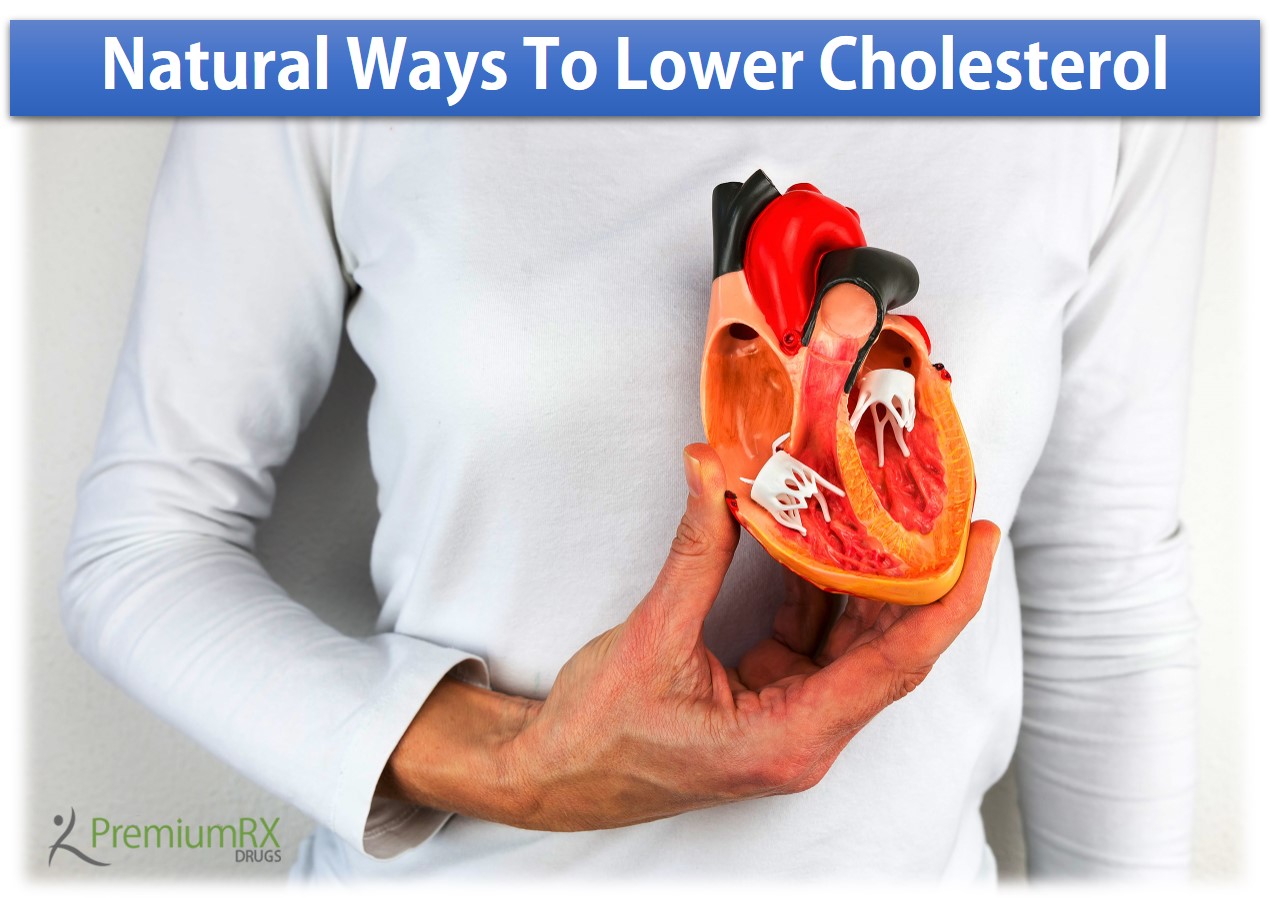
A fat-like substance found in the body’s cells is called cholesterol. Balanced cholesterol levels help lead a healthy life. Too much cholesterol not only increases the health risk but also affects your daily life.
Why does our body need cholesterol?
Our body needs cholesterol for building the cell membranes and to produce:
- Vitamin D
- Sex hormones
testosterone and estrogens - Bile acids
(it helps the body to digest food and its fat)
Our liver naturally produces the cholesterol our body needs. However, certain foods that contain cholesterol can trigger the liver to produce more cholesterol than the body needs.
High levels of LDL (Low-density lipoprotein) cholesterol increase the risk of heart disease, heart attack, and stroke. High cholesterol leads to fatty deposits building up on arterial walls, which affects overall heart health.
HDL(High-density lipoproteins) collects LDL cholesterol and other fats from the arteries and transports them back to the liver. The liver removes excess cholesterol by converting it into a digestive fluid called bile.
Although people should aim to have more HDL cholesterol than LDL cholesterol, the NHLBI recommends that adults keep their total cholesterol below 200 milligrams per deciliter.
Keep on reading to know the best natural ways to lower cholesterol
As stated above, the liver produces as much cholesterol as our body needs. Find below the natural ways to lower your cholesterol level.
Basic lifestyle changes can help you lower your cholesterol level naturally.
Monitoring cholesterol levels monthly is the best way to keep an eye on them. You can adjust your diet and lifestyle based on your cholesterol report. This way, you will be able to keep yourself away from the risk of heart disease and stroke.
Regular exercise and a healthy diet can help reduce the risk of high cholesterol.
The Best Natural Ways to Lower Cholesterol Are:
1. Saturated and Unsaturated Fat: Two types of fat found in our body: number 1 saturated and number 2 unsaturated.
Eating foods high in saturated fat can raise your blood cholesterol levels.
In the UK, most people eat too much saturated fat.
The foods that are high in saturated fat include:
- Salad
cream/mayonnaise - Ghee,
butter - Meat
pies - Hard
cheeses - Sausages
and fatty cuts of meat - hard
cheeses - Cakes,
biscuits and other bakery items - foods
containing coconut or palm oil - Chips
and wafers
Eating foods that contain unsaturated fat instead of saturated fat can actually help in reducing high cholesterol levels. Replace your foods containing saturated fats with small amounts of foods high in unsaturated fats, such as:
- Nuts
– i.e. almonds, walnuts - Seeds
– i.e. pumpkin seeds and sunflower - Oily
fish – i.e. salmon and mackerel - Avocados
- Vegetable
oils and spreads – i.e. sunflower oil, olive oil, vegetable oil, corn or walnut oil
2. Trans Fats
- Trans fats also raise cholesterol levels. This can be found
naturally in small amounts in foods like animal products, including meat, milk,
and dairy foods, etc. - Artificial trans fats can be found in hydrogenated fat, for
example, some type of processed foods, like cakes, biscuits contain trans fats.
3. Reducing Total Fat
A fat-like substance found in the body’s cells is called cholesterol. Balanced cholesterol levels help lead a healthy life. Too much cholesterol not only increases the health risk but also affects your daily life.
Why does our body need cholesterol?
Our body needs cholesterol for building the cell membranes and to produce:
- Vitamin D
- Sex hormones
testosterone and estrogens - Bile acids
(it helps the body to digest food and its fat)
Our liver naturally produces the cholesterol our body needs. However, certain foods that contain cholesterol can trigger the liver to produce more cholesterol than the body needs.
High levels of LDL (Low-density lipoprotein) cholesterol increase the risk of heart disease, heart attack, and stroke. High cholesterol leads to fatty deposits building up on arterial walls, which affects overall heart health.
HDL(High-density lipoproteins) collects LDL cholesterol and other fats from the arteries and transports them back to the liver. The liver works by disposing of excess cholesterol by converting it into a digestive fluid called bile.
Although people should aim to have more HDL cholesterol than LDL cholesterol, the NHLBI recommends that adults keep their total cholesterol below 200 milligrams per deciliter.
Keep on reading to know the best natural ways to lower cholesterol
As stated above, the liver produces as much cholesterol as our body needs. Find below the natural ways to lower your cholesterol level.
Basic lifestyle changes can help you lower your cholesterol level naturally.
Monitoring cholesterol levels monthly is the best way to keep an eye on them. You can adjust your diet and lifestyle based on your cholesterol report. This way, you will be able to keep yourself away from the risk of heart disease and stroke.
Regular exercise and a healthy diet can help reduce the risk of high cholesterol.
The Best Natural Ways to Lower Cholesterol Are:
1. Saturated and Unsaturated Fat: Two types of fat found in our body: number 1 saturated and number 2 unsaturated.
Eating a food
High in saturated fat can raise your blood cholesterol level.
In the UK, most people eat too much saturated fat.
The foods that are high in saturated fat include:
- Salad
cream/mayonnaise - Ghee,
butter - Meat
pies - Hard
cheeses - Sausages
and fatty cuts of meat - hard
cheeses - Cakes,
biscuits and other bakery items - foods
containing coconut or palm oil - Chips
and wafers
Eating foods that contain unsaturated fat instead of saturated fat can actually help in reducing high cholesterol levels. Replace your foods containing saturated fats with small amounts of foods high in unsaturated fats, such as:
- Nuts
– i.e. almonds, walnuts - Seeds
– i.e. pumpkin seeds and sunflower - Oily
fish – i.e. salmon and mackerel - Avocados
- Vegetable
oils and spreads – i.e. sunflower oil, oliv oile, vegetable oil, corn or walnut oil
2. Trans Fats
- Trans fats also raise cholesterol levels. This can be found
naturally in small amounts in foods like animal products, including meat, milk,
and dairy foods, etc. - Artificial trans fats can be found in hydrogenated fat, for
example, some type of processed foods, like cakes, biscuits contain trans fats.
3. Reducing Total Fat
Reducing the total fat in your diet can also help lower your risk of heart disease.
Instead of frying or roasting, switch to :
- Steaming
- Grilling
- Poaching
- Microwaving
- Boiling
Choose lean cut pieces of meat and go for lower-fat dairy products and spreads, or eat a smaller amount of full-fat varieties.
4. Cholesterol and Fibre
Eating lots of fibre is the coolest way to lower the risk of heart disease and body fat. Foods high in fibre can help lower cholesterol levels naturally.
30 grams of fibre a day can help keep your (adult) cholesterol levels in check.
Typically, a diet should include a mixture of fibre sources, which include:
- wholegrain bread or cereals
- Vegetables and fruits
- Oats and barley
- Pulses, soybean, lentils, and peas
- Seeds and nuts
- Potatoes without peeling
Aim to eat about 5 portions of a variety of fruit and vegetables a day.
5. Become Active
An active lifestyle can drastically help lower your cholesterol level.
A regular brisk walk, moderate exercise, and activities can range from walking and cycling, jogging, aerobics, and yoga, which are some of the ways to keep yourself active.
Doing 2 to 3 hours of moderate aerobic exercise every week can improve your cholesterol levels.
Most of the time, doctors prescribe Statins, which help lower your cholesterol.
Other than
natural ways, the doctor also suggests the medication to people whose
cholesterol is found to be very high or have been diagnosed with chronic heart
disease.
Speak to your health care provider today, if you have high cholesterol and need Statins, he will prescribe it and monitor the progress of your cholesterol for how long you need the treatment.
Reducing the total amount of fat in your diet can also help reduce your risk of heart disease.
Instead of frying or roasting, switch to :
- Steaming
- Grilling
- Poaching
- Microwaving
- Boiling
Choose lean cut pieces of meat and go for lower-fat dairy products and spreads, or eat a less amount of full-fat varieties.
4. Cholesterol and Fibre
Eating lots of fibre is the coolest way to lower the risk of heart disease and body fat. Foods high in fibre can help lower cholesterol levels naturally.
30 grams of fibre a day can help keep your (adult) cholesterol levels in check.
Typically, a diet should include a mixture of fibre sources, which include:
- wholegrain bread or cereals
- Vegetables and fruits
- Oats and barley
- Pulses, soybean, lentils, and peas
- Seeds and nuts
- Potatoes without peeling
Aim to eat about 5 portions of a variety of fruit and vegetables a day.
5. Become Active
An active lifestyle can drastically help lower your cholesterol level.
A regular brisk walk, moderate exercise, activities can range from walking and cycling, jogging, aerobics, yoga are some of the ways to keep yourself active.
Doing 2 to 3 hours of moderate aerobic every week can improve your cholesterol levels.
Other than natural ways, the doctor also suggests the medication to people whose cholesterol is found very high or have been diagnosed with chronic heart disease.
Most of the time doctors prescribe for Statins, these medicines help lower your cholesterol.
Speak to your health care provider today, if you have high cholesterol and need Statins, he will prescribe it and monitor the progress of your cholesterol for how long you need the treatment.

Latest posts by Marie (see all)
- HCG for Men: Uses, Benefits, and Important Considerations - September 18, 2026
- Alpha Blockers for Blood Pressure and Prostate: A Patient’s Guide to Alpha Blockers - September 17, 2026
- Allergy Medications Guide: Best Treatments for Seasonal, Skin & Food Allergies - September 17, 2026


