
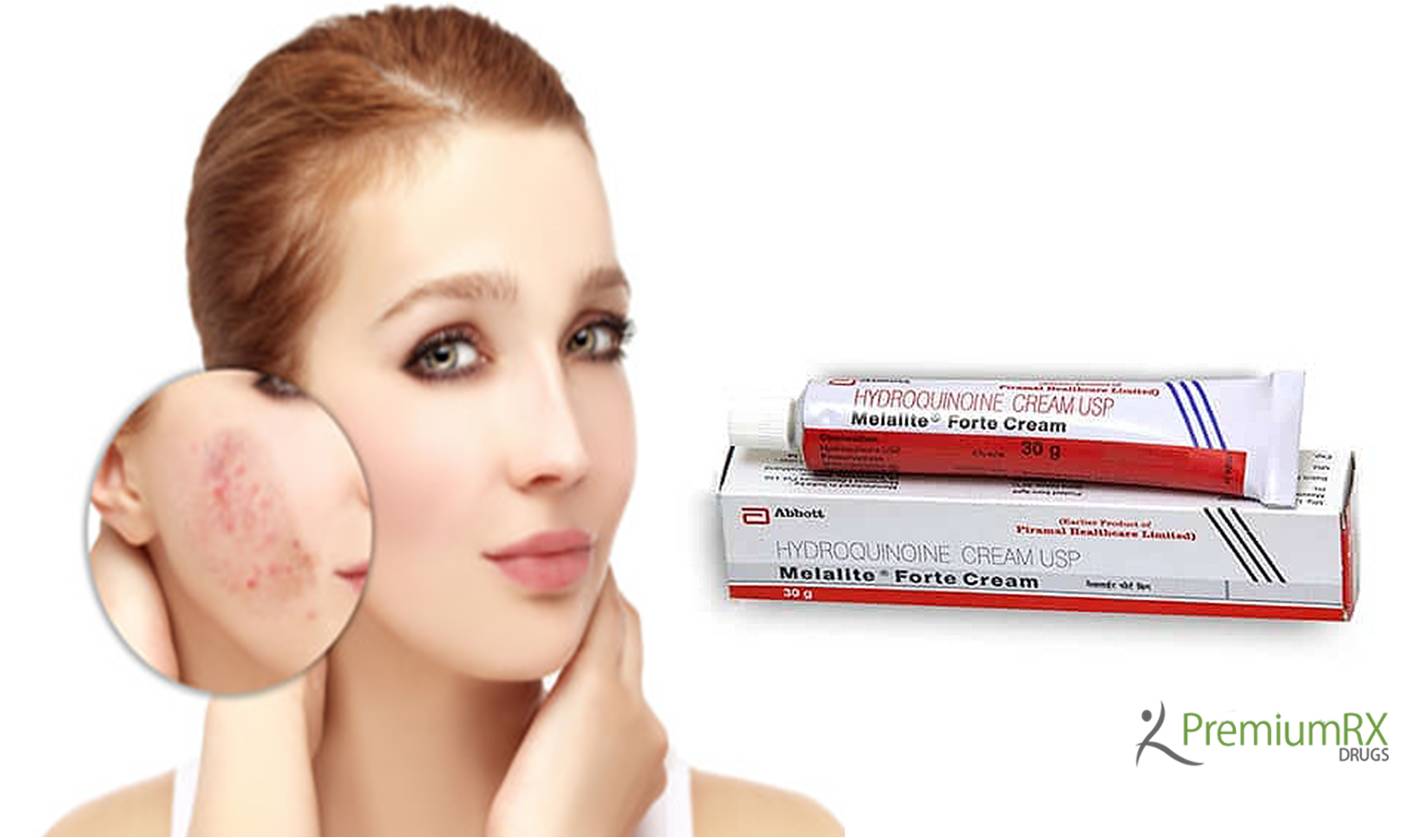
There are numerous possible treatment options for reducing the appearance of scars. Hydroquinone is one such solution that also helps with old scars. This article discusses Hydroquinone, its effectiveness, and whether it can help remove old scars.
Understanding scars
Some causes of scarring include acne, wounds, eczema, and sunburn. Scarring can either darken or lighten skin. These effects are described as hyperpigmentation and hypopigmentation, respectively. The colour of the skin may also change. For example, eczema may cause the skin to appear grey, brown, or purple.
The treatment of the scar depends on its cause and appearance. For example, a keloid scar may require surgery, whereas medicated creams or gels could be more suitable for acne scars. Fine scars may diminish on their own. A dermatologist may recommend the best treatment for an individual to achieve the best results.
Understanding Hydroquinone
Hydroquinone is frequently found in skin-lightening products, such as bleaching preparations. It limits melanin production, which darkens your skin. While some people use Hydroquinone to lighten their skin, hydroquinone formulations are generally used to lighten small sunspots or hyperpigmentation in a small skin area.
Hydroquinone creams are an excellent non-surgical aesthetic procedure to help you achieve the skin you have always wished for. The application of 4% Hydroquinone is a cosmetic procedure that can be done at home after your initial consultation with your dermatologist. If you have old sunspots or dark patches, topical Hydroquinone can lighten them if used correctly. It can help your skin recover from damage caused by excessive sun exposure.
How does Hydroquinone work?
In some people, melanocytes produce excessive melanin, resulting in dark patches of skin. The condition is often referred to as melasma. These can appear as brown-grey patches, typically on the nose, cheeks, chin, upper lip, and forehead. Some people may also develop dark patches on the neck and arms. Although women are more likely to develop melasma, it also develops in some men. The type of hyperpigmentation is common among pregnant women due to the fluctuation in their hormones. Sun exposure can also cause this skin issue.
Whatever your reasons for considering hydroquinone creams, you must consult a skincare expert. The effects are not immediate, and you must apply hydroquinone 4 cream as directed by your trained professional for the specified time. Generally, it takes around four weeks for the effects to become noticeable. However, some patients may see improvement within little to no time, even with the best hydroquinone preparations.
What skin condition benefits from Hydroquinone creams?
The most common use of hydroquinone creams is to treat skin conditions that cause hyperpigmentation. Besides melasma, these skin issues include acne scars, freckles, age spots, eczema marks, and psoriasis.
Hydroquinone can help with old acne scars, but it won’t help if you currently have an active breakout that’s causing dark redness.
Is Hydroquinone cream safe for all skin tones and skin types?
Whatever your skin type, speak with your skincare expert before using a hydroquinone cream. While most skin types tolerate a Melalite hydroquinone formulation well, there are exceptions.
Individuals with dry or sensitive skin may find that using a hydroquinone formulation makes their skin even drier or more irritated. Sometimes, those side effects fade as the skin adjusts to the new formulation.
What are the side effects?
Almost all medicines have side effects, and the hydroquinone formulation is no different. Some side effects of using bleaching cream are similar to those of any change in your skincare regimen, such as irritation.
But if you are prone to contact dermatitis or skin irritation, you may not be a good candidate for hydroquinone treatment. One of the most commonly reported side effects of Melalite Forte cream is increased susceptibility to ultraviolet rays and sunburn. Therefore, it is important to wear sunscreen on bright days. Also, you should use a high-SPF sunscreen, even on hazy days. The protection measures should include full sleeves, clothes, and hats.
You must keep your skin protected throughout the skin-lightening therapy, which can be long. Keep in mind that Hydroquinone is not a quick fix. If you do not protect your skin from UV radiation and hydrate it throughout the treatment, there is an increased risk that your dark spots will reappear and become darker than ever.
One major reason hydroquinones are controversial is that many people order bleaching cream online from rogue pharmacies that do not follow necessary safety standards.


