
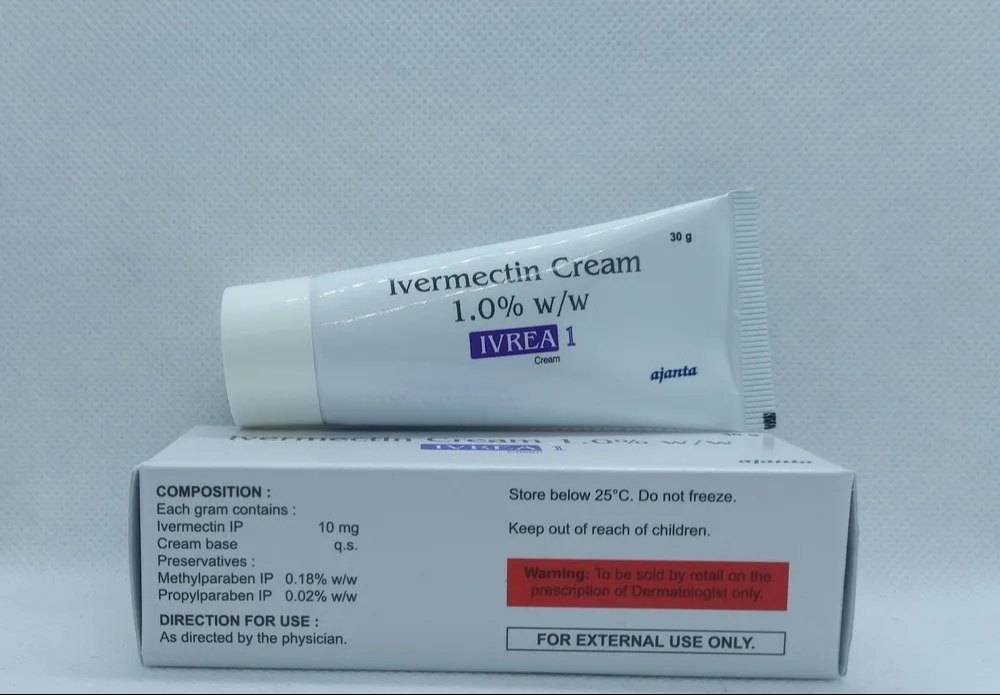
Rosacea is one of the most frustrating skin conditions to live with — it flares without warning, responds slowly to treatment, and often leaves people cycling through product after product with little relief. Ivrea 1% Cream, a topical ivermectin formulation manufactured by Ajanta Pharma, has become a go-to option for dermatologists treating the inflammatory bumps and persistent redness that define this condition. This guide walks through exactly what the cream does, how to use it correctly, what to expect along the way, and how it compares to other rosacea treatments.
Understanding Rosacea First
Before getting into the treatment itself, it helps to understand what’s actually happening on the skin. Rosacea is a chronic inflammatory condition that primarily affects the central face — cheeks, nose, chin, and forehead. It tends to show up in cycles: periods of relative calm followed by flare-ups triggered by anything from sun exposure and spicy food to stress, alcohol, or temperature swings. There are several recognised subtypes, ranging from persistent flushing and visible blood vessels to the papulopustular form, where inflamed bumps and pustules dominate the picture.
What makes rosacea especially frustrating is that it’s not fully curable — it’s managed, not eliminated. That reframes the goal of any treatment, including Ivrea: the aim isn’t a one-time fix but sustained control that keeps flares infrequent and mild. Understanding that going in helps set realistic expectations for how a topical ivermectin cream fits into a longer-term care plan.
What is Ivrea 1% Cream?
Ivrea 1% Cream is a prescription topical medication built around ivermectin, an active ingredient more commonly known for its antiparasitic properties. In dermatology, that same mechanism is repurposed to target one of the suspected drivers of rosacea: an overgrowth of Demodex folliculorum, a microscopic mite that lives in facial hair follicles. In small numbers, these mites are harmless and universal — nearly everyone has them. In rosacea patients, however, populations can spike, triggering an inflammatory response that presents as redness, swelling, and acne-like bumps (clinically known as papules and pustules).
Ivrea works on two fronts at once. It directly reduces the mite population and independently calms the skin’s inflammatory response — so even swelling and redness that aren’t purely mite-driven tend to improve with consistent use. This dual action is part of why ivermectin creams have become a preferred first-line option over older single-mechanism treatments.
Who Is Ivrea 1% Cream For?
Dermatologists typically prescribe Ivrea for adults dealing with papulopustular rosacea — the subtype marked by visible bumps and breakouts, rather than the type defined mostly by flushing and visible blood vessels. It’s most often reached for when:
- Facial redness and breakouts have persisted despite basic skincare changes
- Bumps resemble acne but haven’t responded to typical acne treatments
- A patient wants a once-daily regimen rather than a more demanding routine
- A doctor wants to avoid the resistance concerns that come with long-term oral antibiotics
It is not intended for children, and safety data for use during pregnancy or breastfeeding is limited, so those situations call for a direct conversation with a healthcare provider before starting treatment.
Key Benefits of Ivrea 1% Cream
Reduces inflammatory bumps and pustules. By calming the immune response triggered by Demodex overgrowth, Ivrea helps reduce the number and severity of active lesions over the course of treatment.
Fades persistent redness. Beyond the bumps themselves, ongoing inflammation is a major contributor to the flushed, uneven look associated with rosacea. Reducing that inflammation tends to even out skin tone over time.
Addresses a root cause, not just symptoms. Many older rosacea treatments manage inflammation without touching the mite population that may be driving it. Ivrea’s dual mechanism means it’s working on both the trigger and the reaction.
Simple, once-daily application. Compliance is one of the biggest hurdles in any long-term skin treatment. A single daily application is easier to stick with than multi-step or twice-daily regimens, which matters for a condition that requires months of consistency to see full results.
Improves comfort, not just appearance. Many patients report that burning, stinging, and tightness — sensations that often accompany rosacea flares — ease alongside the visible improvement.
Minimal systemic absorption. Because it’s applied topically and absorption into the bloodstream is limited, the risk of systemic side effects associated with oral medications is much lower.
How to Use Ivrea 1% Cream Correctly
Getting consistent results with Ivrea comes down to technique as much as it does patience. The general routine looks like this:
- Cleanse first. Wash the affected area with a mild, non-irritating cleanser and pat the skin dry — don’t rub, since friction can aggravate already-sensitive rosacea skin.
- Apply a thin layer. Using clean fingertips, spread a small, pea-sized amount evenly across the affected areas of the face. More product does not mean faster results — over-application increases the risk of irritation without accelerating improvement.
- Avoid sensitive areas. Keep the cream away from the eyes, lips, and inside the nose. If accidental contact happens, rinse thoroughly with water.
- Stick to a schedule. Apply once daily, ideally at the same time each day — many patients find an evening routine easiest to maintain consistently.
- Wash your hands afterwards (unless your hands are also being treated), and let the cream fully absorb before layering on moisturiser, sunscreen, or makeup.
- Don’t double up on a missed dose. If you forget an application, apply it as soon as you remember, unless it’s nearly time for the next one — never apply extra to compensate.
Storage matters too. Keep the cream at room temperature, away from direct sunlight, excess heat, and moisture, and make sure the tube is sealed tightly between uses to preserve its stability.
How Long Does It Take to Work?
Patience is the single biggest factor in successfully treating rosacea with Ivrea. Most patients notice early improvements — slightly less redness, fewer new breakouts — within two to four weeks. But the more meaningful, stable results typically show up between eight and twelve weeks of continuous, daily use. Some patients even see a temporary uptick in redness or irritation in the first couple of weeks as their skin adjusts; this isn’t necessarily a sign the treatment is failing, but any worsening that feels severe or doesn’t settle should be flagged to a healthcare provider.
Because rosacea is a chronic, relapsing condition, some patients continue low-frequency maintenance use even after their symptoms clear, while others use it only during active flare-ups. Either approach should be guided by a dermatologist’s recommendation based on how your skin responds.
Possible Side Effects
Most people tolerate Ivrea 1% Cream well, and side effects — when they occur — tend to be mild and temporary, especially in the early weeks of treatment.
Common, usually mild reactions:
- Dryness or flaking
- Mild burning or stinging shortly after application
- Itching or redness at the application site
- A temporary feeling of tightness
These often ease as the skin adjusts, and a gentle, non-comedogenic moisturiser (checked with your provider first) can help in the meantime.
Less common but worth watching for:
- Rash or noticeably worsening inflammation
- Allergic-type skin reactions
- Eye irritation if the cream makes accidental contact
Seek medical attention promptly if you experience:
- Severe itching or facial swelling
- Difficulty breathing
- Any signs of a serious allergic reaction
It’s also worth knowing that a temporary worsening of rosacea symptoms early in treatment doesn’t automatically mean the medication isn’t working — but persistent or severe flare-ups should always be discussed with your doctor rather than pushed through on your own.
Ivrea vs. Other Rosacea Treatments
Rosacea has several established treatment options, and how Ivrea compares depends on what a patient has already tried:
- Vs metronidazole gel: Metronidazole works primarily through antibacterial and mild anti-inflammatory effects. Ivermectin’s additional antiparasitic effect against Demodex mites provides a broader mechanism, which is part of why many clinical comparisons have favoured ivermectin for reducing lesion counts.
- Vs azelaic acid: Azelaic acid offers solid anti-inflammatory benefits but may be more irritating to sensitive skin. Ivrea is often better tolerated over long stretches of daily use.
- Vs oral antibiotics (like doxycycline): Oral options treat rosacea systemically, which carries a higher risk of side effects and long-term antibiotic resistance. A topical option like Ivrea keeps treatment localised to the skin that actually needs it.
None of this makes Ivrea universally “better” — the right treatment depends on rosacea subtype, severity, skin sensitivity, and what a patient has already tried. A dermatologist is best positioned to weigh those factors.
Branded Ivrea vs. Generic Ivermectin Cream
Generic ivermectin cream contains the identical active ingredient at the same 1% concentration, and regulatory bioequivalence standards mean it should perform comparably in practice. The main differences tend to be in inactive ingredients (the cream base) and price, rather than in core effectiveness. For many patients, the choice comes down to cost and insurance coverage rather than any meaningful difference in outcomes.
Precautions to Keep in Mind
Before starting Ivrea, it’s worth flagging a few precautions:
- Let your provider know about any known allergies or past reactions to topical medications.
- The cream is for external use only — never on open wounds, broken skin, or active infections unless a doctor specifically directs otherwise.
- Rosacea-prone skin is often sun-sensitive, so daily broad-spectrum sunscreen and sun-protective habits are worth pairing with treatment.
- Mention any other topical products you’re using regularly (e.g., exfoliants, retinoids, alcohol-based toners), as these can compound irritation when combined with ivermectin cream.
- Pregnant or breastfeeding individuals should discuss risks and benefits directly with a healthcare provider before use.
Supporting Treatment With Lifestyle Changes
Medication alone rarely tells the whole story with rosacea. Most dermatologists pair a topical treatment like Ivrea with broader habit changes that reduce how often flares happen in the first place:
- Identify your personal triggers. Common culprits include sun exposure, hot beverages, spicy food, alcohol (especially red wine), and rapid temperature changes. Keeping a simple flare diary for a few weeks can reveal patterns that aren’t obvious in the moment.
- Simplify your skincare routine. Fewer products, applied gently, tend to outperform elaborate multi-step routines when skin is already inflamed. Harsh scrubs, alcohol-based toners, and heavy fragrance are worth cutting during active treatment.
- Prioritise sun protection. UV exposure is one of the most consistent triggers of rosacea. A daily broad-spectrum sunscreen, along with a wide-brimmed hat when possible, does a lot of preventive work that medication alone can’t.
- Be gentle with the temperature. Extremely hot showers, saunas, and cold winter wind can all provoke flushing. Lukewarm water and protective barriers (like a scarf in cold weather) help minimise this.
- Give it time before judging the results. Because visible improvement builds gradually over weeks, switching products too early — out of frustration — is one of the most common reasons rosacea treatment plans stall out.
None of these steps replaces medical treatment, but combined with consistent use of Ivrea, they tend to produce more stable, longer-lasting results than medication alone.
The Bottom Line
Ivrea 1% Cream offers a targeted, once-daily approach to a condition that’s historically been difficult to manage consistently. Its dual mechanism — reducing Demodex mite populations while calming inflammation — addresses more of what’s actually driving rosacea symptoms than treatments that tackle inflammation alone. Results take time, typically eight to twelve weeks for full effect, and mild irritation in the first few weeks is common and usually temporary. As with any prescription treatment, working with a dermatologist to monitor progress and adjust the broader skincare routine offers the best chance of long-term symptom control.
This article is intended for general informational purposes and does not replace professional medical advice. Always consult a licensed healthcare provider before starting, stopping, or changing any treatment for rosacea or other skin conditions.

Latest posts by Marie (see all)
- HCG vs Semaglutide: Can They Be Used Together for Weight Loss? - October 3, 2026
- HCG vs Semaglutide for Weight Loss: Uses, Benefits & Differences - October 1, 2026
- Budesonide Formoterol Inhaler: Uses, Dosage and How to Use It - September 28, 2026


