
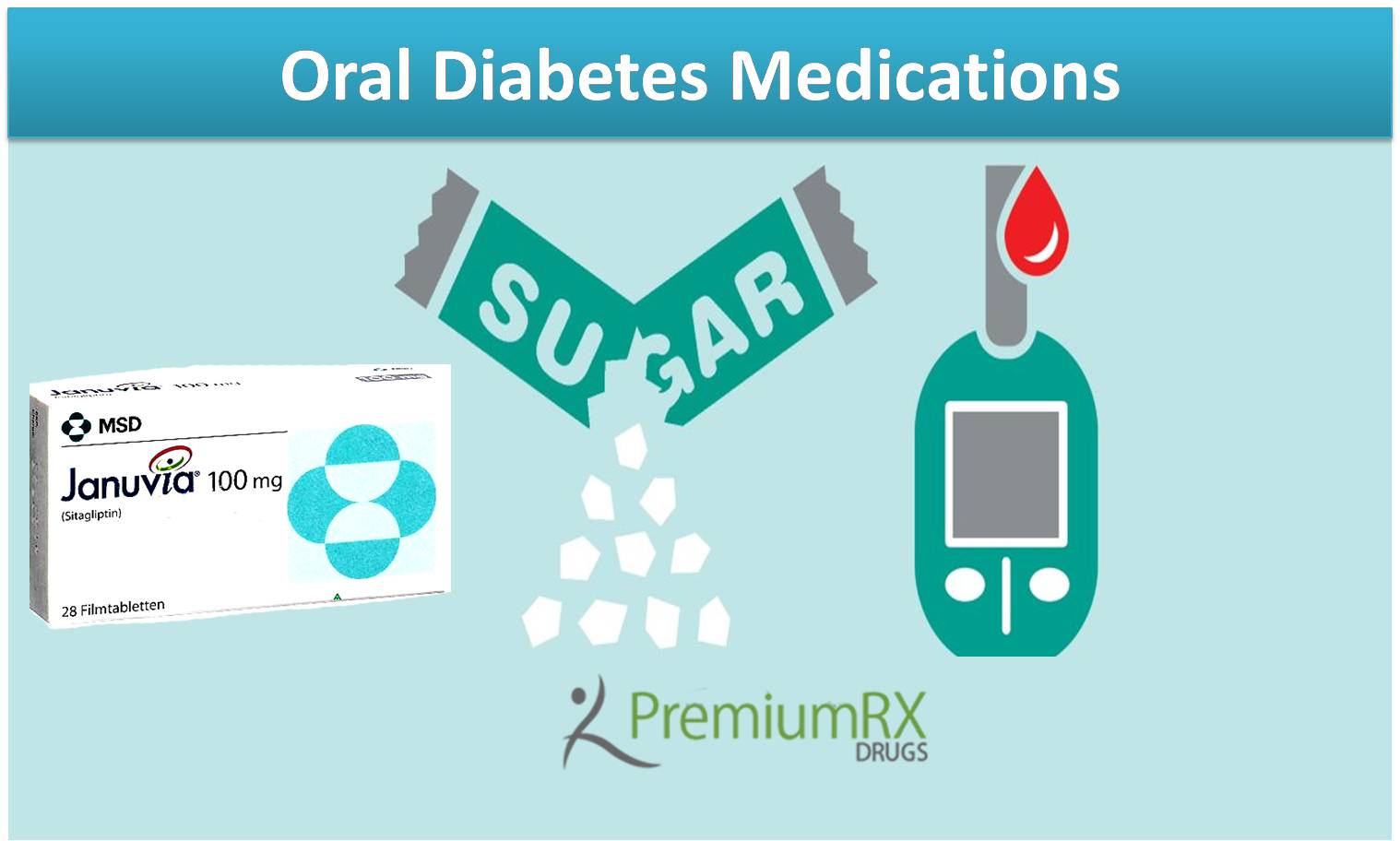
Diabetes treatment comprises oral diabetes medications, diet, insulin, or a combination of these. People with Type 2 diabetes should always consult their physician before taking any medications or changing prescribed doses.
What is Diabetes?
Diabetes is the top pressing health issue in the nation. About 1.5 million people in the USA are diagnosed with the metabolic disorder every year, and many are at risk of this health condition. Among the vast majority of those who are diagnosed with diabetes, about 90 to 95% have Type 2 diabetes. There is no cure for Type 2 diabetes, but you may be able to manage the condition by following a healthy lifestyle, including eating well, staying active through regular exercise, etc. But sometimes these changes are not just enough. Medicinal therapy is the backbone of oral diabetes treatment. For Type 2 diabetes, medication treatment begins with oral metformin, an antidiabetic drug that helps lower blood glucose levels. When Metformin alone is not sufficient to achieve complete control of high blood sugar levels, other medicines may be added to metformin to manage the condition. Some patients may also require injectable insulin.
What medicines could your physician prescribe?
Sulfonylureas- These medications stimulate the pancreas to produce more insulin, but the insulin production is not related to increased blood glucose levels. These medicines are therefore more likely to cause hypoglycemia or low blood sugar levels. Common sulfonylureas are Glipizide, Glimepiride, and Glyburide. Glipizide is a common oral antidiabetic drug used in patients with kidney disease; no dose adjustment is required for this medicine. Carefully follow your physician’s instructions while taking Glipizide and undergo regular glucose monitoring to avoid the hypoglycemic condition. Tin people with chronic kidney disease and renal stage disease, Glimepiride should be used cautiously, and changes to the dosing schedule should be based on fasting blood glucose concentrations.
The most common side effects of these medicines include low blood sugar or hypoglycemia. Patients using Sulfonylureas should recognise the symptoms and know how to treat them because severe low blood sugar is possible with all medications in this class.
- Dipeptidyl peptidase 4 (DPP-4) inhibitors
Examples of these drugs are Sitagliptin and Saxagliptin. These lower blood sugar levels are achieved by increasing insulin production from the pancreas and decreasing the amount of glucose released by the liver. Januvia is also a DPP-4 inhibitor that helps to lower blood sugar levels. Its use may require dose adjustment for patients with impaired kidney function. Common side effects of both drugs include a sore throat, nausea, upper respiratory tract infection, runny or stuffy nose, headache, and upset stomach.
- Alpha-glucosidase inhibitors
An alpha-glucosidase inhibitor like Acarbose slows carbohydrate digestion, reducing the rate at which glucose is absorbed from the colon. It will not lower blood sugar levels unless taken with another oral anti-diabetic agent or insulin.
In addition to taking prescribed medicines, you should also manage your diabetes by monitoring your glucose levels, eating a healthy diet, exercising regularly, and maintaining a healthy weight. Good blood glucose control can help prevent diabetes-associated complications and may improve your quality of life.

Latest posts by Marie (see all)
- Semaglutide for PCOS: Can It Help with Weight Loss, Insulin Resistance & Irregular Periods? - October 17, 2026
- Semaglutide Side Effects: Common Symptoms, Serious Risks & Safety Tips - October 16, 2026
- How to control high cholesterol: self-care at home? - October 15, 2026


