
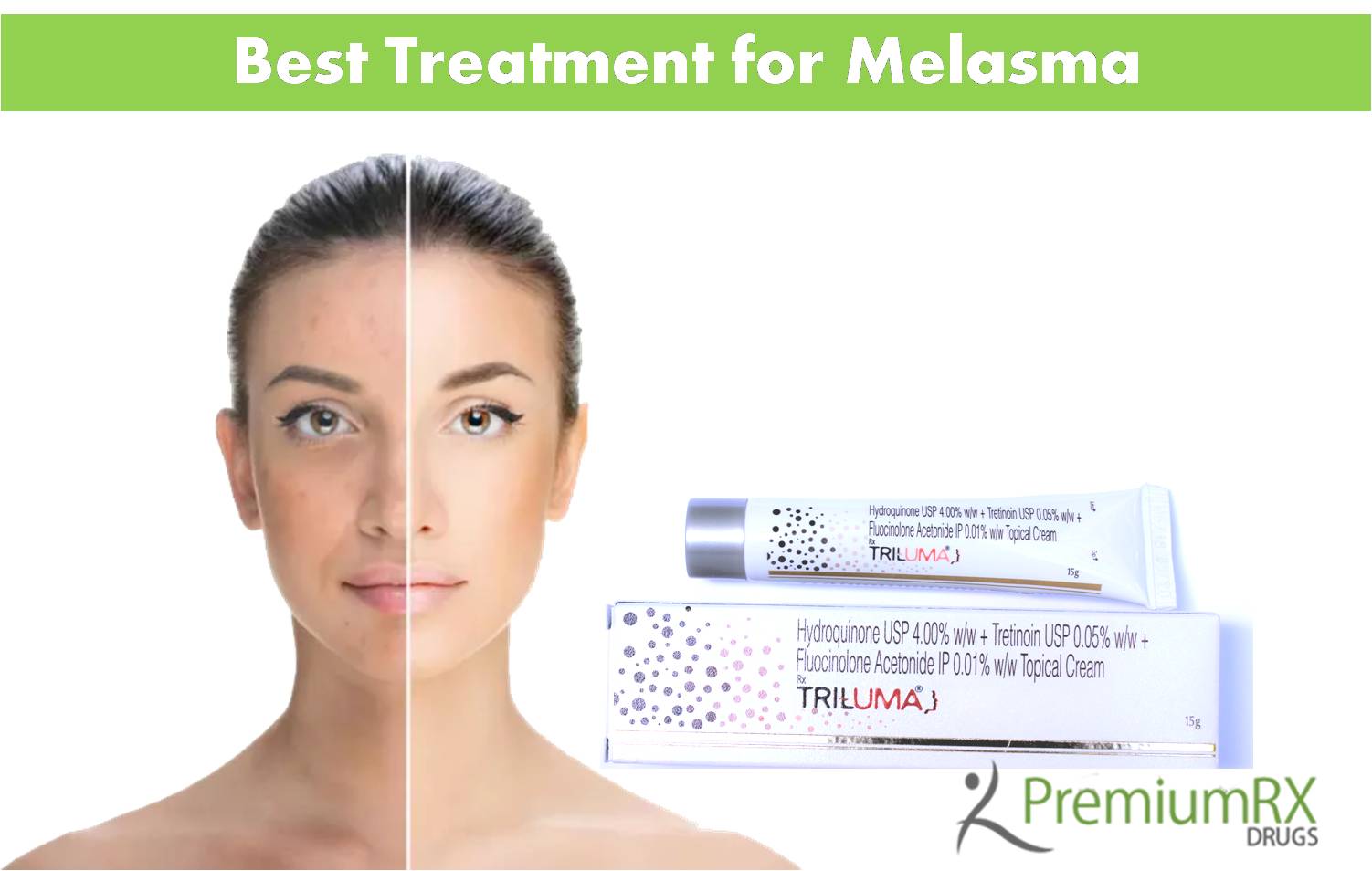
Skin discolouration is a very common condition. Many of us ignore them because they don’t affect our health, while others are too busy to worry about skin imperfections. But when we spend a few minutes in front of the mirror, we often think why these unwanted pigmented spots have suddenly appeared on our face. These pigmented spots are generally known as melasma. This page will help you to understand everything about melasma.
What is Melasma?
Our skin is pigmented due to melanin. People with fair complexions tend to have less melanin than those with darker skin. We all have sun increase melanin in our skin. Melanocytes, the cells that produce melanin, can be affected by hormonal imbalances, ageing, genetics, pregnancy, and skin-irritating products.
How can you treat Melasma?
The best approach is to recognise why the skin becomes discoloured. Is it due to the natural ageing process, certain hormone imbalance, sun damage, etc.? Once you know the cause of pigmentation patches, you can choose the treatment that best suits your skin condition. Here are some treatment methods for melasma:
- Treatment with Prescription Medications
- Talk to your primary care physician if you are experiencing any hormonal changes, and ask about ways to help your body’s hormones return to a healthy level. Before going to a dermatologist, you can ask your primary physician about melasma creams that can reduce your imperfections.
- Stop medications that may contribute to melasma- medications such as contraceptive pills and hormone replacement therapy (HRT) can disbalance your hormones and give rise to melasma. Discuss this with your physician and stop taking these medications if you develop melasma spots. Although the skin condition is quite common during pregnancy and is sometimes called the mask of pregnancy, these discoloured patches can also appear with medications and conditions that affect your hormone levels. Birth control pills and HRT are the two most common causes of melasma after pregnancy. Consider an alternative to the birth control pill to fade your dark patches. However, it is not possible to stop HRT, so consider adjusting your dosage to reduce the risk of discolouration. Consult your physician before making any changes.
- Ask for Hydroquinone Treatment- You can get many over-the-counter products containing hydroquinone, but it is always better to consult a physician or dermatologist. He/she can prescribe a stronger version that is more effective and safer for skin lightening. Hydroquinone formulations are available as creams, gels, lotions, or liquids. It is known to block the natural chemical process in the skin that produces melanin. Since melanin is responsible for dark skin pigmentation, the appearance of dark patches associated with melasma will also be reduced.
- Consider using a skin-lightening agent as a second treatment. Hydroquinone formulations are used as a first treatment in most cases; your dermatologist might prescribe a skin lightening agent to enhance the effect. Tretinoin and corticosteroid preparations are most frequently used as a secondary treatment. These are believed to speed up the process of shedding old cells and to be replaced by the new ones. You might even get a formulation with a triple combination including hydroquinone, corticosteroid, and tretinoin. Other options include kojic acid or Azelaic acid, which work by slowing the production of skin-darkening pigment.
- Professional Procedures for Melasma Treatment
- Check out Chemical Peel- If topical treatments do not bring a solution, consider light chemical peel ones that contain glycolic acid and another similar chemical to peel the affected top layer of the skin. The chemical may cause a mild burn. As the burned layer peels off, the underlying, melasma-free skin is left behind. However, the procedure doesn’t work if the underlying hormonal imbalance has not treated.
- Microdermabrasion: During these treatments, the epidermis, the uppermost layer of the skin, is gradually removed, leaving fresh, melasma-free skin. The technique involves spraying free crystals onto the skin to remove the surface’s dead skin cells. Using a vacuum, crystals and exfoliated skin cells are removed.
- Try Laser Therapy: A restorative or fractional dual-laser therapy may target pigmentation on the skin’s surface. Be careful with laser treatments, as some can worsen the mask rather than stripping away the affected skin.
- Treating Melasma with Home Remedies
- Protect your skin from sun rays- Apply broad-spectrum sunscreen and wear protective clothing to protect your skin against sun damage. Sun protection can help prevent an outbreak of melasma and may reduce the appearance of existing patches and spots. Apply a sunscreen with SPF 30 or higher 20 minutes before stepping outside. In addition, consider the option with added nutrients, such as zinc, to benefit your skin. Double sun screening is also a good option. You can try applying an SPF 15 layer beneath an SPF 30 layer for more protection against harmful UV rays. When it comes to protective clothing, choose a wide-brimmed hat and large sunglasses to protect your face. If your condition worsens, consider wearing long-sleeved tops and pants. Try to stay away from the sun as much as possible.
- Reduce stress- Stress can worsen hormonal imbalances, and if your culprit is a hormonal imbalance, finding stress-reducing techniques is necessary to help treat your melasma. You can try meditation and yoga to calm down. Moreover, give your hobbies some time, or do the things you enjoy most.
- Try holistic treatments: ingredients known to be applied topically include bearberry, vitamin C, lemon peel, apple cider vinegar, mandelic acid, and lactic acid. All of these can reduce the production of pigment-producing compounds in your skin without causing sunburn or sun sensitivity.
- Pick paper mulberry- The plant has many medical uses; its extract can be used orally and topically to treat melasma. If you use products containing paper mulberry as instructed on the product, you will notice a significant reduction in your pigmented spots.


