
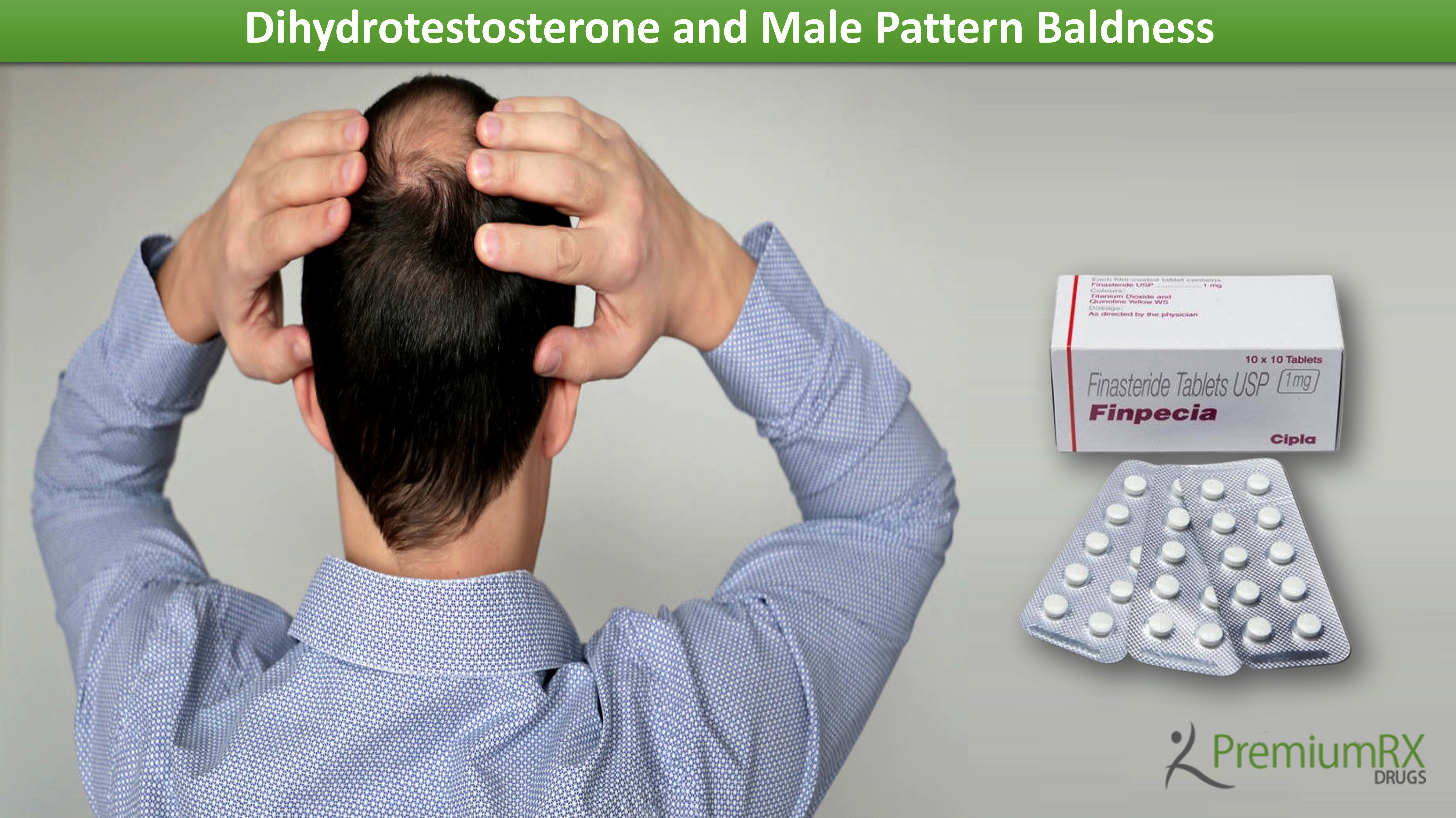
Male pattern baldness, also known as androgenetic alopecia, is a type of hair loss that affects ageing men. It causes gradual hair loss, which can sometimes lead to baldness in 15 to 25 years or within just 5 years.
Although baldness is a natural effect of ageing, it can be a distressing problem. There is no set age for male-pattern baldness. While in most cases, clear signs may not appear until 50, the process may have begun as early as their 20s. Some men suffer significant hair loss very early in life.
Male pattern baldness starts with thinning hair at the sides, with a little thinning on top—these are early signs of male pattern baldness. Slowly, the middle section of the scalp develops a bald patch. This bald patch joins with the thinning sides, ultimately leading to a front patch. With time, this front patch recedes as well. Often, some hair is left at the back of the scalp and extends up to the sides. However, in some men, male-pattern baldness leads to a completely bald scalp.
One of the major causes of male pattern baldness is changes in the male hormone testosterone. Male pattern baldness is genetic, meaning the condition is hereditary. In such cases, men have hair follicles sensitive to dihydrotestosterone (DHT) due to hereditary factors. Such hair follicles have a short lifespan and, after a point, stop producing hair. In a few rare cases, male pattern baldness could also result from chronic diseases, medications, or stress.
A dermatologist who physically examines the scalp under magnification diagnoses male pattern baldness. A densitometer may be used for this process. This helps to study the hair follicles and their condition to implement a proper treatment plan. Some clinics may also ask you to get a scalp biopsy or an advanced hair analysis to rule out poisoning as a cause of hair loss. However, it is better to stick with an experienced, reputable dermatologist who can assist you with your problem. Also, early diagnosis increases the likelihood of keeping the problem in check.
So, how do you stop male pattern baldness? You have the option to go for male pattern baldness natural treatments or take medication. Treatment can help stop the progression of baldness and, in some cases, boost hair re-growth. Alternative medicines and therapies have also become popular in recent years.
There are various other treatment options, such as hair transplantation. These procedures have been in place for many years, but remain rather expensive. Also, the success rate varies from one person to another. Those interested in scalp flaps and other procedures should speak with a specialist to discuss their options.
The most popular home remedies for male pattern baldness include snake oils, and you should ensure you don’t spend your money on something worthless. The key to treating this problem is to spot early signs of male-pattern baldness and act quickly. With early intervention, there is a higher chance of success.


Max Jones
Latest posts by Max Jones (see all)
- How to Revive Your Sex Life - October 27, 2023
- Smoking and Asthma - October 20, 2023
- 10 Causes Of Erectile Dysfunction You Probably Didn’t Know About! - June 29, 2023


