
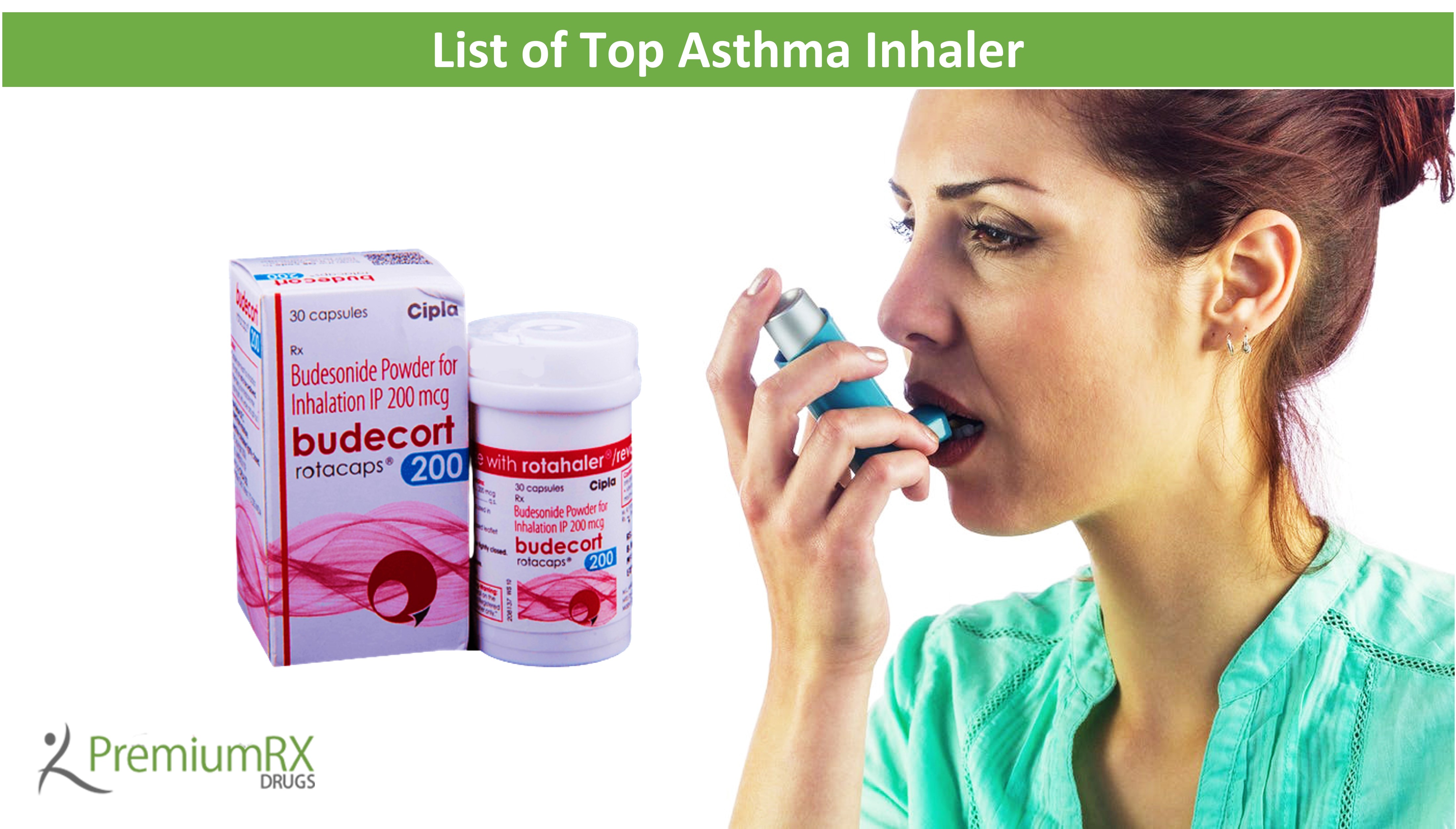
Inhalers are lifelines for most asthma patients. They are especially made to deliver medication directly to the site of action within seconds, relieving symptoms, preventing attacks, and improving long-term lung health. This blog explores how life changes when asthma symptoms are managed with the right inhaler medicine.
Understanding life with asthma
Asthma is a chronic inflammatory condition of the airways characterised by hyperreactivity, leading to bronchial obstruction. It is diagnosed and differentiated from other respiratory diseases based on patients’ medical history and lung function testing using spirometry and pulmonary function tests. The prevalence of asthma has increased immensely over the last few years. Current data suggests that about 334 million adults are believed to be dealing with asthma worldwide.
The life of people living with asthma is unpredictable. Some days are normal, while others are marked by sudden breathlessness, coughing, and a tight chest. For millions of people, asthma is not just a disease; it is a daily management challenge. But what can keep you going and successfully manage the sudden or ongoing symptoms is the right inhaler medicine that carries the potential to transform life with asthma, helping asthmatics to regain control and comfort.
Why does the right inhaler therapy matter?
Not all asthma patients require the same inhaler. Choosing the right inhaler generally depends on symptom severity, asthma episode frequency, age, and lifestyle habits, even if the patient responds to the medicines. Inhalation treatment plays a crucial role in the management of asthma and other respiratory illnesses. Compared with systemic asthma medication, inhalation therapy delivers medicine directly to the airways in the lungs, where it is needed. This results in quicker and more effective onset of action with minimal side effects. According to several asthma management guidelines, inhaled bronchodilators are considered the first-line treatment for asthma.
On the other hand, inhaled corticosteroids are the most prescribed inhaler drug for long-term management of chronic asthma. A variety of inhalation devices are available worldwide, including dry powder inhalers, nebulisers, and pressurised metered-dose inhalers. Currently, metered-dose inhalers are the most preferred inhaler devices worldwide due to their minimal side effects, greater portability, and better effectiveness, with appropriate deposition of active components in the lungs. Data reveal that about three million adult patients with asthma globally are estimated to be using metered dose inhalers.
Different types of asthma medicines and treatments
Four types of asthma medicines and treatments are available:
- Quick-relief medicines – These are used during a sudden asthma episode to relieve symptoms quickly. They relax the muscles around the airways, thereby facilitating airflow. Commonly prescribed reliever inhalers are salbutamol and levosalbutamol.
Benefits:
- Fast acting to provide immediate relief
- Effective in cases of exercise-induced asthma symptoms
- Crucial for emergency cases
- Controller medicines, or preventive medicines, help control asthma by addressing underlying changes in the airways, such as swelling and excess mucus. You can either be prescribed one or a combination of medicines. They are meant to be used daily, even in the absence of symptoms. Commonly used preventive inhalers include inhaled corticosteroids (budesonide, fluticasone, beclomethasone) and combination inhalers (budesonide-formoterol or fluticasone-salmeterol).
Benefits
- Reduce inflammation
- Prevents asthma episodes
- Improve overall lung function
- Reduce the use of quick relief medicine.
- Combination inhalers (quick-relief and controller medicines) – These are used to manage both short-term relief and asthma control. They are specifically effective in managing moderate to severe asthma.
Benefits:
- Better control than a single-ingredient inhaler
- Reduces the risk of sudden attacks
- Nebulisers and add-on devices – For individuals with severe asthma or children, nebulisers and spacers are especially recommended to ensure the medicine reaches the deepest parts of their lungs.
How does a right inhaler transform life?
When the right inhaler is introduced and used correctly, breathing becomes easier for the user. Simple daily activities like walking, talking, climbing stairs, playing a favourite sport, or even laughing no longer trigger discomforting symptoms. It significantly improves the quality of life. Night-time asthma symptoms are no longer disturbing your sleep. The right preventive inhaler can reduce nighttime coughing and wheezing, helping you sleep better. Asthma will not stop you from enjoying exercise or outdoor activities. With adequate symptom control, one can freely participate in swimming, running, and even sports competition. Controller inhalers are especially recommended for preventing exercise-induced bronchospasm, helping individuals stay fit. Uncontrolled asthma can lead to frequent hospitalisation and emergency visits. The right asthma inhaler helps reduce the frequency and severity of asthma episodes, helping patients maintain stable lung health.
Correct inhaler technique: A game changer
Appropriate inhaler technique is crucial for achieving desired results in effectively managing asthma. Inappropriate inhaler technique may result in treatment failure. Patients following the wrong inhaler technique are reported to have poor symptom control and are more likely to misuse inhalers, since they try to control exacerbated symptoms. This results in increased hospitalisation, higher treatment costs, and an economic burden on patients.
Metered-dose inhalers are the most frequently used and dispensed dosage form in inhalation therapy because they deliver the active pharmaceutical ingredient directly to the bronchioles (the smallest airways), thereby bypassing the first-pass effect and reducing systemic side effects. Since inhalers are an integral part of the asthma action plan, patients should be aware of proper inhaler technique.
Every asthma patient requires a personalised asthma action plan, and they should be adequately trained in asthma management and therapy techniques. Physical demonstration helps patients understand the inhaler technique. Therefore, to ensure correct usage, inhaler technique should be monitored regularly, as incorrect use is an important factor in asthma-related morbidities. Patients without guidance on using an inhaler device are five times more likely to use it improperly.
Final takeaway!
The lives of asthma patients should not be restricted. With the right inhaler education, individuals can regain control of their breathing and enjoy a more active life. Inhalers are powerful tools in asthma care, as they enhance overall lung function and help prevent attacks.


