
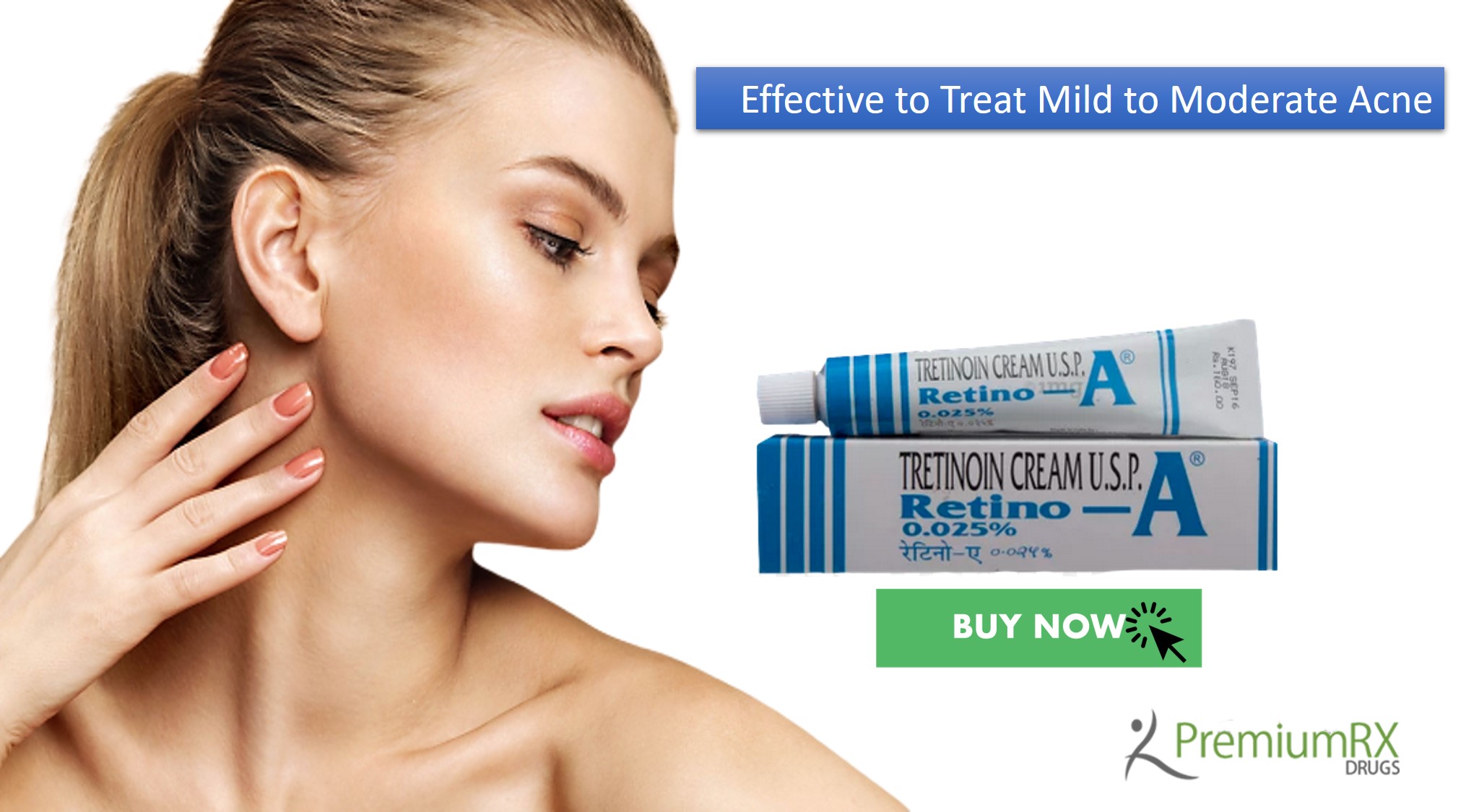
Tretinoin plays a crucial role in treating acne by inhibiting the formation of microcomedones and inflammatory lesions. Acne is a common condition affecting 80 to 85% of adolescents worldwide, and around 15 to 30% require intensive medical treatment. A recommendation for tretinoin is useful for achieving the best results in most cases of acne vulgaris.
The dermatologist has consistently prescribed tretinoin treatment for most patients with acne. The efficacy is based on research evidence that the drug has a mechanism that directly targets acne and reduces its appearance. Tretinoin cream is considered effective in controlling acne breakouts because it is active against comedones and inflammatory lesions. It has been a mainstay of acne treatment for 25 years. The drug is available in different concentrations, including 0.025%, 0.05%, and 0.1%. All are effective as single agents for treating mild to moderate acne, but their efficacy and tolerability differ. Tretinoin contains retinoids, which are the core of topical acne therapy because they are comedolytic and anti-inflammatory, helping stubborn acne clear the skin.
How does Tretinoin Treat Acne?
There are several approaches to controlling acne. Some products contain salicylic acid or benzoyl peroxide, which work to open clogged pores. However, in more severe cases, topical or oral antibiotics, in combination with pore cleansers, are used to control acne. Tretinoin preparation works differently. The topical cream contains retinoids, derivatives of vitamin A, which are considered extremely effective for treating blackheads and whiteheads. Its regular use promotes the production of new skin cells and the elimination of dead skin cells, thereby unclogging blocked pores. This helps in preventing the formation of new blackheads and whiteheads. Tretinoin is marketed under the brand name Retino A cream, one of the best-selling retinoid formulations worldwide. The product is supplied in both cream and gel form. It is believed that Tretinoin creams are less potent than gels. Irritation may occur; therefore, precautions must be taken when starting the treatment. Use of Tretinoin also increases the risk of sunburn; avoid exposure to sunlight when applying Retino A cream.
Tips for using Tretinoin Cream
The biggest tip to remember while using a Tretinoin preparation is to be consistent. Consistency plays a key role when it comes to effectively treating acne. Skipping application will delay the results and cause your acne to appear back. With regular and consistent use, you will be able to see the fastest results. You may need to have patience as the topical therapy takes time before a noticeable improvement in your skin. You may need to wait for several weeks sometimes a bit more to see effects. Don’t attempt to slather on more medication or apply more often than advised by your dermatologist. By applying more medication, you will only increase your chances of getting annoying side effects and it won’t clear up your acne any faster. Moreover, during the treatment, you may get new breakouts, so at the time there is no need to panic. As the treatment passes several weeks, breakouts will slowly become fewer. If you are not able to see improvement in your acne even after using it for the recommended time period, it is the time to see your dermatologist.
Can Tretinoin cause problems?
Along with its beneficial effects, a tretinoin formulation can cause unwanted side effects, though not everyone experiences them. Some of the most common ones associated with creams containing Tretinoin are redness, dry skin, skin peeling, itching, and irritation. you will find a full list from your dermatologist. These unwanted effects often improve as your body eventually adjusts to the topical treatment. If you have persistent trouble, speak to your dermatologist.
Conclusion
Retinoids are widely used in skin medication and play a key role in treating skin issues, not just limited to acne. These are used as first-line treatment for various skin conditions, and the treatment regimen should be tailored to the individual’s condition. Tretinoin should be used under a dermatologist’s supervision. Results may vary; some individuals may experience better effects than others with retinoid therapy. It is important not to forget that overuse can contribute to chronic skin dryness, discolouration, and irritation. If you experience any of these side effects, immediately speak to your dermatologist. Appropriate use may minimise its irritative effects.

Latest posts by Marie (see all)
- Peptide Science: Understanding Peptides, Their Biology, Uses and Future in Medicine - September 22, 2026
- HCG for Men: Uses, Benefits, and Important Considerations - September 18, 2026
- Alpha Blockers for Blood Pressure and Prostate: A Patient’s Guide to Alpha Blockers - September 17, 2026


