
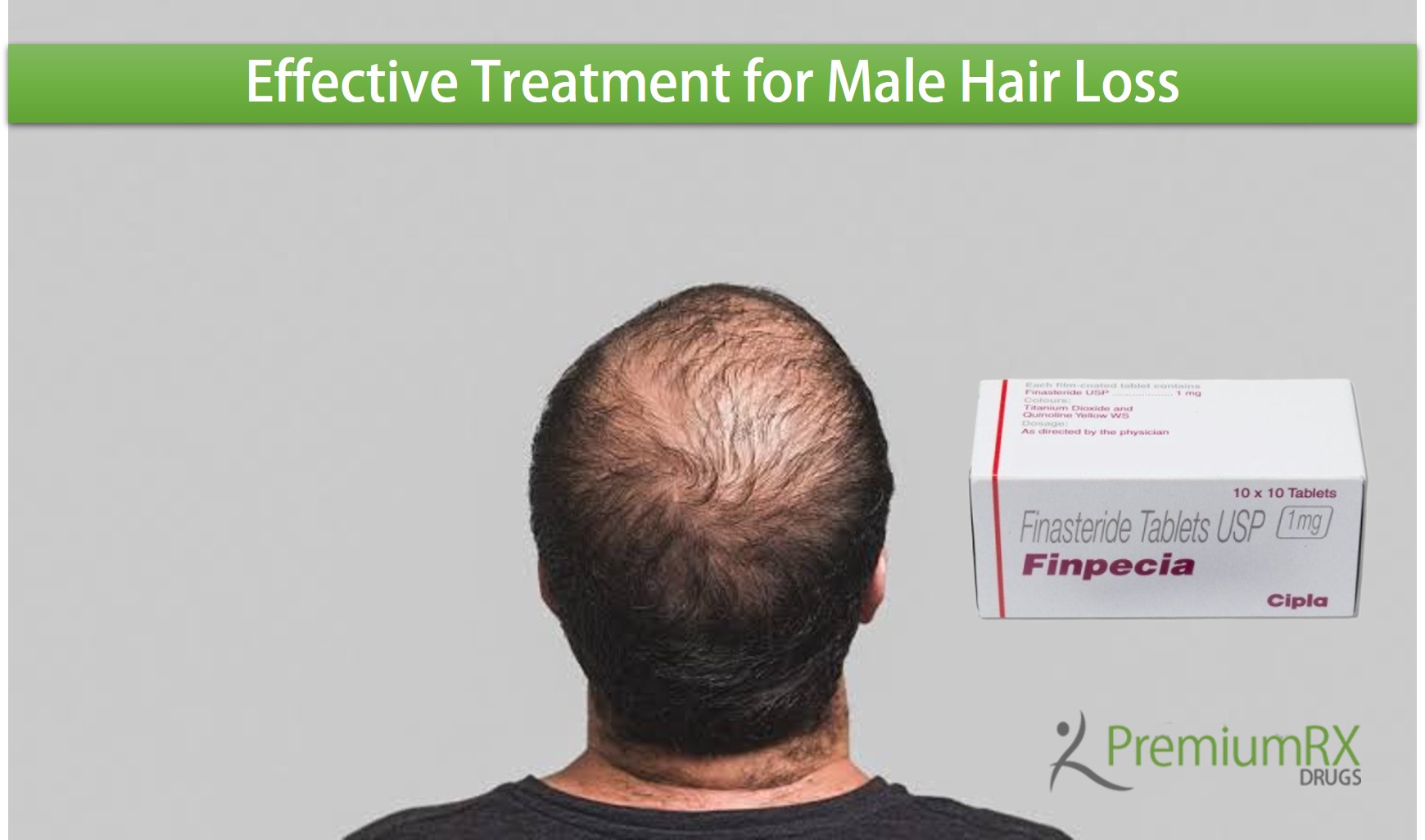
Hair loss is one of the most common concerns people bring up with a dermatologist, and for good reason — it’s rarely just about appearance. A receding hairline or thinning crown can chip away at confidence, and for many men it arrives earlier and faster than they expect. The good news is that male pattern baldness is one of the most researched forms of hair loss, and effective medical treatment exists. Among the most widely prescribed options is Finpecia 1mg, a finasteride-based tablet that has helped millions of men slow down — and in many cases reverse — the thinning process.
This guide walks through what Finpecia actually does, how it works in the body, who it’s meant for, what results to realistically expect, and the precautions and side effects you should know about before starting treatment.
What Is Finpecia 1mg?
Finpecia is a prescription oral tablet containing 1mg of finasteride, a synthetic compound belonging to a drug class called 5-alpha-reductase inhibitors. It’s manufactured as a more affordable, bioequivalent alternative to the branded version of finasteride (Propecia), containing the identical active ingredient at the same strength.
Finasteride 1mg is approved for treating androgenetic alopecia — the clinical term for male pattern baldness — specifically in the mid-scalp and vertex (crown) regions. It is intended for adult men only; it is not approved or recommended for women, and it should never be used by anyone who is pregnant or may become pregnant.
How Finpecia Works: The Science Behind DHT
To understand why Finpecia works, it helps to understand what causes male pattern baldness in the first place.
Testosterone, a hormone naturally present in the body, is converted by an enzyme called 5-alpha-reductase into a more potent hormone called dihydrotestosterone (DHT). In men who are genetically predisposed to hair loss, hair follicles on the scalp are unusually sensitive to DHT. Over time, DHT causes these follicles to shrink — a process called miniaturisation — producing progressively finer, shorter hairs until the follicle eventually stops producing visible hair altogether.
Finasteride works by inhibiting the 5-alpha reductase enzyme, which reduces the amount of testosterone converted into DHT. Lower scalp DHT levels mean less follicular miniaturization, which allows existing hair to strengthen and, in many men, allows some dormant follicles to resume growth. This is why finasteride is considered a treatment that addresses the underlying hormonal driver of hair loss, rather than simply masking the symptoms.
It’s worth noting that Finpecia doesn’t work instantly — because it’s altering an ongoing biological process, results build up gradually over months of consistent use.
Who Should Use Finpecia?
Finpecia 1mg is generally prescribed for:
- Adult men aged 18 to 41 experiencing mild to moderate androgenetic alopecia
- Men with thinning specifically in the crown and mid-scalp areas (finasteride’s approved indication)
- Men who have been evaluated by a doctor or dermatologist and have a confirmed diagnosis of pattern hair loss (rather than hair loss from another cause, such as a thyroid condition, nutritional deficiency, or telogen effluvium)
Finpecia is not appropriate for:
- Women, particularly those who are pregnant, breastfeeding, or of childbearing potential — finasteride can cause serious harm to a developing male fetus, even from handling broken or crushed tablets
- Men under 18
- Anyone with a known hypersensitivity to finasteride or its inactive ingredients
Because hair loss can have multiple underlying causes, a proper diagnosis matters. Getting your hair loss “graded” by a dermatologist — using scales such as the Norwood-Hamilton classification — helps determine whether finasteride alone, a combination approach (such as pairing it with topical minoxidil), or another treatment path is most appropriate for your specific pattern of loss.
How to Take Finpecia 1mg
Finpecia is typically taken as one 1mg tablet daily, with or without food, at roughly the same time each day to build a consistent routine. Some general guidance:
- Swallow the tablet whole; do not crush or split it, especially if a woman who is or may become pregnant is present in the household, as absorption through skin contact is a risk with broken tablets.
- It can take three months or longer of daily use before any visible improvement appears, since hair growth cycles are slow.
- Consistency matters far more than any single dose — missing doses or taking it inconsistently significantly reduces effectiveness.
- If you stop taking Finpecia, any hair regrowth gained during treatment is typically lost within 9 to 12 months, as DHT levels return to baseline and the underlying miniaturization process resumes. For lasting results, ongoing treatment is generally necessary.
Always take Finpecia under the guidance of a doctor or dermatologist, who can also monitor your progress and adjust your broader hair-loss treatment plan if needed.
What Results Can You Expect?
Clinical studies on finasteride 1mg have shown that, with consistent daily use:
- A majority of men experience a slowing or halting of further hair loss
- A substantial proportion see visible regrowth, particularly in the crown/vertex area
- Improvement is usually gradual, with most users noticing initial change around the 3-to-6-month mark, and more complete results by 9 to 12 months
Results vary from person to person and depend on factors like the extent of hair loss at the time treatment starts (earlier intervention tends to produce better outcomes), genetics, and consistency of use.
Precautions and Things to Know
Before starting Finpecia, keep the following in mind:
- Avoid blood donation while taking finasteride and for a period after stopping, since donated blood could be given to a pregnant woman, and finasteride in the bloodstream may pose a risk to a male fetus.
- Finasteride can interfere with PSA (prostate-specific antigen) blood test results, a test used to screen for prostate conditions. Let any doctor ordering this test know you’re taking finasteride, as results may need to be adjusted or interpreted differently.
- Some men report changes in sexual function, including reduced libido or difficulty with ejaculation, while on treatment. For most, this resolves after stopping the medication, though the timeline for recovery varies by individual.
- Discuss your full medical history, including any liver conditions or other medications, with your prescribing doctor before starting.
Side Effects of Finpecia 1mg
Like all medications, Finpecia carries a risk of side effects, though most users tolerate it well. Reported side effects include:
More commonly reported:
- Decreased libido or interest in sexual activity
- Difficulty with ejaculation or reduced ejaculate volume
- Mild headache
Less common:
- Skin rash or itching
- Tenderness or swelling of breast tissue (gynecomastia)
- Swelling of the face or lips
- Chills or cold-sweat sensations
- Runny nose
- Abdominal discomfort
- Rapid or unexplained weight changes
If you experience swelling of the face, lips, or throat, or difficulty breathing, seek emergency medical attention immediately, as this could indicate a serious allergic reaction. For any side effect that is persistent, worsening, or concerning, contact your prescribing doctor rather than stopping treatment abruptly on your own.
Finpecia vs. Other Hair Loss Treatments
Finasteride is often used alongside — rather than instead of — other hair loss treatments, since different approaches target different mechanisms:
- Topical minoxidil: Works by improving blood flow to hair follicles and extending the hair growth phase. Unlike finasteride, it doesn’t affect DHT and is approved for both men and women. Many dermatologists recommend combining minoxidil with finasteride for a more comprehensive approach.
- Hair transplant surgery: A surgical option that relocates DHT-resistant follicles (typically from the back of the scalp) to thinning areas. It’s often paired with ongoing finasteride use to help protect the surrounding native hair from further DHT-related loss.
- Low-level laser therapy (LLLT): A non-drug option using red light to stimulate follicles, sometimes used as a complementary therapy alongside finasteride.
For many men, finasteride remains the most practical first-line option because it’s affordable, requires no daily application routine beyond swallowing a tablet, and directly addresses the hormonal cause of pattern baldness.
Getting the Most Out of Your Treatment
A few habits can help support better outcomes while on Finpecia:
- Be patient and consistent. Hair growth is a slow biological process; judging results too early can lead to giving up before the medication has had a chance to work.
- Track your progress with photos. Taking a photo of your scalp under consistent lighting every month makes it much easier to notice gradual changes that are easy to miss day-to-day.
- Support your scalp health generally — a balanced diet, stress management, and avoiding harsh styling or excessive heat can all help create better conditions for hair to thrive.
- Keep up with follow-up visits so your doctor can assess progress and adjust your treatment plan if needed.
Frequently Asked Questions
How long does it take to see results with Finpecia? Most men notice initial changes around 3 months, with more significant improvement typically visible by 9–12 months of consistent daily use.
Can I stop taking Finpecia once my hair grows back? Stopping treatment generally causes hair loss to resume within 9–12 months, since DHT levels return to baseline. Ongoing use is usually needed to maintain results.
Is Finpecia the same as Propecia? Yes — both contain finasteride 1mg as the active ingredient. Finpecia is a generic version, offering the same clinical effectiveness at a more affordable price.
Can women take Finpecia? No. Finpecia is approved only for adult men. It should not be used by women, particularly those who are pregnant or may become pregnant.
Final Thoughts
Hair loss can feel discouraging, but for men with androgenetic alopecia, Finpecia 1mg offers a well-studied, accessible way to slow the process and, for many, regrow hair in thinning areas. As with any prescription medication, it works best when started early, taken consistently, and used under the guidance of a healthcare professional who can monitor your progress and tailor your broader treatment plan.
If you and your doctor have determined that Finpecia 1mg is right for you, PremiumRxDrugs offers genuine, manufacturer-sourced finasteride tablets with discreet packaging and worldwide shipping. you can buy Finpecia 1mg online at an affordable price
This article is for informational purposes only and is not a substitute for professional medical advice. Always consult a doctor or dermatologist before starting or stopping any hair loss treatment.

Latest posts by Marie (see all)
- HCG for Men: Uses, Benefits, and Important Considerations - September 18, 2026
- Alpha Blockers for Blood Pressure and Prostate: A Patient’s Guide to Alpha Blockers - September 17, 2026
- Allergy Medications Guide: Best Treatments for Seasonal, Skin & Food Allergies - September 17, 2026


