
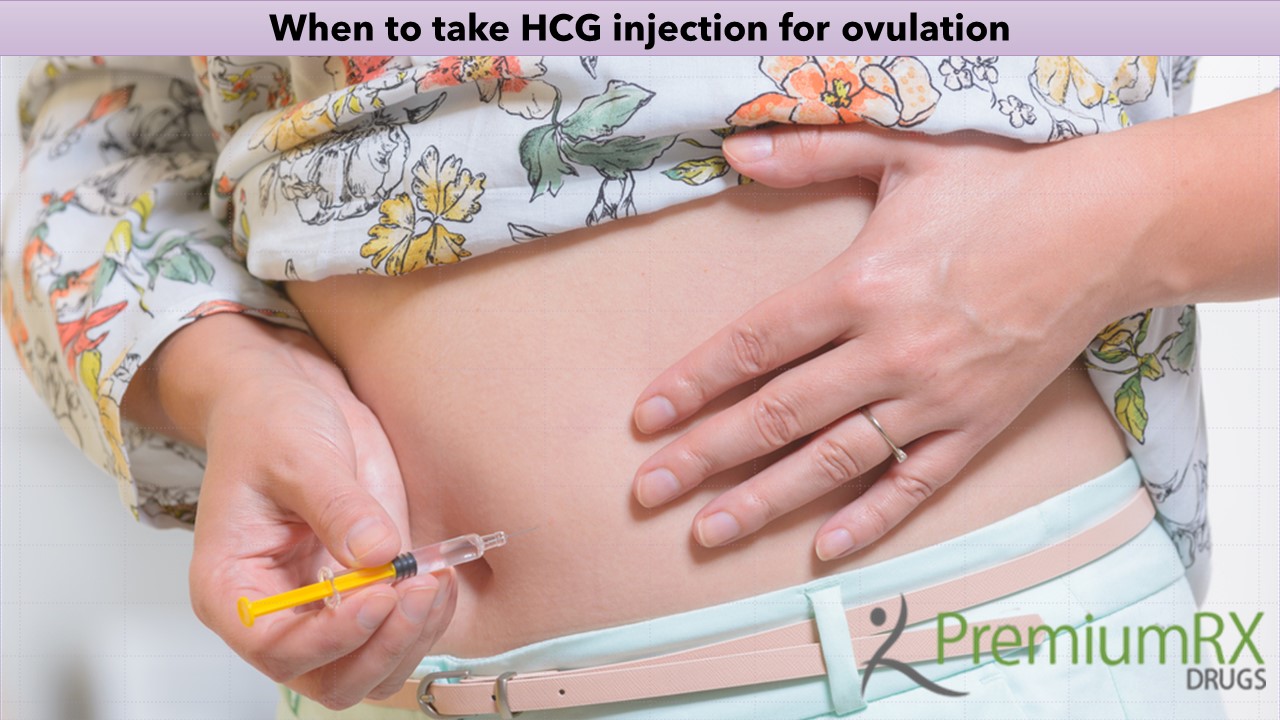
Ovulation happens when your ovary releases an egg. Sometimes sperm fertilise; other times, they fail to cause fertilisation when the egg is released. If the egg is fertilised, it travels to the womb (uterus), leading to pregnancy. If fertilisation doesn’t occur, it begins to fall apart, and the uterus lining sheds during your menopausal cycle. Properly understanding the ovulation process is important to prevent or achieve pregnancy and treat various medical conditions. Ovulation occurs around day 14 of your 28-day menstrual cycle. Not all women have a 28-day cycle; hence, the timing of ovulation varies. Your chance of conceiving reduces if you don’t ovulate. Infertility symptoms include too short a menstrual cycle, too long, and irregular periods, which indicate that you can’t ovulate. There are no other signs or symptoms that indicate no ovulation.
What is HCG?
HCG stands for Human chorionic Gonadotropin, a natural hormone that helps mature the eggs and supports the ovaries to release an egg. It also helps prepare the uterine lining for implantation of the fertilised egg by the corpus luteum (an organ crucial for fertility during the second phase of the menstrual cycle), which induces the secretion of progesterone (also known as the pregnancy hormone).
LH, or luteinizing hormone, also acts similarly to HCG. It is produced by the pituitary glands, which induce ovulation. It may be tough for some females to produce LH, so fertility issues begin. HCG supports the production of LH, which will eventually resolve fertility issues as LH can help induce ovulation, which is crucial for pregnancy.
Importance of HCG injection
The most common use of HCG is to treat fertility problems in women. If you have trouble conceiving, your healthcare specialist may recommend HCG treatment and other drugs to improve fertility. HCG injections act like luteinizing hormones. In some cases of in vitro fertilisation, doctors also prescribe HCG shots to improve the chances of pregnancy. The pituitary gland releases luteinizing hormone (LH), which helps a woman to conceive. You may be scheduled to receive 5000 to 10,000 units of HCG intramuscularly or subcutaneously.
When can you take HCG to induce ovulation?
The goal is to produce one healthy egg. The cycle starts on day two of your menstrual cycle, and an ultrasound is performed before treatment with oral medications. The first line treatment is clomiphene, which is advised to be consumed on days two to six or five to nine of your menstrual cycle.
On the eleventh day, your healthcare provider will perform a follow-up to check the development of follicles. Once the primary follicle reaches a certain diameter, your healthcare provider will recommend timed intercourse or receiving an HCG shot. It causes ovulation via intrauterine insemination.
Injectable HCG is a commonly used technique for inducing ovulation. Before initiating the treatment, the cycle starts with an ultrasound on the second day of your menstrual cycle. These medicines begin on the second day and continue till the sixth to the tenth day.
During ongoing medical treatment, you may require 3 to 4 ultrasounds to monitor the rate and progression of follicular growth. Once the primary follicles reach the required diameter, doctors administer an HCG injection, which triggers ovulation. Nausea, bloating, cramping, and breast tenderness are some symptoms that develop in women during this time. Ovulation will likely happen 36 hours later if you have intercourse or intrauterine insemination. The day you receive the injection and the two days immediately following are critical for you.
Who needs HCG treatment?
Women who are not able to ovulate due to irregular periods are the ones who need HCG. It will help them to induce ovulation, thus leading to pregnancy. Around 40% of women receive benefits from HCG. It is also effective when the cause of infertility is unknown. HCG improves egg quality, thereby increasing the likelihood of successful fertilisation.
The bottom line
HCG injections benefit women who can’t become pregnant due to ovulation problems. Please speak to your doctor openly, confirm all your concerns, and take HCG by injection once the doctor recommends the appropriate dosage.

Latest posts by Marie (see all)
- Amoebiasis Treatment: Symptoms, Diagnosis & Best Medicines - October 27, 2026
- Semaglutide for PCOS: Can It Help with Weight Loss, Insulin Resistance & Irregular Periods? - October 17, 2026
- Semaglutide Side Effects: Common Symptoms, Serious Risks & Safety Tips - October 16, 2026


