
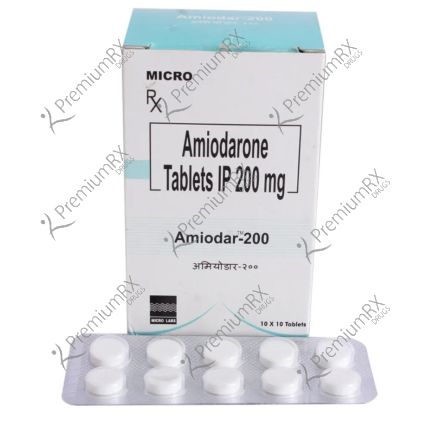
Heart rhythm disorders—medically known as arrhythmias—can range from mildly uncomfortable to life-threatening. When the heart beats too fast, too slow, or irregularly, it may not pump blood effectively, increasing the risk of complications such as stroke, heart failure, or sudden cardiac arrest. Amiodar 200mg Tablet is a prescription anti-arrhythmic medication commonly used in the management of serious and resistant heart rhythm disorders.
This in-depth guide explains what Amiodar 200mg is, how it works, its medical uses, dosage guidance, side effects, precautions, and important safety considerations—in clear, patient-friendly language.
What is Amiodar 200mg Tablet?
Amiodar 200mg Tablet contains amiodarone, a potent anti-arrhythmic agent prescribed by cardiologists to control abnormal heart electrical activity. It is typically recommended when other medications are ineffective or unsuitable.
Unlike many heart medicines that target a single pathway, amiodarone affects multiple electrical channels in heart muscle cells. This broad action makes it especially effective in controlling complex or life-threatening arrhythmias, but it also means the drug must be used with careful monitoring.
How Amiodar 200mg Works in the Body
The heart’s rhythm is controlled by electrical impulses that travel through specialised pathways. In arrhythmias, these impulses become disorganised or excessively rapid.
Amiodar works by:
- Stabilising cardiac electrical signals
- Prolonging the phase of electrical repolarisation
- Slowing abnormal impulses that trigger irregular beats
- Reducing the excitability of heart muscle cells
As a result, the heart regains a more regular and controlled rhythm. Because of its long half-life, amiodarone stays in the body for an extended period, allowing sustained rhythm control—but also requiring caution with long-term use.
Medical Uses of Amiodar 200mg Tablet
Amiodarone 200mg is prescribed for serious arrhythmias, particularly when they pose a risk to life or significantly impair quality of life.
Common Indications Include:
- Ventricular tachycardia – dangerously fast heart rhythm originating in the ventricles
- Ventricular fibrillation – chaotic electrical activity that can lead to cardiac arrest
- Atrial fibrillation – irregular and often rapid heartbeat, increasing stroke risk
- Atrial flutter – abnormal rhythm similar to atrial fibrillation
- Supraventricular tachycardia – rapid rhythm arising above the ventricles
Doctors may prescribe Amiodar 200mg for both acute rhythm control and long-term maintenance, depending on the patient’s condition.
Dosage and Administration
Dosage of Amiodar 200mg Tablet varies based on the condition being treated, patient response, and medical history.
General Dosage Guidelines
- Initial doses may be higher to achieve rhythm control
- Maintenance therapy often uses lower daily doses
- Tablets are usually taken once or twice daily, with or without food
Important Administration Tips
- Take the tablet at the same time each day
- Do not stop the medication suddenly without medical advice
- Follow your doctor’s instructions exactly—self-adjusting the dose can be dangerous
Because amiodarone accumulates in body tissues, doctors often monitor patients closely during dose adjustments.
Possible Side Effects of Amiodar 200mg
While Amiodar 200mg is highly effective, it is also associated with a range of side effects, especially with prolonged use. Not everyone experiences these effects, but awareness is essential.
Common Side Effects
- Nausea or vomiting
- Loss of appetite
- Fatigue or weakness
- Metallic taste in the mouth
- Mild tremors
Serious Side Effects (Require Immediate Medical Attention)
- Breathing difficulties or persistent cough (lung toxicity)
- Vision changes or blurred eyesight
- Severe fatigue, weight changes, or heat/cold intolerance (thyroid effects)
- Yellowing of skin or eyes (liver issues)
- Slow heart rate or worsening arrhythmia
Regular follow-ups help detect these issues early and reduce risks.
Precautions and Warnings
Amiodar 200mg is a powerful cardiac medication, and certain precautions must be observed:
Before Starting Amiodar
Inform your doctor if you have:
- Lung disease or breathing problems
- Thyroid disorders
- Liver disease
- Existing heart conduction issues
- Known allergies to iodine
During Treatment
- Avoid excessive sun exposure; amiodarone can cause photosensitivity
- Use sunscreen and protective clothing outdoors
- Attend all scheduled medical checkups
Pregnancy and Breastfeeding
Amiodar is generally not recommended during pregnancy or breastfeeding unless the potential benefit outweighs the risk. Always consult a healthcare professional.
Drug Interactions to Be Aware Of
Amiodarone interacts with many commonly used medicines, which can alter effectiveness or increase side effects.
Notable Interactions Include:
- Blood thinners
- Certain antibiotics
- Other anti-arrhythmic drugs
- Cholesterol-lowering medications
- Drugs affecting thyroid function
Always share a complete list of medications, supplements, and herbal products with your doctor before starting Amiodar 200mg.
Monitoring and Long-Term Safety
Because of its unique pharmacological profile, patients on Amiodar 200mg often require regular monitoring, which may include:
- Blood tests for liver and thyroid function
- Chest imaging for lung health
- Eye examinations
- ECGs to assess heart rhythm
These checks ensure the medication remains safe and effective throughout treatment.
Benefits of Amiodar 200mg in Arrhythmia Management
Despite the need for monitoring, Amiodar 200mg remains a cornerstone in cardiology due to its benefits:
- Highly effective for resistant arrhythmias
- Suitable for both ventricular and atrial rhythm disorders
- Long-lasting rhythm control
- Reduces the risk of sudden cardiac events in selected patients
For many individuals, a stable heart rhythm significantly improves daily functioning and overall quality of life.
Who Should Not Take Amiodar 200mg?
Amiodar 200mg may not be suitable for everyone. It is typically avoided or used with extreme caution in:
- Patients with severe sinus node dysfunction
- Those with advanced heart block (without a pacemaker)
- Individuals with iodine hypersensitivity
- Patients with severe lung or liver disease
A cardiologist’s evaluation is essential before starting therapy.
Frequently Asked Questions (FAQs)
Is Amiodar 200mg a lifelong medication?
Not always. Some patients require long-term therapy, while others may use it temporarily until rhythm stabilises or alternative treatments are available.
How long does Amiodar take to work?
Initial effects may be seen within days, but full benefits can take several weeks due to gradual tissue accumulation.
Can I drink alcohol while taking Amiodar?
Alcohol may worsen side effects and affect liver health. It’s best to limit or avoid alcohol unless your doctor advises otherwise.
What happens if I miss a dose?
Take the missed dose as soon as you remember, unless it’s close to the next dose. Never double the dose.
Final Thoughts
Amiodar 200mg Tablet plays a critical role in managing serious and complex heart rhythm disorders. Its broad mechanism of action makes it highly effective when other treatments fail, but its potency also demands careful use under medical supervision.
With proper dosing, regular monitoring, and adherence to medical advice, many patients achieve a stable heart rhythm and improved quality of life. If you’ve been prescribed Amiodar 200mg, ongoing communication with your healthcare provider is the key to safe and successful treatment.

Latest posts by Marie (see all)
- Semaglutide for PCOS: Can It Help with Weight Loss, Insulin Resistance & Irregular Periods? - October 17, 2026
- Semaglutide Side Effects: Common Symptoms, Serious Risks & Safety Tips - October 16, 2026
- How to control high cholesterol: self-care at home? - October 15, 2026


