
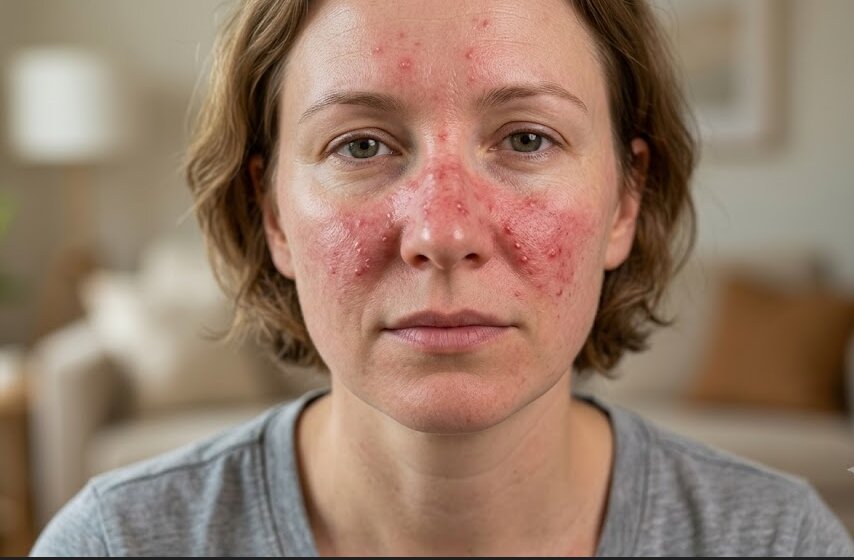
If you experience persistent facial redness, flushing, or acne-like bumps that don’t seem to go away, you may be dealing with rosacea. Rosacea is a common chronic inflammatory skin condition that affects millions of people worldwide, particularly adults over the age of 30. Although there is no permanent cure, the condition can often be managed effectively with proper treatment, a gentle skincare routine, and lifestyle changes.
Many people mistake rosacea for acne, eczema, or an allergic reaction, which can delay proper treatment. Fortunately, modern prescription medications such as Ivermectin Cream, Azelaic Acid, Metronidazole Gel, and Brimonidine Gel have significantly improved rosacea management.
This guide explains everything you need to know about rosacea, including its symptoms, causes, triggers, treatment options, skincare tips, and ways to prevent flare-ups.
What Is Rosacea?
Rosacea is a long-term inflammatory skin disorder that primarily affects the central face, including the:
- Nose
- Cheeks
- Chin
- Forehead
The condition usually develops gradually and often begins with episodes of facial flushing. Over time, redness may become persistent, and some people develop visible blood vessels, bumps, or pimples.
Unlike acne, rosacea does not cause blackheads or whiteheads.
Without treatment, symptoms may gradually worsen.
How Common Is Rosacea?
Rosacea affects an estimated 415 million people worldwide and is one of the most common chronic skin disorders.
Although it can affect anyone, it is more frequently diagnosed in:
- Adults aged 30–60 years
- People with fair skin
- Women (more commonly diagnosed)
- Men may develop more severe disease, particularly affecting the nose)
People with darker skin tones can also develop rosacea, although diagnosis may be more challenging because redness is less noticeable.
Types of Rosacea
Rosacea is divided into several subtypes.
1. Erythematotelangiectatic Rosacea (ETR)
This is the most common form.
Symptoms include:
- Persistent redness
- Frequent flushing
- Burning sensation
- Visible blood vessels
- Sensitive skin
2. Papulopustular Rosacea
Often called “acne rosacea.”
Symptoms include:
- Red swollen bumps
- Pus-filled pimples
- Facial inflammation
- Sensitive skin
This type responds well to prescription creams such as ivermectin and azelaic acid.
3. Phymatous Rosacea
A less common but more severe form.
It causes:
- Thickened skin
- Enlarged pores
- Bumpy texture
- Bulbous nose (rhinophyma)
It occurs more often in men.
4. Ocular Rosacea
Rosacea may also affect the eyes.
Symptoms include:
- Dry eyes
- Burning
- Itching
- Red eyelids
- Watery eyes
- Light sensitivity
Untreated ocular rosacea can lead to complications, so evaluation by a healthcare professional is important.
Rosacea Symptoms
Symptoms vary from person to person but commonly include:
- Persistent facial redness
- Flushing
- Acne-like bumps
- Pus-filled pimples
- Visible blood vessels
- Dry skin
- Burning sensation
- Swelling
- Skin sensitivity
- Eye irritation
Some people experience periods when symptoms improve, followed by flare-ups.
What Causes Rosacea?
The exact cause remains unknown, but experts believe several factors contribute.
Possible causes include:
Genetics
Rosacea often runs in families.
Overactive Immune Response
The immune system may react excessively, leading to inflammation.
Demodex Mites
Higher numbers of naturally occurring Demodex mites have been found on the skin of many people with rosacea. These mites may contribute to inflammation in some individuals.
Blood Vessel Dysfunction
Abnormal blood vessel activity can contribute to facial redness and flushing.
Environmental Factors
Heat, sunlight, and other environmental triggers may worsen symptoms.
Common Rosacea Triggers
Identifying personal triggers is one of the most effective ways to reduce flare-ups.
Common triggers include:
- Sun exposure
- Hot weather
- Cold wind
- Stress
- Alcohol
- Spicy foods
- Hot drinks
- Intense exercise
- Saunas
- Harsh skincare products
- Fragrances
- Certain cosmetics
Keeping a symptom diary can help identify which triggers affect you.
How Is Rosacea Diagnosed?
There is no specific laboratory test for rosacea.
Healthcare providers typically diagnose it through:
- Medical history
- Physical examination
- Skin evaluation
- Review of symptoms
Sometimes additional tests may be performed to rule out conditions such as lupus, seborrheic dermatitis, or acne vulgaris.
Rosacea Treatment Options
Treatment depends on the type and severity of rosacea.
1. Ivermectin 1% Cream
Ivermectin cream helps reduce inflammatory lesions and may decrease Demodex mite populations. It is commonly prescribed for papulopustular rosacea and is typically applied once daily.
2. Azelaic Acid
Azelaic acid helps reduce redness, inflammation, and acne-like bumps while improving overall skin texture.
3. Metronidazole
Metronidazole cream or gel has long been used to control inflammation associated with rosacea.
4. Brimonidine Gel
Brimonidine temporarily reduces facial redness by narrowing blood vessels.
5. Oral Antibiotics
For moderate-to-severe inflammatory rosacea, healthcare providers may prescribe oral antibiotics such as doxycycline, particularly when topical therapy alone is insufficient.
6. Laser and Light Therapy
Laser treatments can reduce visible blood vessels and persistent redness in selected patient
Building the Best Skincare Routine for Rosacea
Skincare choices can make the difference between a treatment plan that works well and one that gets undermined by daily irritation. A rosacea-friendly routine generally follows a few core principles:
1. Keep it simple. Fewer products, used consistently, tend to outperform elaborate multi-step routines. Every additional product is another potential irritant.
2. Cleanse gently. Use a mild, fragrance-free, non-foaming cleanser, and apply it with fingertips rather than a washcloth or brush. Avoid hot water, which can trigger flushing.
3. Moisturize daily. A compromised skin barrier makes rosacea worse, so a gentle, fragrance-free moisturizer helps maintain hydration and reduce sensitivity, especially when using active treatments that can be drying.
4. Never skip sunscreen. Sun exposure is one of the most universal rosacea triggers. A daily broad-spectrum SPF 30+ — ideally a mineral formula with zinc oxide or titanium dioxide, which tend to be better tolerated than chemical filters — is one of the single most protective habits available.
5. Patch-test everything new. Because rosacea-prone skin reacts unpredictably, introduce new products one at a time and test on a small area first.
6. Avoid known irritants. Alcohol-based toners, physical scrubs, menthol, eucalyptus, and heavily fragranced products are common triggers worth avoiding altogether during active treatment.
7. Be mindful of makeup. Mineral-based, non-comedogenic makeup can help conceal redness without aggravating symptoms, and green-tinted color correctors are often used to visually offset redness before foundation.
8. Stay consistent. Skin improvement from both medical treatment and skincare adjustments tends to build gradually over weeks to months — switching products too early out of frustration is one of the most common reasons routines fail to show results.
Ingredients to Avoid
People with rosacea should avoid skincare products containing:
- Alcohol
- Menthol
- Witch hazel
- Fragrance
- Sodium lauryl sulfate
- Harsh scrubs
- High concentrations of glycolic acid (unless advised)
- Strong retinoids (unless prescribed and tolerated)
Best Ingredients for Rosacea
Look for products containing:
- Ceramides
- Hyaluronic acid
- Glycerin
- Niacinamide (if tolerated)
- Zinc oxide
- Titanium dioxide
- Colloidal oatmeal
These ingredients help support the skin barrier and reduce irritation.
Can Diet Affect Rosacea?
Diet may influence flare-ups in some people.
Foods and drinks commonly associated with flare-ups include:
- Alcohol
- Spicy foods
- Hot beverages
Some people find it helpful to maintain a food diary to identify personal triggers. Individual responses vary.
Living with Rosacea
Rosacea is a chronic condition, but many people achieve good symptom control with consistent treatment and lifestyle adjustments.
Helpful habits include:
- Wearing sunscreen every day
- Avoiding known triggers
- Using gentle skincare products
- Managing stress
- Following your prescribed treatment plan
- Scheduling regular follow-ups with your healthcare provider
Frequently Asked Questions
Is rosacea contagious?
No. Rosacea cannot be spread from one person to another.
Can rosacea be cured?
There is currently no cure, but treatments can help control symptoms and reduce flare-ups.
What is the best cream for rosacea?
The best option depends on the type and severity of rosacea. Prescription medications such as ivermectin, azelaic acid, metronidazole, or brimonidine may be recommended by a healthcare provider.
Is rosacea the same as acne?
No. Although both conditions can cause bumps, rosacea does not typically cause blackheads or whiteheads.
Does sunscreen help rosacea?
Yes. Daily use of a broad-spectrum sunscreen (SPF 30 or higher) is recommended because ultraviolet (UV) exposure is a common trigger.
Can stress worsen rosacea?
Yes. Emotional stress is a common trigger for many people with rosacea.
Is rosacea permanent?
Rosacea is generally considered a chronic condition, but symptoms often improve with appropriate treatment and trigger avoidance.
Can makeup be worn with rosacea?
Yes. Choose fragrance-free, non-comedogenic products and remove makeup gently at the end of the day.
Conclusion
Rosacea is a common but manageable skin condition. While it can cause persistent redness, flushing, bumps, and skin sensitivity, many people experience significant improvement through a combination of prescription treatments, gentle skincare, sun protection, and avoidance of personal triggers.
If you think you have rosacea, consult a qualified healthcare provider for an accurate diagnosis and personalized treatment plan. Early management can help reduce flare-ups and impro

Latest posts by Marie (see all)
- Semaglutide for PCOS: Can It Help with Weight Loss, Insulin Resistance & Irregular Periods? - October 17, 2026
- Semaglutide Side Effects: Common Symptoms, Serious Risks & Safety Tips - October 16, 2026
- How to control high cholesterol: self-care at home? - October 15, 2026


