
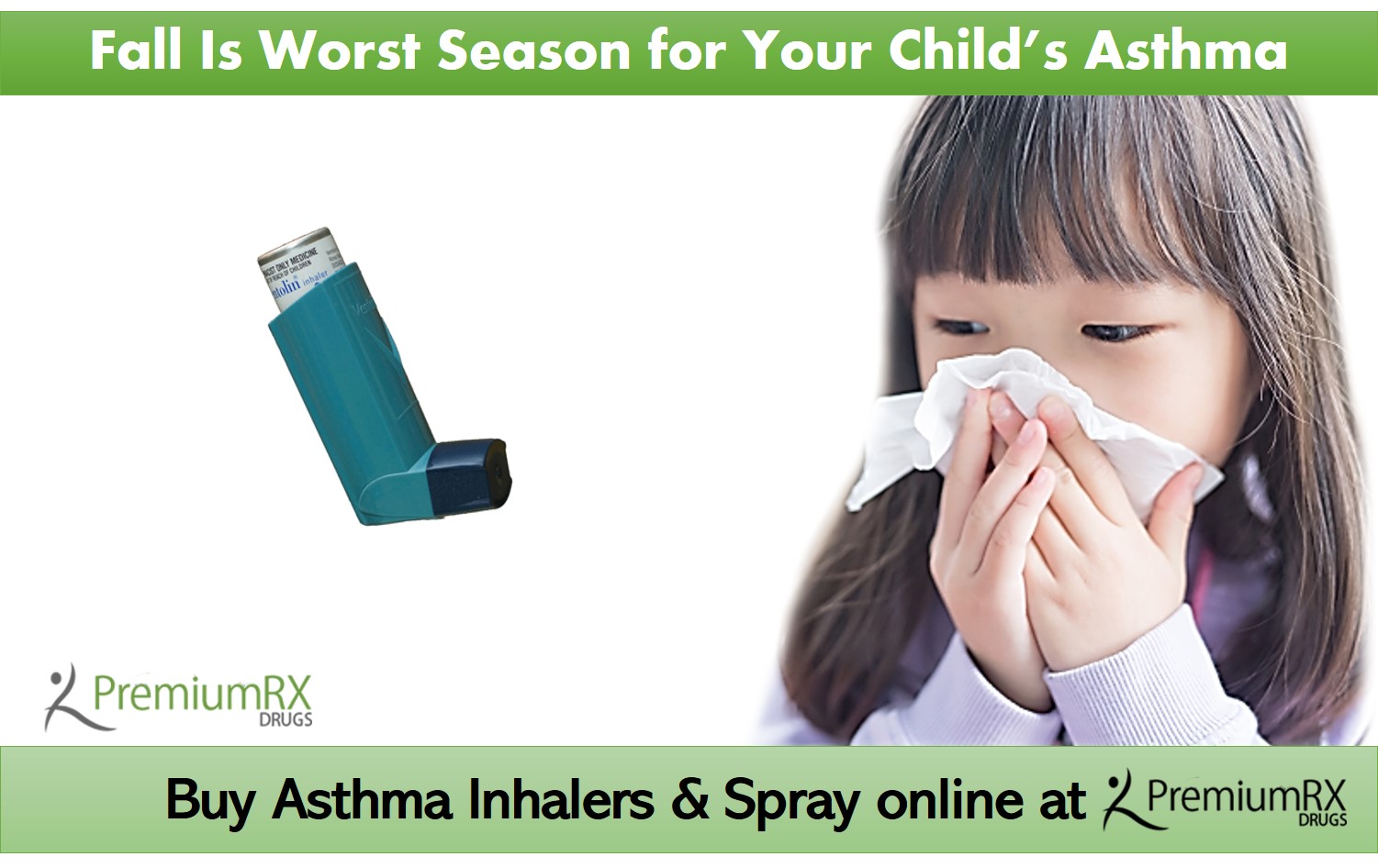
Fall comes with school days and an increase in childhood asthma symptoms. It is the worst season for children suffering from asthma as they are exposed to numerous respiratory viruses when they resume school. Two important factors that cause asthma flare-ups are:
1. Viral infections
2. Close association with other students with viruses
Cold air during the season can tighten up asthmatics’ lungs. It is one of the main causes of childhood asthma spikes around this time of the year. Another culprit is the cold and flu, which begin once children start attending school. Classrooms full of grimy hands and runny noses are a very good breeding ground for viruses.
While people with asthma are not more likely to catch the flu than those without asthma, when they do, their asthma tends to be more severe and last longer. Respiratory tract infections tend to exacerbate asthma in children, which in turn can cause difficulty breathing, coughing, wheezing, and asthma attacks.
Children with asthma are more vulnerable to flu-related complications. Another issue during the fall is the presence of allergens. Some plants produce billions of pollen grains during this season, and these are present in large quantities in the air, triggering asthma attacks.
During the summer season, childhood asthma attacks are fewer because children are less exposed to viral infections and spend less time in school. While some children do suffer during the summer due to high humidity and pollution, the fall and winter seasons are the most challenging, primarily because of increased exposure to viruses. Reports show that a major chunk of the asthma attacks, as much as 80% are caused by viruses.
Here is the typical progression of asthma in children.
• Upper respiratory issues in the first 3-5 days with symptoms such as a runny nose, sneezing, and congestion
• After some time, the virus may spread to the lower airways.
• This leads to inflammation and causes the obstruction of the airways
Managing childhood asthma
There are many steps that you can take as a parent to reduce your child’s chances of an asthma attack.
• Make sure the child washes his or her hands and keeps them clean. Most viruses spread through physical contact, such as rubbing the eyes or nose with infected hands.
• It is best to stay away from areas where there are large numbers of people. While this is not always possible, it decreases the risk of contracting asthma.
• Children who suffer from moderate to severe asthma need corticosteroid medication, which is prescribed by the doctor. It is important for parents to discuss the safety and effectiveness of the medicines they give their children. You must also know the correct asthma dosage for children.
Also Read: The Differences between Childhood and Adult-Onset Asthma
For most people, asthma usually begins in childhood and continues throughout life. Although it cannot be cured, with proper care it can be kept under control. While there are several over-the-counter decongestants, antihistamines, and nasal sprays available in the market today to treat asthma, you must work with a paediatrician to ensure that your child’s asthma is properly diagnosed and the signs and symptoms of childhood asthma are properly treated.
Your child’s asthma treatment should begin with a consultation with your paediatrician. If required, your paediatrician may refer you to a specialist for additional treatment, depending on the severity of the symptoms.


Max Jones
Latest posts by Max Jones (see all)
- How to Revive Your Sex Life - October 27, 2023
- Smoking and Asthma - October 20, 2023
- 10 Causes Of Erectile Dysfunction You Probably Didn’t Know About! - June 29, 2023


