
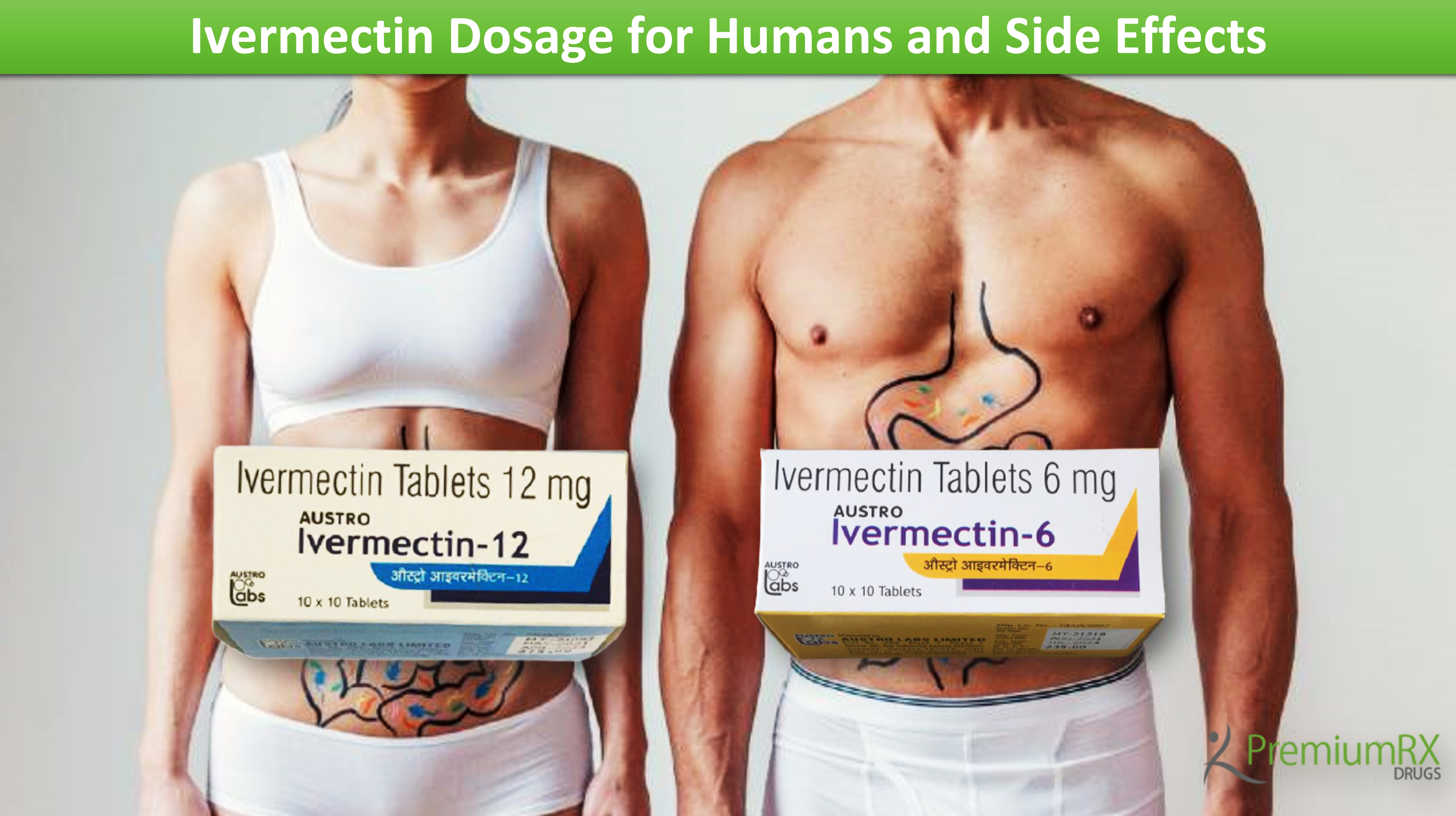
What is Ivermectin 12mg?
Ivermectin belongs to a group of medicines called antiparasitic agents. It works by affecting the nervous system and muscle function of certain parasites, eventually causing their paralysis and death. Ivermectin is available in different strengths and formulations. Oral tablets are commonly used for specific parasitic infections, while topical ivermectin products are prescribed for certain skin conditions.- Austro Ivermectin 12mg
- Austro Ivermectin 6mg
- Ivermectin 3mg
What Is Ivermectin 12mg Used For?
Austro Ivermectin 12mg is used to treat certain parasitic infections. Its approved medical uses depend on the formulation and country. Some conditions for which oral ivermectin may be prescribed include:1. Strongyloidiasis
Strongyloidiasis is an intestinal infection caused by the parasitic roundworm Strongyloides stercoralis. The parasite can enter the body through contact with contaminated soil, usually by penetrating the skin. Infection may cause symptoms such as abdominal discomfort, diarrhea, skin irritation, and respiratory problems. Ivermectin is a first-line treatment for many cases of strongyloidiasis.2. Onchocerciasis
Onchocerciasis, also known as river blindness, is a parasitic infection caused by Onchocerca volvulus. It spreads through repeated bites from infected blackflies. The infection can affect the skin and eyes. Symptoms may include itching, skin changes, and vision problems. Ivermectin helps reduce the number of immature parasites in the body and is an important part of treatment programs for this disease.3. Scabies
Scabies is a contagious skin infestation caused by microscopic mites called Sarcoptes scabiei. Symptoms commonly include:- Persistent itching, particularly at night.
- Small red bumps or rashes.
- Thin, irregular burrow marks on the skin.
- Irritation between the fingers and around the wrists.
Ivermectin 12mg Dosage: How Much Should You Take?
The correct ivermectin dosage depends on several factors, including the type of parasitic infection, body weight, and individual medical circumstances. A 12mg tablet should not automatically be considered a standard or suitable dose for every patient. For certain infections, ivermectin dosing is calculated using micrograms per kilogram (mcg/kg) of body weight. For example:- Strongyloidiasis: The CDC recommends 200 mcg/kg orally for 1–2 days.
- Onchocerciasis: The recommended dose is approximately 150 mcg/kg orally.
- Scabies: When oral ivermectin is prescribed for classic scabies, CDC guidance recommends 200 mcg/kg per dose, with a second dose 7–14 days later.
Why Does Body Weight Matter?
Ivermectin dosage is often calculated according to body weight because patients may require different amounts of medication. For example, a patient weighing 50kg may require a different amount than someone weighing 80kg. A healthcare professional considers:- Patient’s current body weight.
- Type and severity of infection.
- Medical history.
- Other medicines being taken.
- Possible contraindications and interactions.
How to Take Ivermectin 12mg Tablets
If your healthcare professional has prescribed ivermectin 12mg tablets, follow the directions provided on your prescription label. General administration considerations include:- Follow the prescribed dose: Take only the amount recommended by your healthcare professional.
- Use water: Swallow the tablet with water as directed.
- Follow food instructions: For labeled treatment of strongyloidiasis and onchocerciasis, ivermectin tablets are generally taken on an empty stomach with water.
- Do not repeat doses independently: Some infections require additional treatment, while others may require only one treatment course.
- Keep follow-up appointments: Your healthcare professional may recommend examinations or laboratory tests to confirm that treatment has worked.
What Happens If You Miss a Dose?
The advice for a missed dose depends on the prescribed treatment schedule. If you miss a scheduled dose:- Contact your healthcare professional or pharmacist.
- Ask whether the missed dose should be taken.
- Do not take two doses together to compensate.
- Follow the original treatment schedule unless your prescriber advises otherwise.
Possible Side Effects of Ivermectin 12mg
Like other medicines, ivermectin can cause side effects. Not everyone experiences them, and reactions may vary depending on the infection being treated and the patient’s health. Commonly reported side effects include:- Nausea.
- Diarrhea.
- Dizziness.
- Headache.
- Stomach discomfort.
- Tiredness.
- Mild skin irritation or itching.
Serious Side Effects
Although uncommon, serious reactions can occur. Seek immediate medical attention if you experience:- Severe allergic reactions.
- Difficulty breathing.
- Significant swelling of the face or throat.
- Confusion or changes in consciousness.
- Seizures.
- Severe dizziness or loss of coordination.
- Serious skin reactions.
Important Precautions Before Taking Ivermectin
Before starting ivermectin treatment, discuss your medical history and current medicines with your healthcare professional.1. Pregnancy and Breastfeeding
The safety of ivermectin during pregnancy has not been fully established. Patients who are pregnant, planning pregnancy, or breastfeeding should consult a healthcare professional before using this medication.2. Liver Health
Ivermectin is processed by the body, and patients with existing liver conditions should discuss their medical history with their healthcare professional.3. Children
Ivermectin dosing in children requires particular care. Safety has not been established for children weighing less than 15kg in the relevant CDC treatment guidance. Never give an adult-strength tablet to a child without specific medical instructions.4. Allergies
Tell your healthcare professional about any previous allergic reaction to ivermectin or its ingredients.5. Other Medical Conditions
Patients with neurological conditions, immune-system problems, or other significant medical conditions should discuss the potential risks before treatment.Ivermectin Drug Interactions
Ivermectin may interact with certain medicines, potentially changing how the medication works or increasing the risk of adverse effects. Inform your healthcare professional about all prescription medicines, over-the-counter products, and supplements you currently use. Particular attention may be needed when taking:- Warfarin and other medicines that affect blood clotting.
- Medicines that may affect drug metabolism.
- Other treatments that could increase the risk of neurological or other adverse effects.
Can You Take Ivermectin 12mg Every Day?
Ivermectin is not generally intended for unsupervised daily use. The treatment schedule depends on the infection being treated. Some conditions may require a single dose, while others may require additional doses at specified intervals. Taking ivermectin more frequently than prescribed does not necessarily improve treatment results and may increase the risk of side effects. Always follow the schedule established by your healthcare professional.Is Ivermectin Effective for COVID-19?
Ivermectin should not be used to prevent or treat COVID-19. The FDA has not authorized or approved ivermectin for preventing or treating COVID-19. Patients should avoid using ivermectin for this purpose and follow evidence-based medical recommendations. Human ivermectin tablets should also never be replaced with veterinary ivermectin products, which may contain different concentrations and formulations.What Should You Avoid While Taking Ivermectin?
To support safe treatment, consider the following precautions:- Avoid taking more medication than prescribed.
- Do not combine ivermectin with other treatments without checking for potential interactions.
- Do not use veterinary ivermectin products.
- Avoid sharing your medication with other people.
- Do not use leftover tablets to treat a new infection without medical evaluation.
- Inform your healthcare professional about any unusual symptoms.
Frequently Asked Questions About Ivermectin 12mg
1. What is Ivermectin 12mg used for?
Ivermectin is an antiparasitic medication used for certain parasitic infections. Its approved uses depend on the formulation and country. Oral ivermectin is FDA-approved for specific infections, including strongyloidiasis and onchocerciasis.2. Is Ivermectin 12mg a standard dose?
No. A 12mg tablet is a particular tablet strength, not a universal recommended dose. The correct amount depends on body weight, the infection, and medical advice.3. How long does ivermectin take to work?
The response varies according to the type of infection and its severity. Some patients may notice improvement within days, while complete treatment and confirmation of parasite clearance may take longer.4. Can ivermectin be taken on an empty stomach?
For labeled treatment of strongyloidiasis and onchocerciasis, oral ivermectin tablets are generally taken on an empty stomach with water. Follow the specific instructions for your prescribed condition.5. Can I take ivermectin without a prescription?
Patients should consult a healthcare professional before using ivermectin. In the United States, oral ivermectin is a prescription medication.6. Can ivermectin cause dizziness?
Yes. Dizziness is a reported side effect. Avoid driving or operating machinery if you feel dizzy or experience other symptoms that affect alertness.7. Can ivermectin treat scabies?
Healthcare professionals may prescribe oral ivermectin for selected scabies cases. However, oral ivermectin is not FDA-approved for scabies in the United States. Treatment decisions should be made by a healthcare professional.8. Is ivermectin safe for children?
Its use in children depends on age, body weight, and the condition being treated. Safety has not been established for children weighing less than 15kg in relevant CDC guidance.9. Can I repeat an ivermectin dose?
Some infections require repeat treatment, while others may need only a single dose. Never repeat the medication without following your prescribed treatment schedule.10. What should I do if I experience side effects?
Contact your healthcare professional if you experience unwanted symptoms. Seek immediate medical attention for severe allergic reactions, breathing difficulties, seizures, or serious neurological symptoms.Conclusion
Ivermectin 12mg is a tablet strength of an antiparasitic medication used in the treatment of certain parasitic infections. However, the correct dosage depends on the specific condition, body weight, and individual medical factors. Patients should understand that a 12mg tablet is not a universal treatment dose. Taking the correct amount, following administration instructions, understanding possible side effects, and attending recommended follow-up appointments are important parts of responsible treatment. Before starting ivermectin, consult a qualified healthcare professional to determine whether it is appropriate for your condition. Use only human-approved medication from a legitimate source and follow the prescribed treatment plan. Medical Disclaimer: This article is intended for educational purposes only and does not replace professional medical advice, diagnosis, or treatment. Ivermectin is a prescription medication in the United States. Always consult a qualified healthcare professional before starting or changing any medication.The following two tabs change content below.

Marie is an experienced content writer specializing in health and beauty topics. With a passion for wellness and skincare, she creates engaging, well-researched articles that inspire readers to look and feel their best.
Latest posts by Marie (see all)
- Ivermectin 12mg vs Other Strengths: Understanding the Differences - November 25, 2026
- Semaglutide for Peripheral Arterial Disease (PAD): Can It Improve Walking & Heart Health? - November 25, 2026
- Orforglipron: The New Oral GLP-1 Weight Loss Pill—Benefits, Clinical Trials - November 24, 2026


