
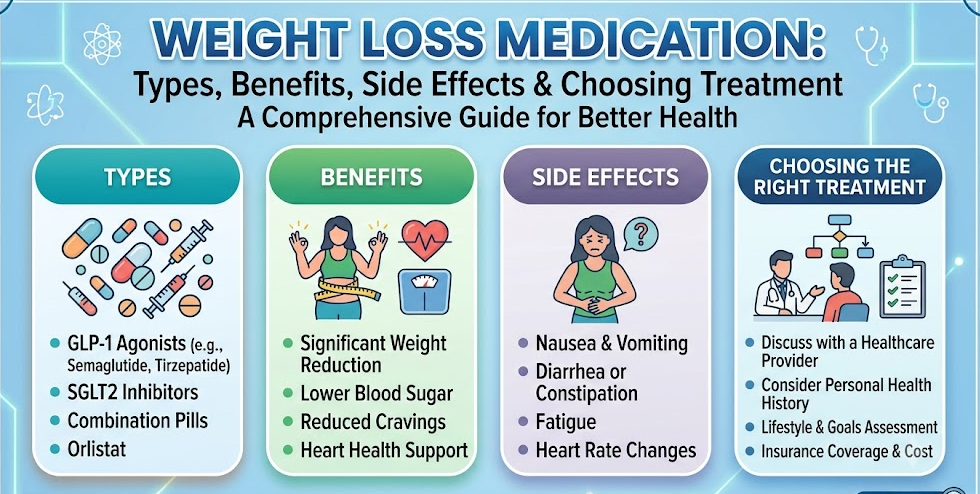
Losing weight isn’t always as simple as eating less and exercising more. For many people, obesity and excess weight are influenced by genetics, hormones, medical conditions, medications, stress, and lifestyle factors. That’s why healthcare providers sometimes recommend weight loss medications alongside healthy eating and regular physical activity.
Modern weight loss medicines have changed the way obesity is treated. Instead of relying on willpower alone, these medications can help regulate appetite, improve feelings of fullness, and support healthier eating habits. Some medicines also help control blood sugar, making them especially useful for people living with type 2 diabetes.
If you’re wondering whether a prescription weight loss medication is right for you, this guide explains the available options, how they work, their benefits, possible side effects, and what to discuss with your healthcare provider before starting treatment.
What Is a Weight Loss Medication?
Weight loss medication is a prescription medicine designed to help people lose weight by reducing appetite, increasing fullness, decreasing fat absorption, or improving the body’s ability to regulate blood sugar and energy balance.
Unlike fad diets or over-the-counter supplements, prescription medications are evaluated in clinical studies for safety and effectiveness before approval.
Most healthcare providers recommend weight loss medicines together with:
- A balanced, calorie-controlled diet
- Regular physical activity
- Behavioural changes
- Long-term lifestyle improvements
These medicines are not a replacement for healthy habits, but they can make it easier to maintain them.
Who May Benefit from Weight Loss Medications?
Weight loss medicines are generally considered for adults who:
- Have a Body Mass Index (BMI) of 30 kg/m² or higher (obesity).
- Have a BMI of 27 kg/m² or higher with a weight-related health condition such as:
- Type 2 diabetes
- High blood pressure
- High cholesterol
- Obstructive sleep apnea
- Heart disease
Your healthcare provider will also consider your medical history, current medications, and previous weight-loss efforts before recommending treatment.
Common Types of Weight Loss Medications
Several prescription medicines are available, and each works differently.
1. GLP-1 Receptor Agonists
These are among the most effective modern weight loss treatments.
Examples include:
- Semaglutide
- Liraglutide
How they work
They mimic a natural hormone called GLP-1 (glucagon-like peptide-1), which:
- Reduces appetite
- Helps you feel full sooner
- Slows stomach emptying
- Supports healthy blood sugar levels
These medications are commonly prescribed for obesity and type 2 diabetes and have shown significant weight-loss benefits in clinical studies.
2. Dual GIP/GLP-1 Receptor Agonists
A newer class of medicines combines the actions of two hormones involved in appetite regulation.
These medications may help:
- Reduce hunger
- Improve insulin response
- Supports greater weight loss than some older treatments
Your healthcare provider can determine whether these medicines are appropriate based on your health needs.
3. Fat Absorption Inhibitors
Some medications work differently by reducing the amount of dietary fat absorbed from the digestive tract.
Benefits
- No effect on the brain
- Useful for people who eat a reduced-fat diet
- Can contribute to gradual weight loss
However, these medicines may cause digestive side effects, particularly if high-fat meals are consumed.
4. Appetite Suppressants
Some prescription medicines act on the brain to reduce hunger.
These medications are generally prescribed for selected patients and may not be suitable for long-term use. Regular medical supervision is important.
Benefits of Weight Loss Medications
When used correctly, prescription medicines may provide several health benefits beyond the number on the scale.
Improved Weight Loss
Many people find it easier to:
- Control portion sizes
- Reduce snacking
- Manage cravings
- Stay consistent with healthier eating habits
Better Blood Sugar Control
Some medications also improve blood sugar regulation, making them valuable for people with type 2 diabetes or prediabetes.
Reduced Risk of Obesity-Related Conditions
Losing even 5–10% of body weight may help improve:
- Blood pressure
- Cholesterol levels
- Blood sugar
- Joint pain
- Sleep apnea symptoms
- Mobility
- Overall quality of life
Enhanced Long-Term Success
People often struggle to maintain weight loss because the body naturally increases hunger after dieting.
Certain prescription medicines help reduce this increased appetite, making long-term weight management more achievable when combined with healthy lifestyle habits.
Key Takeaways
- Weight loss medications work best alongside diet and exercise.
- Different medicines work in different ways.
- Some medicines are especially helpful for people with obesity and type 2 diabetes.
- Treatment should always be tailored to your individual health needs.
- Regular follow-up with your healthcare provider is essential for safety and long-term success.
How to Choose the Right Weight Loss Medications
There is no single weight loss medication that works best for everyone. The right choice depends on several factors, including your weight, overall health, medical history, lifestyle, and treatment goals. A healthcare provider will evaluate these factors before recommending a medication.
Factors Your Doctor May Consider
1. Your Body Mass Index (BMI)
Prescription weight loss medicines are generally recommended for adults who:
- Have a BMI of 30 kg/m² or higher, or
- Have a BMI of 27 kg/m² or higher with obesity-related conditions such as:
- Type 2 diabetes
- High blood pressure
- High cholesterol
- Sleep apnea
2. Existing Health Conditions
Some medications provide additional health benefits.
For example:
| Health Condition | Medication May Help |
|---|---|
| Type 2 Diabetes | GLP-1 receptor agonists |
| Heart disease | Certain GLP-1 medicines may reduce cardiovascular risk |
| Prediabetes | Some medicines improve blood sugar control |
| Severe obesity | Higher-potency weight management medicines may be considered |
3. Your Lifestyle
Ask yourself:
- Can I remember a weekly injection?
- Would I prefer a daily tablet?
- Am I willing to change my eating habits?
- Can I attend regular medical follow-up visits?
Choosing a treatment that fits your routine often improves long-term success.
Comparing Popular Prescription Weight Loss Medications
| Medication Type | How It Works | Best For | Common Side Effects |
|---|---|---|---|
| Semaglutide | Reduces appetite, increases fullness | Obesity, Type 2 diabetes | Nausea, vomiting, constipation |
| Tirzepatide | Targets GLP-1 and GIP receptors | Obesity, diabetes | Nausea, diarrhea |
| Liraglutide | Controls appetite | Weight management | Stomach upset |
| Orlistat | Reduces fat absorption | Patients preferring a non-hormonal option | Oily stools, gas |
| Naltrexone/Bupropion | Reduces cravings | Emotional eating | Headache, nausea |
Your healthcare provider will help determine which option is most appropriate for your needs.
Common Side Effects of Weight Loss Medicines
Most prescription weight loss medicines are well tolerated, but side effects can occur, especially during the first few weeks of treatment.
The most common side effects include:
- Nausea
- Vomiting
- Diarrhea
- Constipation
- Indigestion
- Stomach discomfort
- Bloating
- Reduced appetite
These symptoms often improve as your body adjusts to the medication.
Serious Side Effects of Weight Loss Medication
Although uncommon, serious side effects require prompt medical attention.
Contact your healthcare provider immediately if you experience:
- Severe or persistent abdominal pain
- Continuous vomiting
- Difficulty swallowing
- Swelling of the face or throat
- Trouble breathing
- Severe dehydration
- Signs of an allergic reaction
Never ignore symptoms that feel unusual or severe.
Are Weight Loss Medications Safe?
Prescription weight loss medicines have been evaluated in clinical studies, but no medication is completely free of risks.
Safety depends on:
- Your overall health
- Medical history
- Other medicines you take
- Regular monitoring by your healthcare provider
For many eligible patients, the benefits of weight loss may outweigh the potential risks.
Who Should Avoid Weight Loss Medication?
These medicines may not be suitable for everyone.
Your healthcare provider may recommend an alternative treatment if you:
- Are pregnant
- Are planning pregnancy
- Are breastfeeding
- Have certain thyroid disorders
- Have severe kidney disease
- Have severe liver disease
- Have a history of pancreatitis (for some medications)
- Have allergies to any ingredients
Always discuss your complete medical history before starting treatment.
Can Older Adults Use Weight Loss Medication?
Yes, many older adults can safely use prescription weight loss medications.
However, treatment should be individualised because older adults may have:
- Multiple medical conditions
- Reduced kidney function
- Increased sensitivity to medicines
- Greater risk of dehydration
Regular follow-up appointments are important for monitoring progress and adjusting treatment as needed.
Can Weight Loss Medicines Be Used During Pregnancy?
Weight loss medications are not recommended during pregnancy.
Losing weight while pregnant is generally not advised unless specifically recommended by a healthcare professional for a particular medical reason.
If you become pregnant while taking a prescription weight loss medicine, contact your healthcare provider promptly to discuss the next steps.
Women planning pregnancy should also speak with their healthcare provider before starting or continuing treatment.
Lifestyle Changes That Improve Results
Medication works best when combined with healthy daily habits.
Eat a Balanced Diet
Focus on:
- Vegetables
- Fruits
- Lean protein
- Whole grains
- Healthy fats
Limit:
- Sugary drinks
- Ultra-processed foods
- Large portion sizes
- Frequent fast food meals
Stay Active
Aim for at least:
- 150 minutes of moderate exercise each week
Activities may include:
- Walking
- Cycling
- Swimming
- Strength training
- Yoga
Even small increases in daily activity can support weight management.
Get Enough Sleep
Poor sleep may increase hunger hormones and make healthy eating more difficult.
Most adults benefit from 7–9 hours of quality sleep each night.
Manage Stress
Chronic stress can contribute to emotional eating and weight gain.
Helpful strategies include:
- Meditation
- Deep breathing
- Walking outdoors
- Journaling
- Talking with supportive friends or family
- Professional counselling if needed
When Should You See a Doctor?
Speak with a healthcare provider if you:
- Have been unable to lose weight despite lifestyle changes.
- Have obesity-related medical conditions.
- Experience troublesome side effects from weight loss medication.
- Notice rapid or unexplained weight gain.
- Have symptoms of diabetes, such as excessive thirst or frequent urination.
- Want to know whether prescription weight loss treatment is appropriate for you?
Early medical advice can help identify the most suitable treatment plan and reduce the risk of obesity-related complications.
Key Takeaways
- Weight-loss medication should be chosen based on your health profile, not on popularity.
- Different medicines work in different ways and have different side effects.
- Healthy eating, physical activity, and regular medical follow-up remain essential.
- Pregnancy, certain medical conditions, and medication interactions should always be discussed with your healthcare provider.
- Safe, sustainable weight loss is usually gradual and requires a long-term approach.
Weight Loss Medication Myths vs. Facts
There are many misconceptions about prescription weight-loss medications. Understanding the facts can help you make informed decisions.
| Myth | Fact |
|---|---|
| Weight loss medication is a “magic pill.” | These medicines work best alongside a healthy diet, regular exercise, and long-term lifestyle changes. |
| Only people with severe obesity need medication. | Some adults with a BMI of 27 or higher and weight-related medical conditions may also qualify. |
| You’ll regain all the weight immediately after stopping medication. | Weight regain varies. Maintaining healthy eating habits and physical activity plays a major role in long-term success. |
| Weight loss medications are unsafe. | Approved prescription medications have been evaluated for safety and effectiveness. However, they should always be used under medical supervision. |
| All weight loss medications work the same way. | Different medicines have different mechanisms of action, benefits, and side effects. |
Can You Buy Weight Loss Medication Online?
Many people prefer purchasing prescription medicines online because it offers convenience, privacy, and home delivery. However, it’s important to buy only from licensed and reputable online pharmacies.
Before ordering online:
- Verify that the pharmacy is legitimate.
- Ensure the medication is genuine and properly labelled.
- Review shipping and return policies.
- Check whether a prescription is required in your country.
- Avoid websites that make unrealistic claims or sell “miracle” weight loss products.
If you’re considering ordering weight loss medication online, speak with your healthcare provider first to determine which treatment is appropriate for you.
Frequently Asked Questions
1. What is the best prescription weight loss medication?
There is no single best medication for everyone. The right treatment depends on your BMI, medical history, weight-related conditions, current medications, and treatment goals. Your healthcare provider can recommend the most appropriate option after evaluating your individual health needs.
2. How much weight can I lose with prescription medication?
Weight loss varies depending on the medication, lifestyle habits, and individual response. Many people experience meaningful weight loss over several months when medication is combined with a balanced diet and regular physical activity.
3. Do weight loss medications work without diet and exercise?
Prescription medicines are most effective when used alongside healthy eating, regular exercise, and long-term lifestyle changes. Medication alone is unlikely to produce the best possible results.
4. Are weight loss medications safe for long-term use?
Some prescription medicines are approved for long-term weight management when used under medical supervision. Regular follow-up appointments help monitor progress, side effects, and ongoing treatment needs.
5. Can people with type 2 diabetes take weight loss medication?
Yes. Several prescription medicines are approved for people with type 2 diabetes and may help improve both blood sugar control and body weight. Treatment should always follow your healthcare provider’s recommendations.
6. Can older adults use weight loss medicines?
Many older adults can safely use prescription weight loss medications. However, treatment should be individualised based on overall health, kidney function, other medications, and nutritional status.
7. What are the most common side effects?
Common side effects include nausea, vomiting, diarrhoea, constipation, stomach discomfort, and reduced appetite. These symptoms often improve as your body adapts to the medication.
8. Can weight loss medication interact with other medicines?
Yes. Some prescription weight loss medicines may interact with diabetes medications, blood pressure medicines, and other prescriptions. Always tell your healthcare provider about every medicine and supplement you take.
9. Is weight loss medication suitable during pregnancy?
No. Prescription weight loss medications are generally not recommended during pregnancy or breastfeeding. Speak with your healthcare provider if you are pregnant, planning pregnancy, or breastfeeding.
10. How long do I need to take weight loss medication?
Treatment duration varies depending on your response, health goals, and your healthcare provider’s recommendations. Some people may require long-term treatment to maintain weight loss.
11. Can I stop taking weight loss medication once I reach my goal?
Some people may be able to stop treatment under medical supervision, while others may need ongoing therapy to maintain results. Never stop prescription medication without consulting your healthcare provider.
12. Can I drink alcohol while taking weight loss medication?
Alcohol may increase stomach-related side effects or affect blood sugar in some people. Discuss alcohol use with your healthcare provider while taking prescription weight loss medicines.
13. Are prescription medicines better than weight loss supplements?
Prescription medications undergo clinical testing for safety and effectiveness. Many over-the-counter supplements have limited scientific evidence and may not be subject to the same level of quality control or regulation.
14. How quickly will I notice results?
Some people notice reduced appetite within the first few weeks. Weight loss usually develops gradually over several months with continued treatment and healthy lifestyle habits.
15. Can I buy prescription weight loss medication online?
Yes, many licensed online pharmacies offer prescription weight loss medications. Always purchase from reputable pharmacies and follow local prescription requirements.
Conclusion
Weight loss medications have become an important part of modern obesity management. For eligible adults, they can help reduce appetite, improve blood sugar control, and support meaningful weight loss when combined with healthy lifestyle changes.
The best medication is the one that matches your individual health needs, medical history, and treatment goals. Because every person’s situation is different, it’s important to discuss your options with a qualified healthcare professional before starting treatment.
Remember that successful weight management is a long-term journey. Healthy eating, regular physical activity, quality sleep, stress management, and ongoing medical support remain the foundation of lasting results. Prescription medication can be a valuable tool—but it works best as part of a comprehensive approach to better health.

Latest posts by Marie (see all)
- Semaglutide for PCOS: Can It Help with Weight Loss, Insulin Resistance & Irregular Periods? - October 17, 2026
- Semaglutide Side Effects: Common Symptoms, Serious Risks & Safety Tips - October 16, 2026
- How to control high cholesterol: self-care at home? - October 15, 2026


