
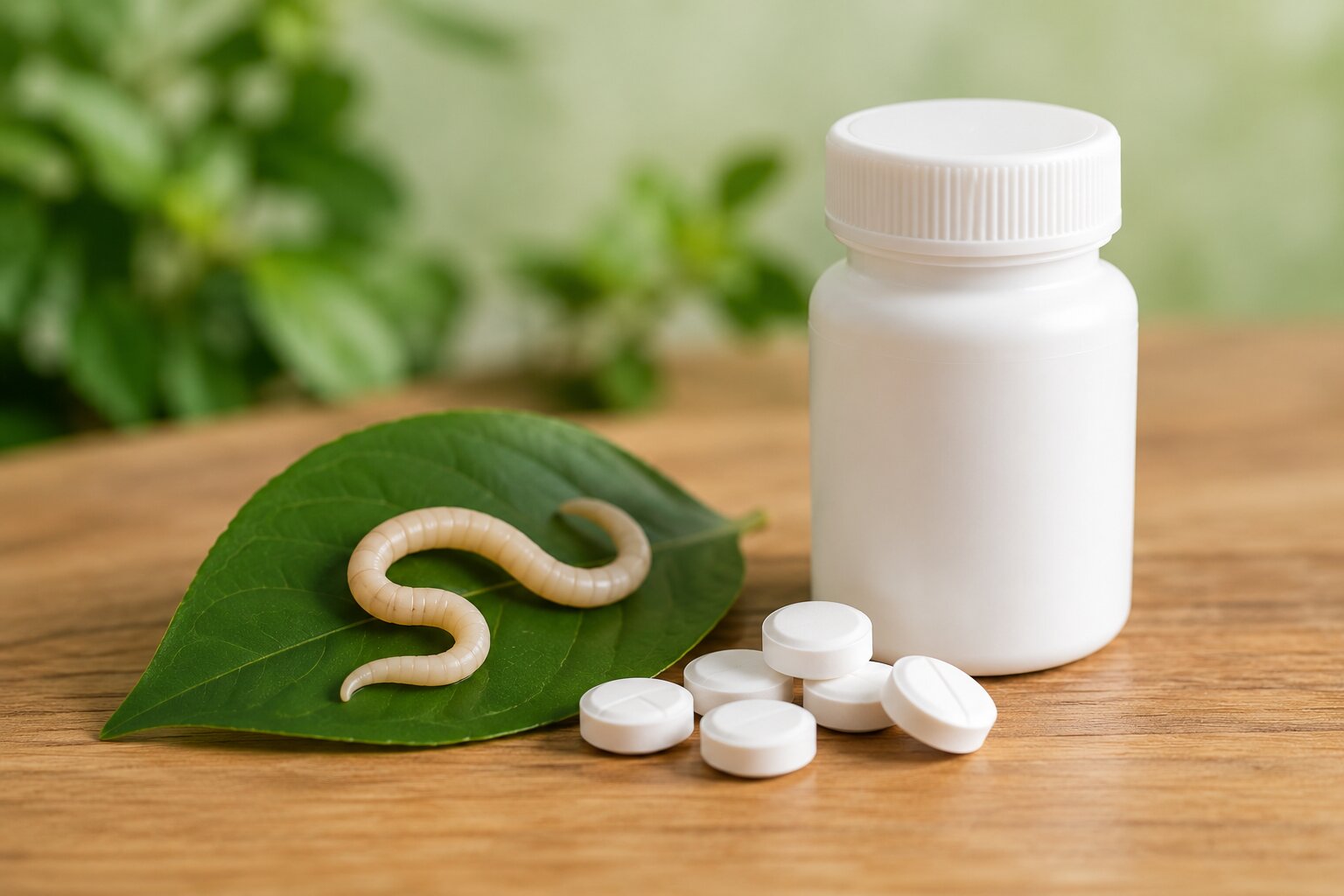
Parasitic worm infections are a common health problem affecting millions of people worldwide, especially in areas with poor sanitation and contaminated food or water. These infections can cause stomach pain, weakness, digestive issues, and nutritional deficiencies if left untreated. Fortunately, modern medicine offers effective treatments known as anthelmintic drugs or anti-worm medicines.
Many people search online for terms like anthelmintic drugs, anti-worm tablets, deworming medicine names, and the best medicine for worm infection to better understand these treatments. In this detailed guide, we’ll explain what anthelmintic medications are, how they work, common medicine names, benefits, side effects, and important safety precautions.
What Are Anthelmintic Drugs?
Anthelmintic drugs are medicines used to kill or remove parasitic worms from the human body. These parasites, commonly called worms, usually infect the intestines but may also affect other organs.
The term “anthelmintic” comes from:
- Anti = against
- Helminths = parasitic worms
These medicines are also commonly known as:
- Anti-worm medicines
- Deworming tablets
- Anti-parasitic drugs
Anthelmintic medications help eliminate different types of worms, including:
- Roundworms
- Tapeworms
- Hookworms
- Pinworms
- Whipworms
Doctors prescribe anti-worm medicines based on the type and severity of infection.
How Do Anthelmintic Drugs Work?
Anthelmintic drugs work in different ways depending on the medicine and parasite involved.
Some anti-worm medicines:
- Kill worms directly
- Paralyse worms so they can be removed naturally
- Prevent worms from absorbing nutrients
- Stop parasite growth and reproduction
Once the worms are weakened or killed, the body removes them through bowel movements.
Most modern anthelmintic drugs are highly effective and work within a few days.
Common Anthelmintic Medicine Names
Several anti-worm medicines are commonly prescribed worldwide.
1. Albendazole
One of the most widely used anti-worm medicines for treating roundworms, hookworms, pinworms, and tapeworms.
2. Mebendazole
Frequently prescribed for intestinal worm infections in adults and children.
3. Ivermectin
Used for certain parasitic infections, including strongyloidiasis and scabies.
4. Praziquantel
Commonly used to treat tapeworm and fluke infections.
5. Pyrantel Pamoate
Often used for pinworm infections.
6. Niclosamide
Used mainly for tapeworm infections.
These anthelmintic medicines may be available as tablets, chewable tablets, liquids, or suspensions.
Types of Worm Infections Treated by Anthelmintic Drugs
Anti-worm medicines are used to treat several parasitic infections.
Roundworm Infection
Roundworms are common intestinal parasites that may cause:
- Abdominal pain
- Nausea
- Weight loss
- Diarrhea
Albendazole and mebendazole are commonly prescribed treatments.
Pinworm Infection
Pinworms are highly contagious and common in children.
Symptoms Include:
- Anal itching
- Restless sleep
- Irritability
Doctors often recommend pyrantel pamoate or mebendazole.
Hookworm Infection
Hookworms attach to the intestinal wall and feed on blood.
Symptoms
- Weakness
- Fatigue
- Iron deficiency anaemia
Albendazole is commonly used to treat hookworm infections.
Tapeworm Infection
Tapeworms can grow large inside the intestines and absorb nutrients from food.
Common Symptoms
- Stomach discomfort
- Weight loss
- Digestive issues
Praziquantel and niclosamide are common treatments.
Whipworm Infection
Whipworms infect the large intestine and may cause:
- Diarrhea
- Abdominal cramps
- Rectal irritation
Mebendazole and albendazole are effective treatment options.
Benefits of Anthelmintic Medicines
Anthelmintic drugs provide several important health benefits.
1. Removes Harmful Parasites
The primary benefit is the safe, effective elimination of worms from the body.
2. Improves Digestive Health
Removing parasites helps relieve stomach pain, diarrhoea, and bloating.
3. Restores Nutrient Absorption
Worm infections can reduce nutrient absorption. Anti-worm medicines help restore healthy digestion.
4. Reduces Infection Spread
Treating infected individuals lowers the risk of spreading parasites to others.
5. Improves Energy Levels
Patients often feel more energetic after treatment because the body absorbs nutrients better.
6. Supports Child Growth
Regular deworming in children may improve growth, nutrition, and overall health.
Who Needs Anti-Worm Treatment?
Doctors may recommend anthelmintic medications for:
- Children with worm infections
- Adults with digestive symptoms
- People living in high-risk areas
- Travellers exposed to contaminated food or water
- Individuals with poor sanitation exposure
Some regions also run routine deworming programs for school children.
Symptoms of Worm Infection
People with worm infections may experience:
- Abdominal pain
- Bloating
- Nausea
- Vomiting
- Diarrhea
- Itching around the anus
- Fatigue
- Weight loss
- Loss of appetite
- Weakness
In severe cases, worms may cause anaemia or nutritional deficiencies.
If symptoms persist, medical evaluation is necessary.
Side Effects of Anthelmintic Drugs
Although most anti-worm medicines are considered safe, side effects may occur.
Common Side Effects
Nausea
Some people may feel mild stomach discomfort after taking medication.
Headache
Temporary headaches are possible.
Diarrhea
As worms are expelled, bowel changes may occur.
Dizziness
Certain medicines may cause mild dizziness.
Abdominal Pain
Temporary stomach cramps can happen during treatment.
Serious Side Effects
Seek immediate medical help if you experience:
- Severe allergic reactions
- Breathing difficulty
- Skin rash
- Swelling
- Persistent vomiting
- Severe dizziness
Serious reactions are rare but require prompt medical attention.
How to Take Anti-Worm Medicines Safely
To ensure safe and effective treatment:
Follow Prescribed Dosage
Never exceed the recommended dose.
Complete the Full Treatment
Even if symptoms improve, finish the medication course if advised.
Practice Good Hygiene
Wash your hands regularly to prevent reinfection.
Wash Bedding and Clothes
Especially important for pinworm infections.
Treat Family Members if Needed
Some infections spread easily within households.
Can Worm Infections Return?
Yes, reinfection is possible if hygiene and sanitation are poor.
To prevent future infections:
- Wash your hands before meals
- Drink clean water
- Cook food properly
- Keep nails clean
- Avoid walking barefoot in contaminated soil
Regular deworming may be recommended in some situations.
Anthelmintic Drugs for Children
Children are especially vulnerable to worm infections due to exposure during play and poor hand hygiene.
Benefits of Deworming Children
- Better nutrition
- Improved appetite
- Enhanced growth
- Better concentration and energy
Doctors carefully calculate dosage based on age and body weight.
Parents should never give anti-worm medicines without proper guidance.
Natural Remedies vs Prescription Anti-Worm Medicines
Some people try natural remedies like:
- Garlic
- Pumpkin seeds
- Papaya seeds
While these may support digestive health, prescription anthelmintic drugs are usually more reliable and scientifically proven for treating worm infections effectively.
Serious infections require medical treatment.
When to See a Doctor
Consult a healthcare provider if you notice:
- Persistent abdominal pain
- Blood in stool
- Severe diarrhea
- Weight loss
- Visible worms in stool
- Symptoms that return after treatment
Laboratory tests may be needed to identify the type of parasite.
Are Anthelmintic Drugs Safe for Long-Term Use?
Most anti-worm medicines are designed for short-term treatment. Long-term or repeated use should only occur under medical supervision.
Certain parasitic diseases may require extended treatment plans.
Importance of Deworming Programs
Many countries conduct public health deworming campaigns, especially for children in schools.
These programs help:
- Reduce parasite spread
- Improve child health
- Prevent malnutrition
- Enhance school attendance and development
Regular deworming plays an important role in improving global health.
Conclusion
Anthelmintic drugs are highly effective medicines used to treat parasitic worm infections in both adults and children. Common anti-worm medicine names include Albendazole, Mebendazole, Ivermectin, Praziquantel, and Pyrantel Pamoate.
These medicines help eliminate harmful worms, improve digestion, restore nutrient absorption, and support overall health. Although most anthelmintic medications are safe, they may cause mild side effects such as nausea, headache, or stomach discomfort.
Proper hygiene, clean food and water, and regular medical care are essential for preventing reinfection. By understanding how anti-worm medicines work and using them responsibly, individuals can protect themselves and their families from parasitic infections and maintain better long-term health.

Latest posts by Marie (see all)
- Semaglutide for PCOS: Can It Help with Weight Loss, Insulin Resistance & Irregular Periods? - October 17, 2026
- Semaglutide Side Effects: Common Symptoms, Serious Risks & Safety Tips - October 16, 2026
- How to control high cholesterol: self-care at home? - October 15, 2026


